By AsiaRoamer Editorial Team · Last checked
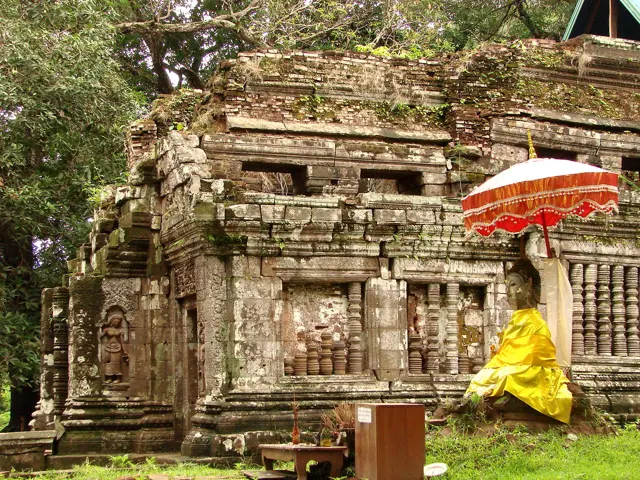
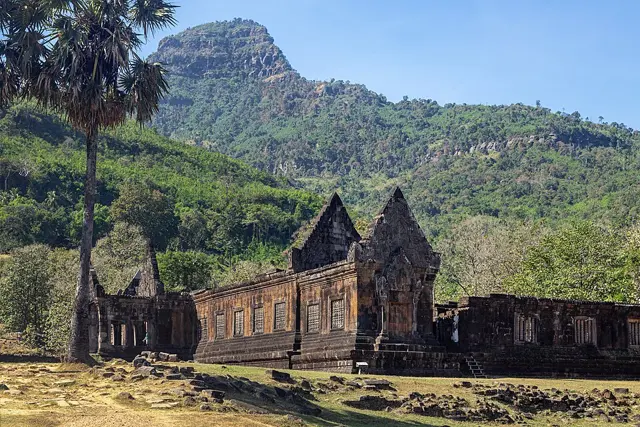
Vat Phou is the reason many people make the journey to southern Laos at all. A line of old stone sanctuaries climbs the foot of a mountain, with the peak of Phou Kao behind and the plain and the Mekong spread out below. If you have seen Angkor, the style will feel familiar, but the experience is entirely different: far fewer people, far less restoration and a stillness that is hard to find at the bigger Khmer sites. This guide helps you decide how to get there, what time to arrive, what to bring and whether a night in Champasak town is worth it.
If you have not chosen a base yet, start with our Pakse guide. To carry on to waterfalls or river islands, see Bolaven and the 4,000 Islands. Entry paperwork is in the visa and entry section. Tour prices depend on the date, so check them on the booking page.
We earn a commission if you book through our links. The price you pay does not change. How we choose
Vat Phou essentials: what to know in one minute
| Location | West bank of the Mekong in Champasak province, about 45 km south of Pakse |
|---|---|
| Status | UNESCO World Heritage Site, inscribed in 2001 |
| Management | Since 1 September 2026, run by the Champasak Provincial Department of Culture and Tourism. The site remains open to visitors |
| Best time | Be there soon after opening, before about 09:00, or come in late afternoon when the sun softens. Ask about closing time at the ticket office |
| Time needed | Two to three hours on site, or a full day with Hong Nang Sida and Champasak town |
| Admission | Payable in kip. Check the rate posted at the ticket office on the day, and ask whether the shuttle cart is included |
| What to wear | Cover shoulders and knees, and wear closed shoes with good grip for the uneven stone stairs |
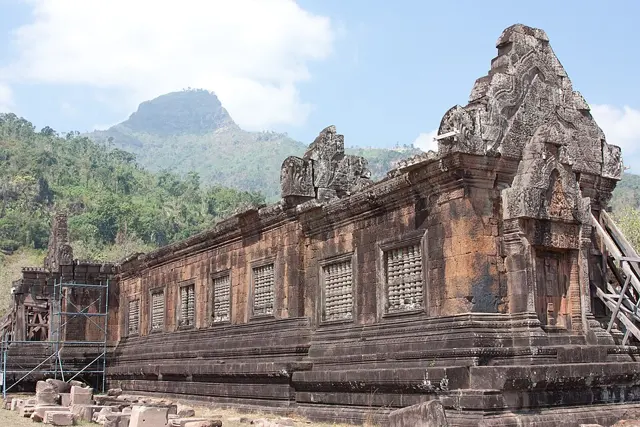
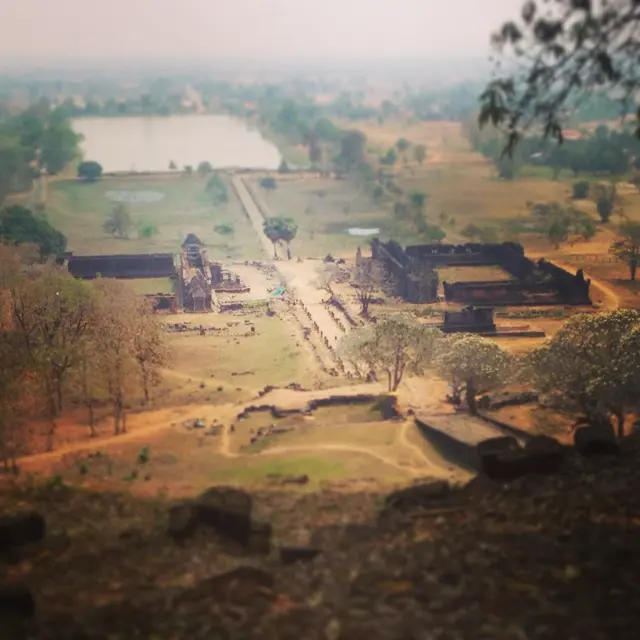
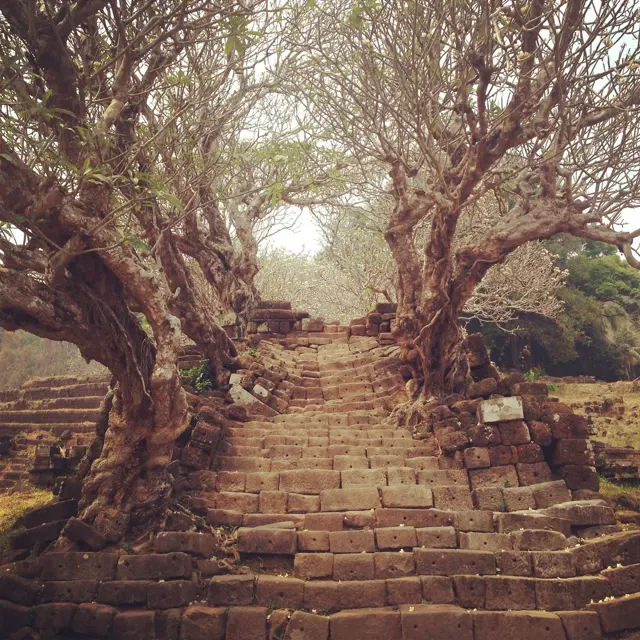
Vat Phou is not one building. It is a long axis that runs from the plain up to a terrace on the mountainside. The lower part is an easy walk. The upper part is a steep, irregular staircase of ancient stone. If you can manage it, you reach the main sanctuary and the best view in southern Laos. If you cannot, the lower levels and the museum still make the trip worthwhile.
| You are | We suggest | Why | Book |
|---|---|---|---|
| A first-timer who wants it easy | Full-day tour from Pakse | No vehicles or return times to sort out | |
| Serious about ancient sites | A tour including Hong Nang Sida | You see more than the main temple | Book on KKday |
| Curious about Mekong village life | Pakse to Champasak day | Adds the small town and local atmosphere | Book on KKday |
| Short on time, wanting variety | Temple and waterfall combination | Two very different landscapes in one outing | Book on Klook |
| Independent and happy to drive | Charter or rent a vehicle | You can be there at first light | How to get there |
Following the change of management, the Lao authorities said ticketing, the golf cart shuttle and central parking were continuing as normal. Fees can be revised, so carry enough kip and go by the rate displayed at the ticket office.
 KKday
Wat Phou World Heritage full-day tour from Pakse
Price Check latest price
Check the latest price on the booking pageThe straightforward choice if Vat Phou is your main goal and you would rather not arrange transport. Check the pickup time, pickup point and what the package covers.
This one adds waterfalls, so time at the temple may be shorter.
Why does it matter so much? The site was laid out to connect a sacred mountain, a spring and the river plain, and that planned landscape is what UNESCO recognised. You do not need to know the history to enjoy it, but standing on the top terrace and looking straight down the axis to the reservoirs makes the idea obvious in a way no description can.
How to get to Vat Phou from Pakse and Champasak town
There are several ways to make the trip. A tour or a chartered car is the most convenient, because you can arrive early and leave when you want. If you are not in a hurry and want to spend less, local songthaews run to Champasak town, and from there you can take a tuk-tuk or cycle to the temple.
| Method | Route | Best for | Good to know |
|---|---|---|---|
| Tour from Pakse | Pickup from your hotel or a meeting point, return the same day | First-time visitors | |
| Car with driver | Pakse to Vat Phou, stopping in Champasak on the way back | Families and groups | Agree waiting time and stops before leaving |
| Own car or motorbike | Road R14 on the west bank, about 40 km to Champasak town | Confident drivers | Leave early and return before dark |
| Songthaew | From Dao Heuang Market or the Southern Bus Station at km 8 | Budget travellers with time | Ask when the last one returns |
| Road, ferry and tuk-tuk | Ride to Ban Muang, cross by ferry, continue by tuk-tuk | Those who enjoy local routes | The ferry may stop when the river is high |
| Boat from Pakse | Arrange through a travel agency in Pakse | Anyone wanting a Mekong journey | Not a daily service, so ask well ahead |
From Champasak town to the temple
If you are staying in Champasak, Vat Phou is a short ride away by bicycle or chartered tuk-tuk, and most guesthouses will call one for you. The big advantage is getting there ahead of the vans from Pakse, while the air is cool and the site is almost empty. If you cycle, bring water and a hat, since the road has very little shade.
For dawn or early morning photographs, a night in Champasak beats a pre-dawn departure from Pakse, and you get a riverside sunset the evening before as a bonus.
If you are driving yourself, avoid being on the road after dark. Rural roads have livestock and unlit vehicles. In the rainy season, check road conditions and the ferry before setting out.
Wat Phou, Nang Sida ruins and Dao Heuang Market tour from Pakse
Price Check latest price
Check the latest price on the booking pageUseful if you would rather not arrange a vehicle and want Hong Nang Sida and Dao Heuang Market in the same day. Check the order of stops for your date.
See Vat Phou and Nang Sida tourHow to walk Vat Phou without wearing yourself out
It helps to think of the visit in three stages: the lower area with the reservoirs and processional way, the middle level with the two large quadrangular halls, and the upper level reached by the stone stairs. At a relaxed pace with photo stops, allow two to three hours.
- Start at the ticket office and museum. If it is open, look at the carvings first, as they make everything you see on the hill easier to read.
- Take the golf cart or walk past the reservoirs to the main causeway. Ask whether the cart is included in that day's ticket.
- Follow the causeway lined with stone posts to the northern and southern quadrangles.
- Climb the stone stairs in sections, resting on the landings. Do not rush, because the steps vary in height.
- At the top terrace, see the main sanctuary and its carved lintels, then turn around for the view over the plain and the Mekong.
- Take the descent more slowly than the climb, and steady yourself on the rock, especially if the ground is wet.
What not to miss
- The view from the top terrace straight down the axis of the site, the defining image of Vat Phou.
- The carved lintels and pediments on the main sanctuary.
- The northern quadrangle, a favourite subject in early morning light.
- Phou Kao behind the temple, the mountain that explains why the site was built here.
Who should take extra care
Older travellers, anyone with knee trouble and parents with small children should think honestly about the upper section. The old stairs do not have a handrail all the way and some steps are very high. If that sounds like too much, the lower levels, the quadrangles and the museum are still rewarding. Do not force the climb at midday or just after rain, when the stone turns slick.
Behaving well at the site
- Do not climb or sit on carved stones.
- Do not touch the reliefs or move loose fragments.
- Dress modestly, since parts of the site are still used for worship by local people.
- Take your rubbish with you, and ask staff before flying a drone rather than assuming it is allowed.
Bring at least a litre of water each, a hat, sunscreen and a light scarf for your shoulders. There is little shade on site, and March to May can be fiercely hot.
Light is the other thing worth planning around. The site faces east, so morning sun falls on the facades and on the long view down the axis. By midday the light is flat and harsh, and the climb is at its least pleasant. If you can only come in the afternoon, wait until the heat starts to drop and confirm the closing time when you buy your ticket.
Hong Nang Sida and nearby sites: is it worth adding?
Hong Nang Sida is another ancient structure within the same World Heritage landscape, and the Lao authorities confirmed it remains open after the handover. It is far quieter than Vat Phou, so it appeals to people who love ruins and want a fuller picture of the area. If you are short of time or travelling with young children, you can happily skip it.
| Question | Answer | Book |
|---|---|---|
| Should I go to Hong Nang Sida? | Yes, if you enjoy ancient sites and have a full day | Book on KKday |
| Can I go independently? | Yes, with a vehicle or a charter. Ask your driver about the track first, especially in the rains | Charter from Champasak |
| Do I need a separate ticket? | Ask at the Vat Phou ticket office whether your ticket covers it | Ask at the ticket office |
Unexploded ordnance is still a risk in rural Laos. When visiting anywhere away from the main road, stick to paths that are clearly in use, do not wander into forest or fields, and never pick up metal objects.
The Vat Phou museum
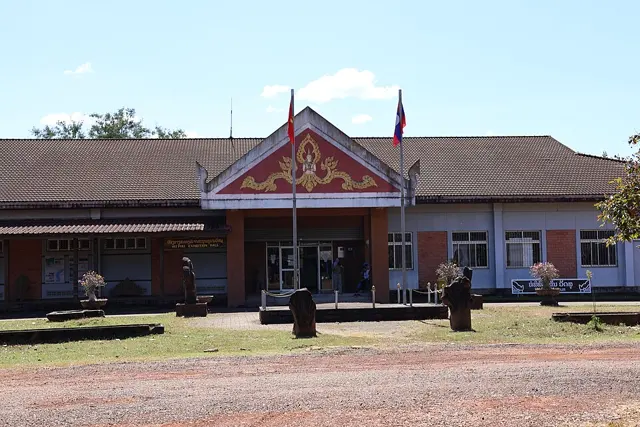
The museum near the entrance holds carved pieces and artefacts found in the area. It does not take long, but it gives the climb more meaning and offers welcome shade. Visit before it closes, which tends to be earlier than the archaeological site itself. Ask for the time at the ticket office.
Champasak town: should you stay, and what is there to do?
Champasak is a small town strung along a single road beside the Mekong, with wooden houses, faded colonial-era buildings and a handful of guesthouses. Travellers who like quiet often prefer it to Pakse. If you want a wide choice of restaurants or easy transport to several different routes, Pakse remains more practical.
| Comparison | Stay in Pakse | Stay in Champasak |
|---|---|---|
| Early morning at Vat Phou | Needs a very early start | Close by, so you beat the tour vans |
| Reaching Bolaven and Khone Phapheng | Easier | Further |
| Restaurants and rentals | Plenty of choice | Few, and they close early |
| Evening atmosphere | Busy small city | Quiet, riverside, lovely sunsets |
| Best for | Multi-route trips | Vat Phou and a proper rest |
Things to do in Champasak
- Cycle the riverside road in the cool of the evening.
- Eat at a waterfront restaurant as the sun goes down.
- Wander past the wooden houses and small village temples.
- Rise early and reach Vat Phou ahead of the larger groups.
Don Daeng island
Don Daeng sits in the Mekong opposite Champasak town, with villages, rice fields and quiet cycling tracks. It suits people with a spare day. Crossings are arranged with local boatmen or through your guesthouse. Agree the return time clearly and wear a life jacket, particularly when the river is high.
Pakse to Champasak Mekong heritage and local life day
Price Check latest price
Check the latest price on the booking pageA good match if you are as interested in life along the Mekong as in the ruins. Read the stops before booking, since they may vary by date.
See Champasak dayIf you plan to sleep here, compare options on where to stay in Pakse and Champasak. Book further ahead than usual around the Vat Phou Festival.
One thing to plan for is money. Champasak has far fewer services than Pakse, so arrive with enough kip for your room, meals, bicycle hire and entry fees. Restaurants tend to wind down early as well, so do not leave dinner too late, and bring a torch for the walk back along the unlit stretches of road.
Tour or independent: compare before you pay
There is no single right answer here, because it comes down to group size and how comfortable you are with travel logistics. Solo travellers and couples who do not want to think about vehicles will usually find a tour easiest. A group of four gets more flexibility from one chartered car, with a departure time of your choosing and as long as you like in Champasak. Confident motorbike riders get the most freedom but take on the road risk themselves.
| Consideration | Tour | Chartered car | On your own |
|---|---|---|---|
| Ease | Easiest, everything is arranged | Easy, but you agree the route | You plan each leg |
| Arrival at the temple | Fixed by the tour | Can be first thing | Entirely your choice |
| Explanation of the site | A guide, if the package has one | Drivers rarely explain | Read up beforehand |
| Best for | First-timers and short stays | Families and groups of three or four | People at ease on Lao roads |
| Ask first | Pickup, time on site, whether admission is included | Whether waiting time is included, return time | Licence, helmet, vehicle condition |
Questions to ask before booking a tour
- Is Vat Phou admission included, or do I pay at the gate?
- How long do we get on site, and is it enough to reach the upper terrace?
- Is pickup from my hotel or a meeting point, and when do we get back to Pakse?
- What language does the guide speak?
- If heavy rain or a ferry stoppage affects the day, how are changes or refunds handled?
Cash to carry
Even with a tour booked, keep some kip on you for admission if it is not included, drinking water, lunch, souvenirs and short rides in Champasak. Small shops and rural ticket counters are usually cash only. Sort out your money in Pakse, because options in Champasak are far more limited.
What to pack for Vat Phou
- At least one litre of water per person, as there are no shops along the climb.
- A wide-brimmed hat, sunglasses and sunscreen.
- Closed shoes with non-slip soles rather than sandals.
- A scarf or light layer for covering shoulders at places of worship.
- Kip in both large and small notes.
- A light rain jacket between May and October.
- Any regular medication, and travel-sickness tablets if you will be in a vehicle for hours.
Travelling as a family? Decide in advance who will go up to the top terrace and who will wait below, and agree a meeting point and time, because phone signal on site may be weaker than in town.
Wat Phou World Heritage full-day tour from Pakse
Price Check latest price
Check the latest price on the booking pageIf convenience wins, a full-day tour removes the work of finding a vehicle and a way back. Check that the time on site allows for the climb to the upper terrace.
An alternative that adds Hong Nang Sida and Dao Heuang Market.
Vat Phou itineraries: half day, full day and overnight
Half day from Pakse
- Leave Pakse around 06:30 to 07:00.
- Reach Vat Phou, buy your ticket and start climbing before the sun gets strong.
- Come back down and visit the museum.
- Have lunch in Champasak town and return to Pakse.
Full day
- Morning: Vat Phou.
- Late morning: Hong Nang Sida, if access is straightforward.
- Midday: a long lunch by the Mekong in Champasak town.
- Afternoon: stroll the town, or stop at Dao Heuang Market on the way back.
- Evening: return to Pakse before dark.
One night in Champasak
- First afternoon: arrive in Champasak, check in and cycle along the river.
- Evening: dinner with a sunset view.
- Next morning: reach Vat Phou as the ticket office opens.
- Late morning: return to your guesthouse, freshen up and head back to Pakse or on to the islands.
If you plan to continue to the 4,000 Islands after Vat Phou, leave a night in Pakse or Champasak between the two. Doing both in one day means many hours on the road and reaching the islands after dark.
Wat Phou World Heritage full-day tour from Pakse
Price Check latest price
Check the latest price on the booking pageChoose this if Vat Phou is the main goal of your day.
See Vat Phou tourPakse waterfalls and Wat Phou southern Laos tour
Price Check latest price
Check the latest price on the booking pageChoose this to combine the temple with waterfalls in one trip.
See southern Laos tourPakse to Champasak Mekong heritage and local life day
Price Check latest price
Check the latest price on the booking pageChoose this to add the atmosphere of a Mekong town.
See Champasak dayThe Vat Phou Festival
The annual festival takes place around February and follows the lunar calendar, drawing people from across Laos. It is a joyful time to be here, but rooms, vehicles and even the pathways are far busier than usual. If you want the site in peace, avoid it. If you want to see the celebration, confirm that year's date with the Champasak tourism office and secure a room first.
Frequently asked questions
How much is the entrance fee to Vat Phou?
You pay in kip. Fees can be revised after the change of management on 1 September 2026, so go by the rate displayed at the ticket office on the day and carry enough cash.
What time does Vat Phou open?
It opens daily during daytime hours. Times may be adjusted under the new management, so ask your guesthouse or the ticket office before planning a very early or late visit.
How far is Vat Phou from Pakse?
About 45 km. By private vehicle it usually takes around an hour, so a same-day return is easy.
Is the climb at Vat Phou difficult?
The lower area is easy. The upper section is a steep, uneven stone staircase. Most people manage it by going slowly and resting, but avoid midday and wet conditions.
Is there a shuttle at Vat Phou?
Yes, a golf cart shuttle operates within the site, and the Lao authorities said it was continuing after the handover. Ask when buying your ticket whether it is included.
What is the best time of day to visit?
Early morning is best, with cooler air and fewer people. Late afternoon also works if you confirm the closing time first.
Should I stay in Pakse or Champasak?
Stay in Pakse if you plan several routes. Stay in Champasak if you want to reach the temple early and enjoy a quiet riverside town.
Can children or older travellers visit?
Yes, though many will prefer to stay on the lower levels, the quadrangles and the museum. Anyone with bad knees should not force the upper stairs.
What should I wear?
Cover your shoulders and knees and wear closed shoes with good grip. Bring a hat and plenty of water.
When is the Vat Phou Festival?
Around February, following the lunar calendar, so the date changes every year. Confirm with the Champasak tourism office before booking a room.
Where the facts come from
- Vat Phou Champassak: Hours and admission
- Vat Phou Champassak: Access
- Lao News Agency: Vat Phou management, 4 Sep 2026
- Lao Tourism: Champasak Province
- Lao Tourism: Champasak visitors, 9 Feb 2026
- UK FCDO: Laos travel advice
- UK FCDO: Laos safety and security
- Embassy of India, Vientiane: LDIF advisory, 13 May 2026
Keep planning
 VientianeTemples, Buddha Park and the riverside market, with half-day and full-day tours
 Vang ViengHow long to stay, viewpoints, balloons, Tham Chang and getting from the station
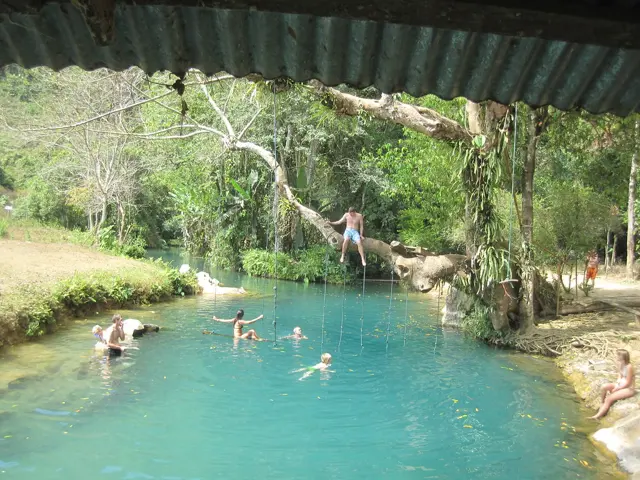 Vang Vieng AdventuresChoose the right lagoon, kayak, cave tubing and zipline day for your group
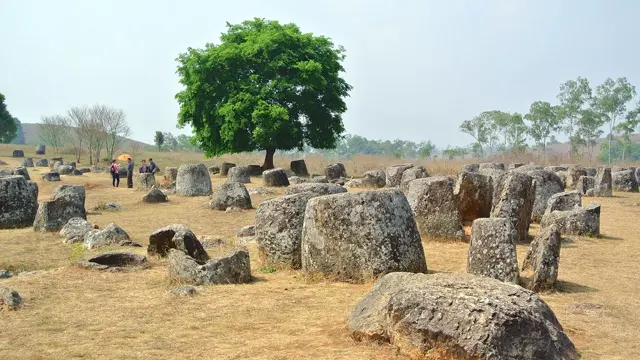 Plain of JarsHow to get there, which tour to book, and staying on cleared paths
 Laos trip plannerCompare Vientiane, Vang Vieng, Luang Prabang and Pakse before booking a night
 Laos in 7 daysA rail week from Vientiane to Luang Prabang, with southern and rainy-day options
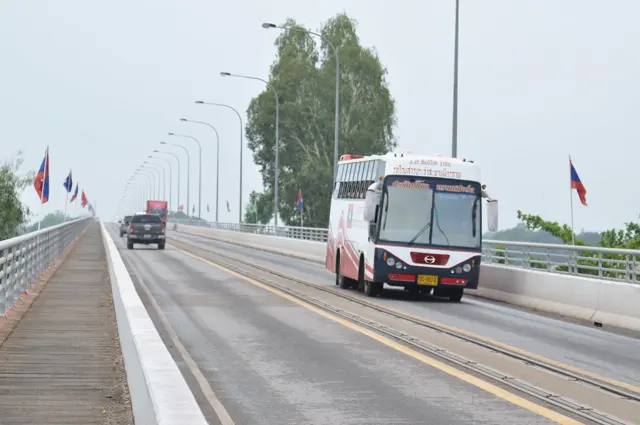 Thailand to LaosCompare borders, trains, buses and flights, plus entry rules for each crossingLaos-China RailwayHow to buy tickets, current fares, stations and the Khamsavath transfer
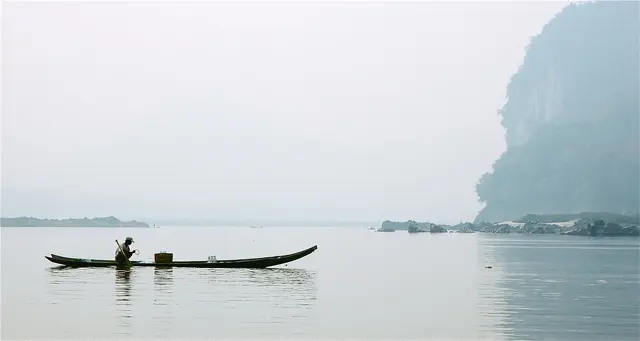 Luang PrabangHow many days, where to base yourself and how to arrive smoothly
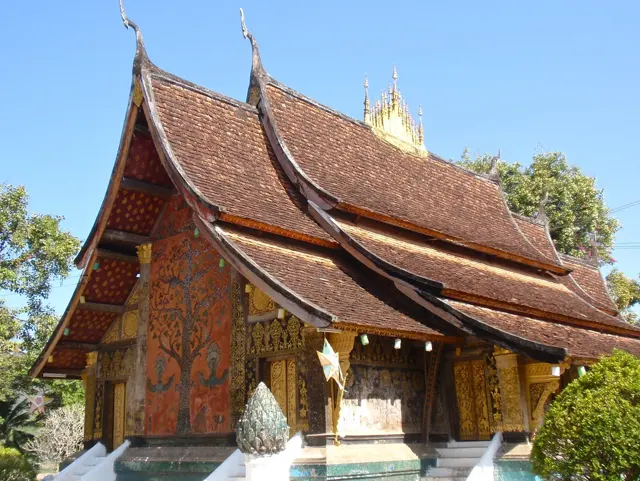
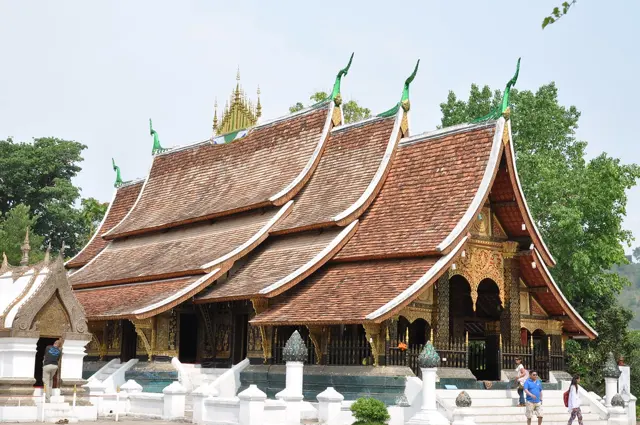 Luang Prabang TemplesNew entry fees, opening hours and a walking order for one day
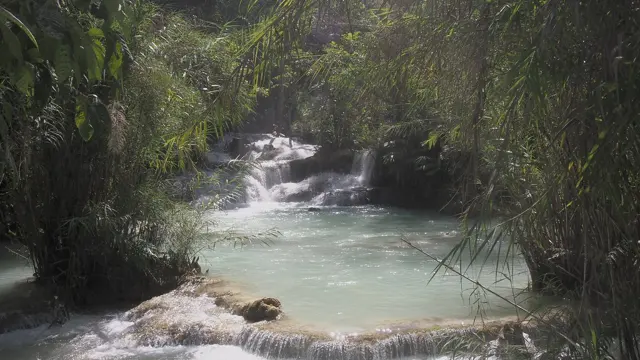
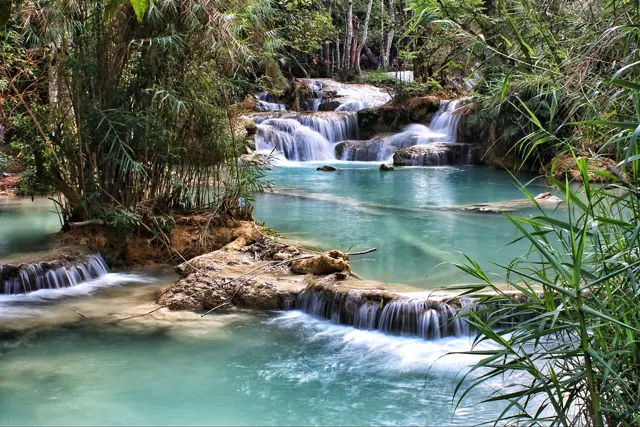 Luang Prabang Day TripsChoose Kuang Si, Pak Ou or Tad Sae and the best way there
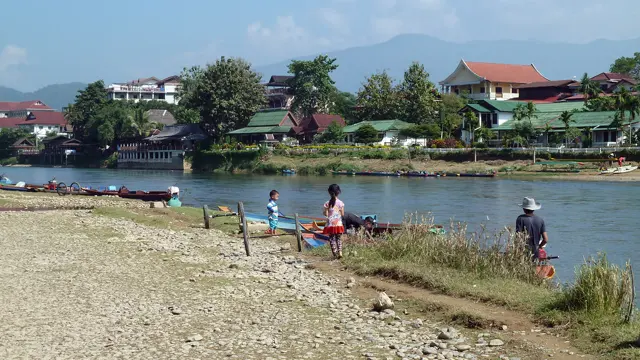 Where to Stay in LaosPick the right area in Vientiane, Luang Prabang, Vang Vieng and Pakse
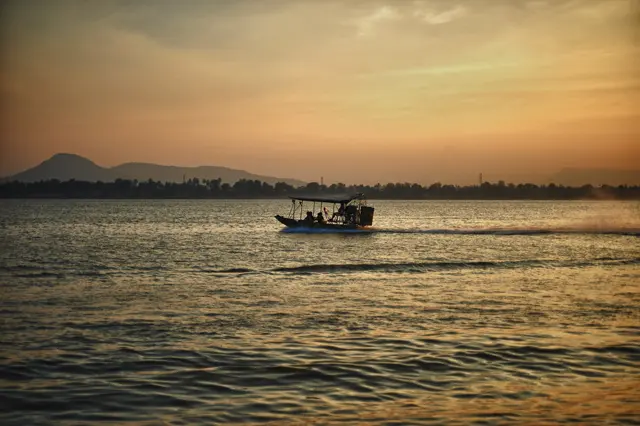 PakseThe base for southern Laos: where to stay, routes and day trips
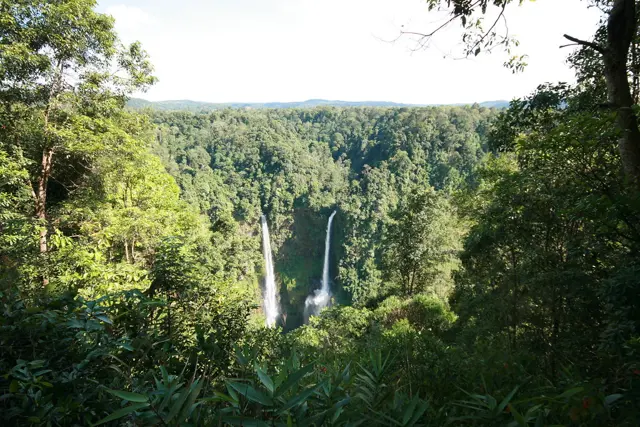 Bolaven and 4,000 IslandsWaterfalls, coffee farms, Mekong islands and how to route them
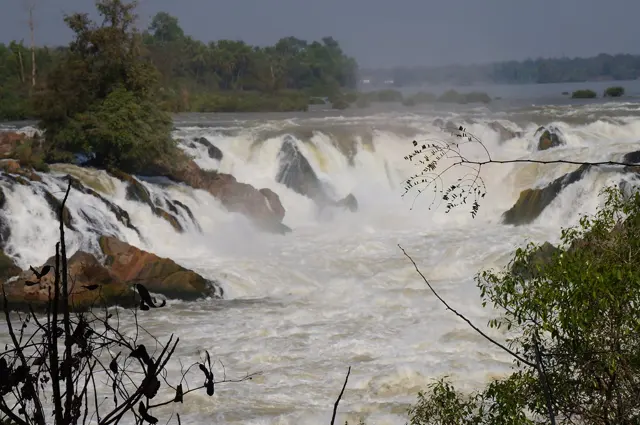 Laos dealsTours, transport, rail and eSIMs sorted by the decision you face