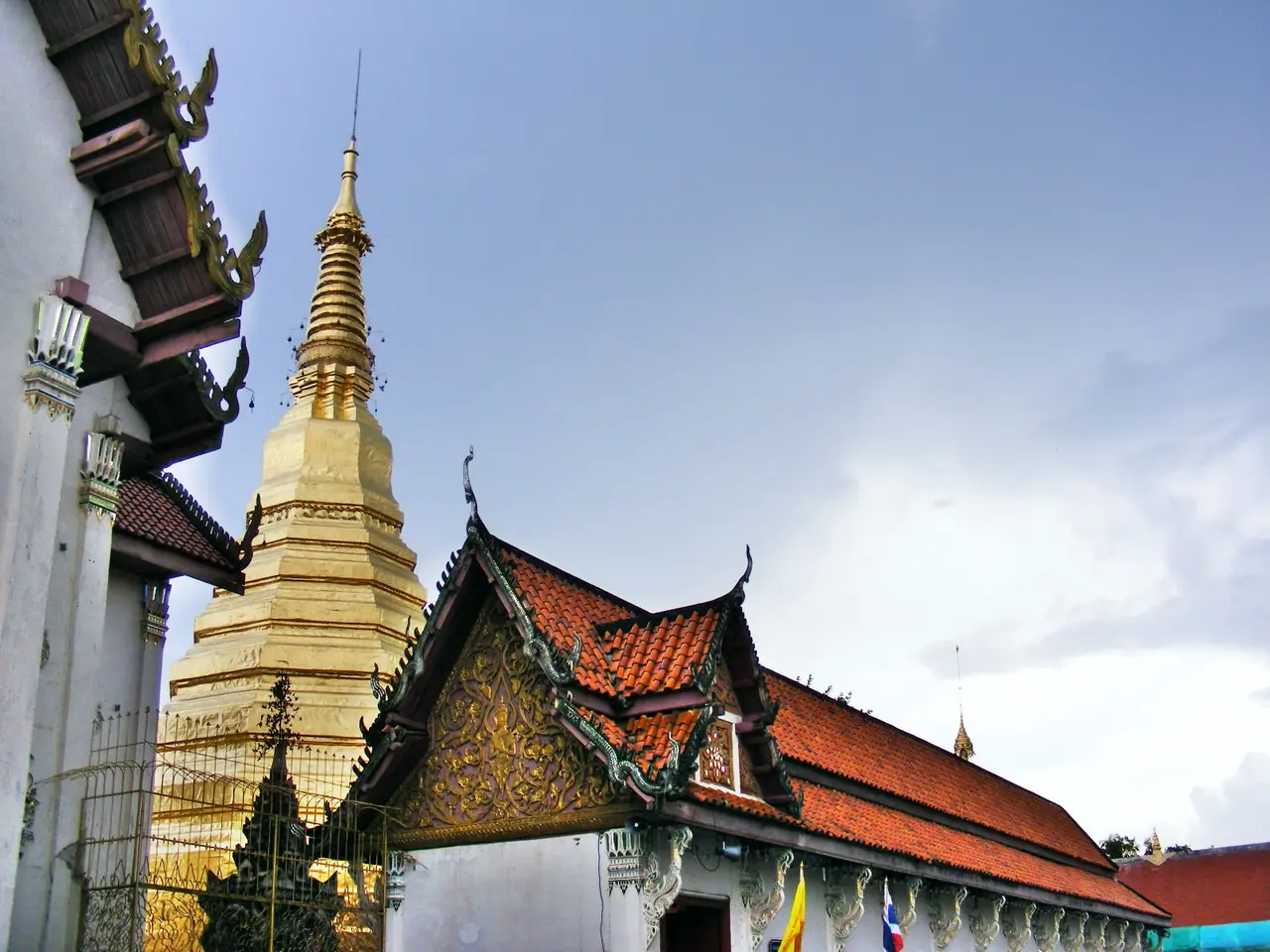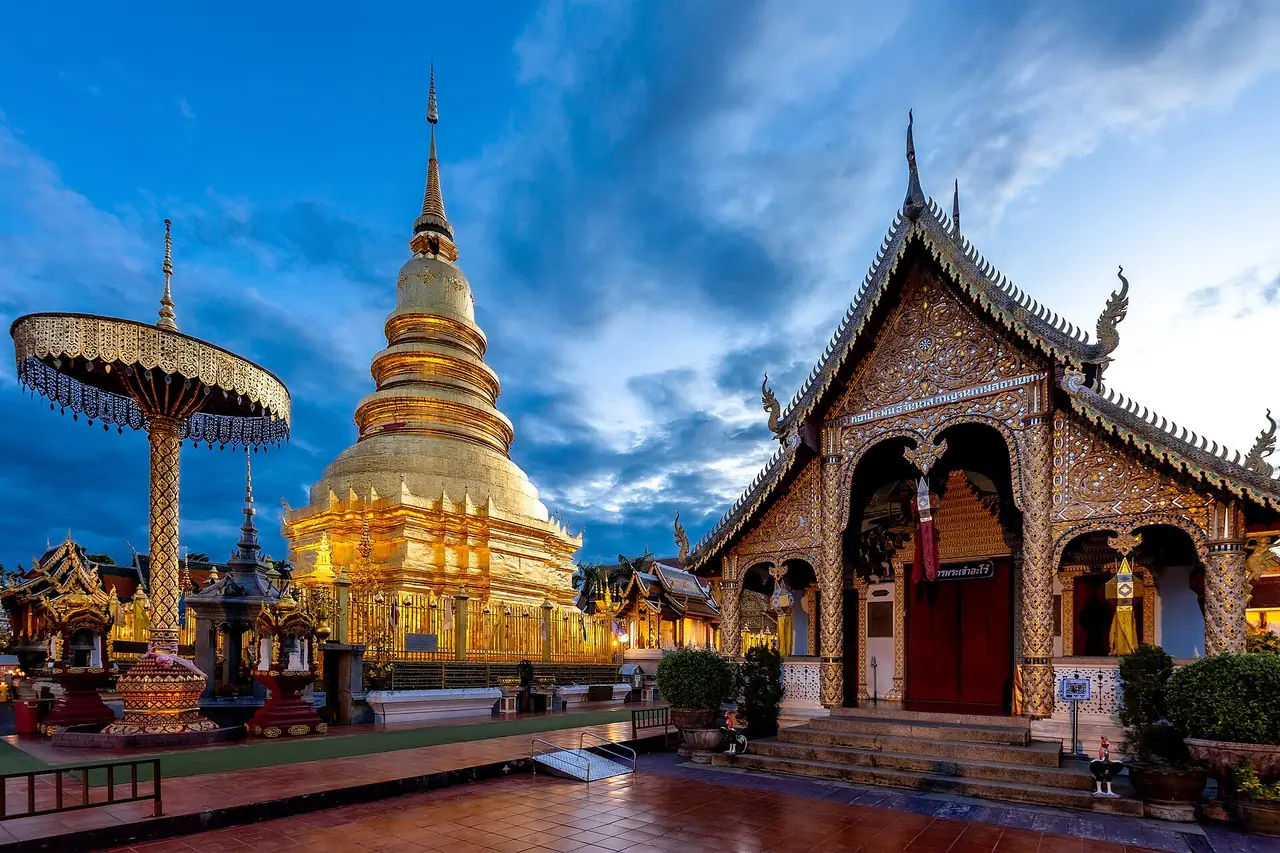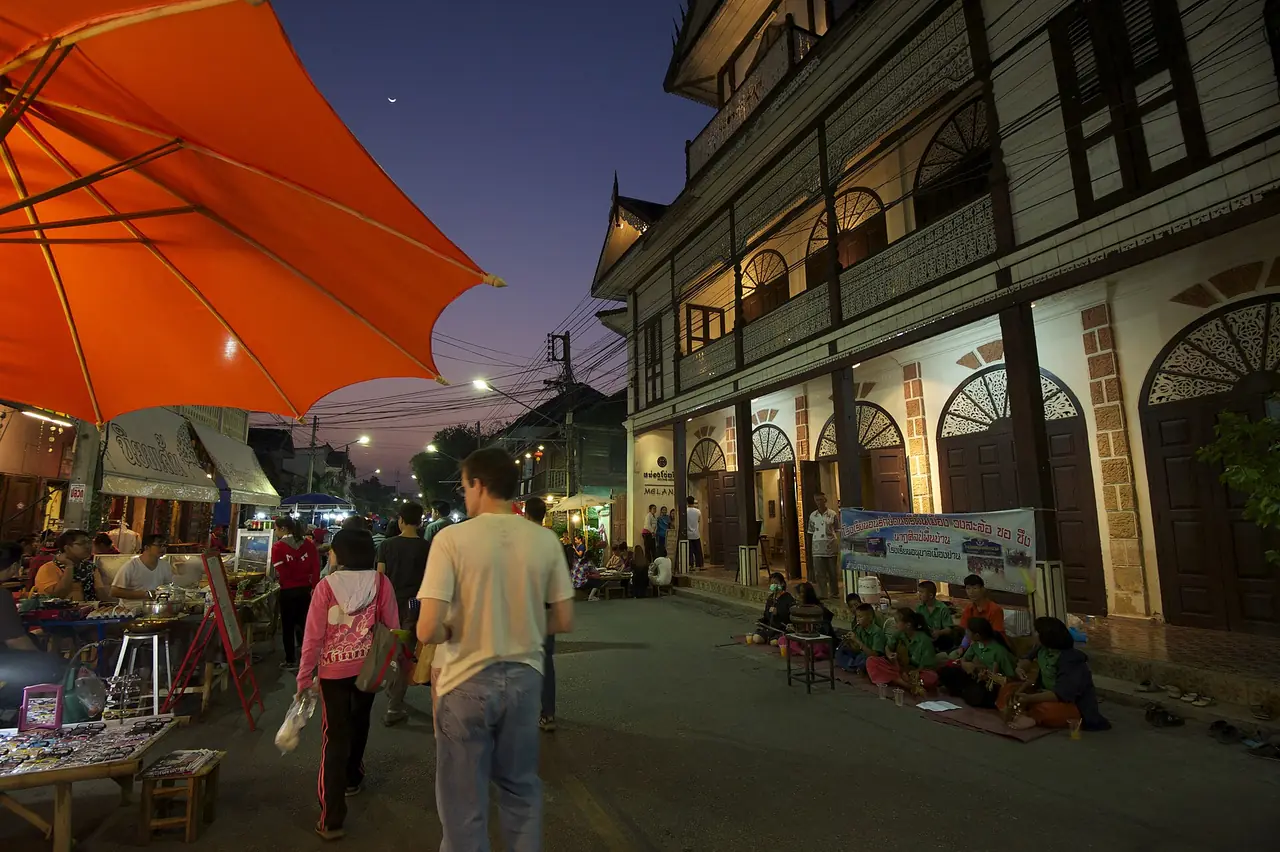
Lampang is a small city on the Wang River in upper northern Thailand, known for its horse carriages, its teak houses and one of the most admired temples in the north. TAT's newsroom guide calls it a city of unique sites, notes that it was home for some years to the Emerald Buddha now in the Grand Palace in Bangkok, and says it is one of very few places in the country where visitors can tour on horse carts. Most people arrive by train, bus or car, or fly to the small airport, and a night or two is enough to see the old town and the main temple.
This guide uses only facts we checked against the sources listed at the foot of the page on 16 October 2026, and it says plainly where sources disagree or where we could not confirm something such as opening hours and entry fees. If you are choosing a hotel, read our where to stay in Lampang page, or the Thai version, ที่พักลำปาง.
What Lampang is like
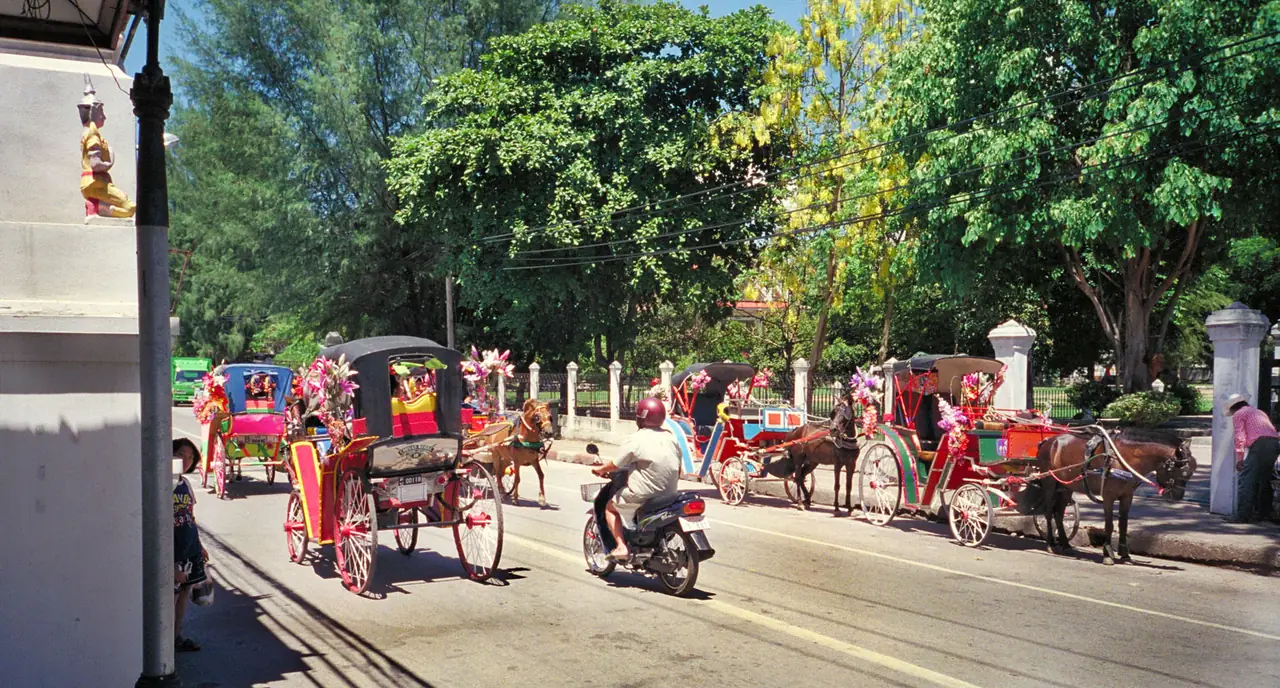
TAT says Lampang was first inhabited in the Dvaravati period in the 7th century, was built as a walled rectangle beside the Wang River, and has been continuously inhabited since. In the late 1800s and early 1900s it was a centre of the teak trade, and workers in the industry founded some of the Shan- and Burmese-style temples in the region. Wikipedia adds that nine of the 31 remaining Burmese-style temples in Thailand are in Lampang, and that the horse-drawn carriage, introduced in 1916, is one of the city's best-known symbols.
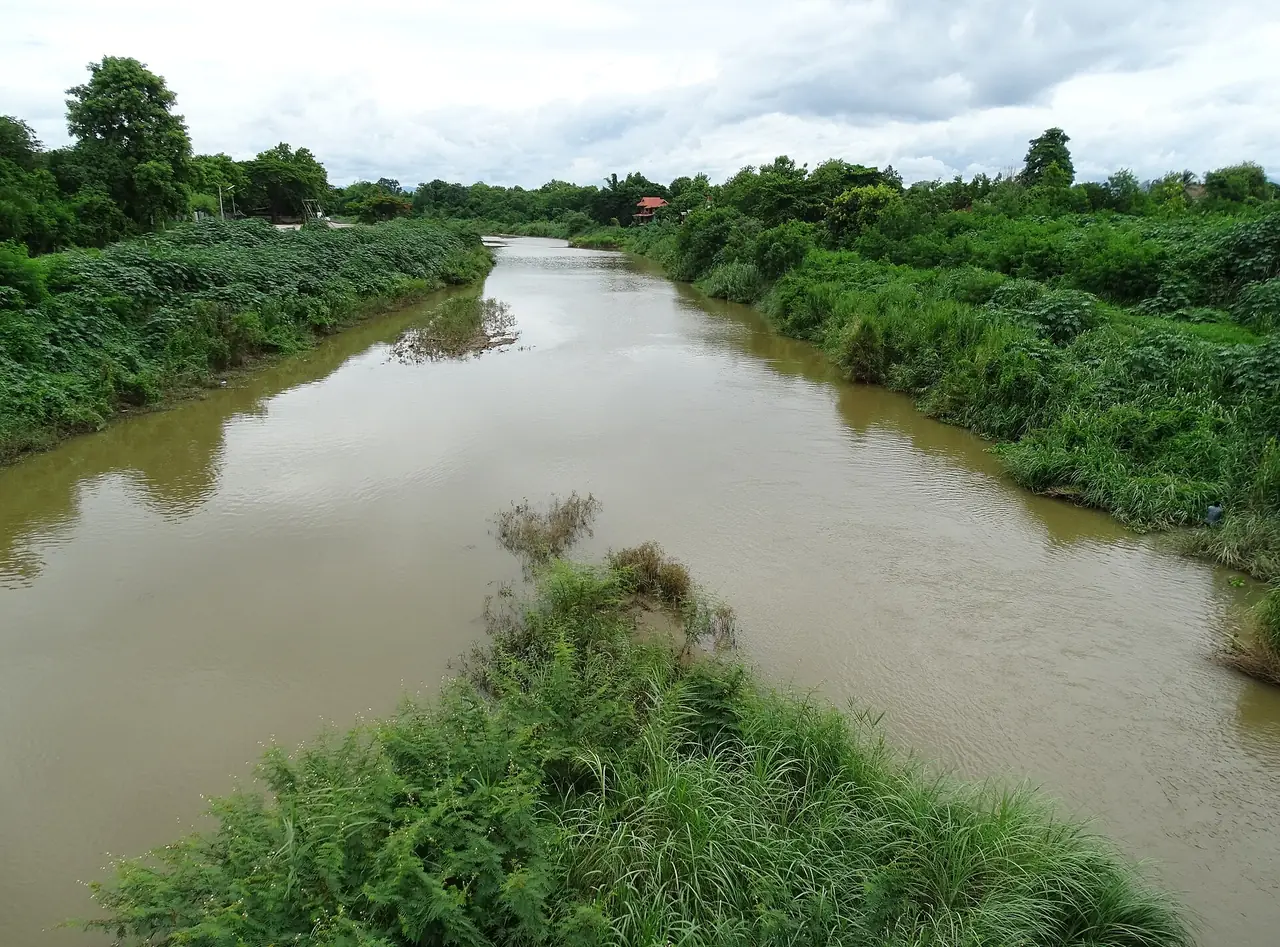
The feel today is of a working provincial town rather than a resort. Wikipedia describes the city as lying mainly on the south side of the Wang River, with the old parts originally built on the north side and the modern downtown now spread along Boonyawat and Phaholyothin roads. That split matters when you choose a hotel: the old streets, the river and the market are compact enough to walk, while the modern centre, the bus station and most larger hotels are a short ride away. Lampang is also a ceramics town, since Wikipedia notes a large kaolin deposit used in the industry, and TAT suggests the Dhanabadee Ceramic Museum for the story of the rooster bowl.
Getting to Lampang
TAT says Lampang is a little more than 600 km north of Bangkok and can be reached by air, train, bus or car. It also says the town works well as a single stop by train or bus from Chiang Mai, or as one stage of a five- to seven-day road trip through Lamphun, Lampang, Phrae and Nan.
| From | By | What the sources say |
|---|---|---|
| Bangkok, one ticket | Bus, train or flight on the 12Go route page | When we opened the page in a real browser on 16 October 2026 it listed 20 companies, including Nakhonchai Air, Thai Railway, Thai AirAsia, Bangkok Busline, Cherdchai Tour North, Sritawong Tour and Viriya Tour, with 70 departures a day, a distance of 764 km, the earliest at 7:20 AM and the latest at 10:47 PM |
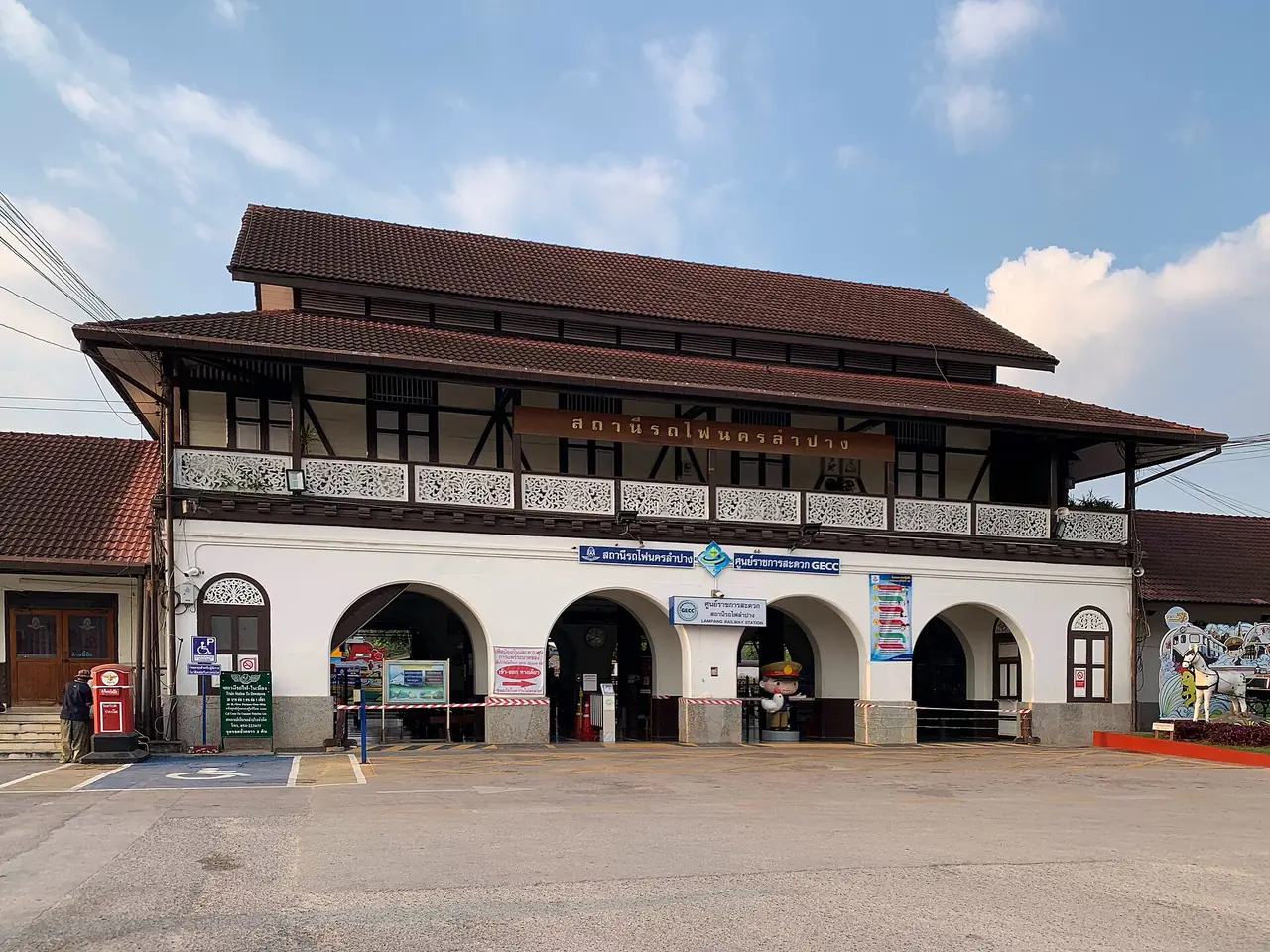
| Bangkok, train | Nakhon Lampang station | Wikipedia says the Chiang Mai-bound train takes approximately 10 hours; Wikivoyage says 10 to 12 hours |
| Bangkok, flight | Don Mueang to Lampang Airport | A hotel site says the direct flight takes around 1 hour 10 minutes; see the airlines note below |
| Chiang Mai | Bus, train or car | Wikipedia says the bus takes roughly 1.5 hours; a hotel site says the drive is roughly 90 minutes under normal conditions |
| Around town | Horse carriage or taxi | TAT recommends horse carts for the old town, but suggests using them only around town |
We show no fares. 12Go and the operators change prices daily, and we did not copy any route price from the page.
Where the sources disagree
| Topic | What we found |
|---|---|
| Distance from Bangkok | TAT says a little more than 600 km north of Bangkok, while the 12Go page showed 764 km. We could not confirm which basis each uses, so read 764 km as the route distance 12Go quotes |
| Train time | 10 hours (Wikipedia, figure not dated) against 10 to 12 hours (Wikivoyage) |
| Airlines to Lampang | A 2026 hotel site recommends AirAsia from Don Mueang; an independent airport guide says Nok Air flies from Don Mueang and Bangkok Airways from Suvarnabhumi; TAT's 2019 article names Nok Air and Bangkok Airways. Check airline schedules before you plan a flight |
Several of these facts come from older articles. TAT's guide is dated 2019 and Wikipedia's airline details date from 2015, so confirm train, bus and flight times on the day you book.
Booking the trip
The Bangkok to Lampang page on 12Go is where we send readers to compare operators, and some links on this site may earn us a commission, which does not change the price you see. We do not copy 12Go prices into our pages because they change every day. Check the departure point, the arrival time and the operator before you pay, and if you plan to continue north, read how to get around Thailand for the train and flight basics.
The seasons
Wikipedia describes Lampang as relatively dry compared with nearby provinces. "Winter" starts after the last rains, typically in November, and lasts until March, with dry, sunny, quite pleasant days and cool nights. Summer typically runs from March to June and the temperature could soar to 40 to 43 degrees Celsius in April. The rainy season runs from June to November, with significant rain possible in May too. Wikipedia's climate section is flagged as unsourced, so treat these as broad guidance and check the forecast for your dates, or read our guide to Thailand's best time by region.
Wikipedia also says the blue winter sky is often marred by burning of the fields after the harvest. If you are sensitive to smoke, check the air quality before a winter trip and ask your hotel about air-conditioning.
Wikivoyage lists two April events in the city: the Lampang Trains and Horse Carriages Day at the railway station at the start of April, and the Salung Luang procession and Songkran festival from 12 to 14 April. Dates can change, so confirm with the city before you plan around them. Read Songkran 2027 in Thailand for the national picture.
What to see by area
The old town and the river
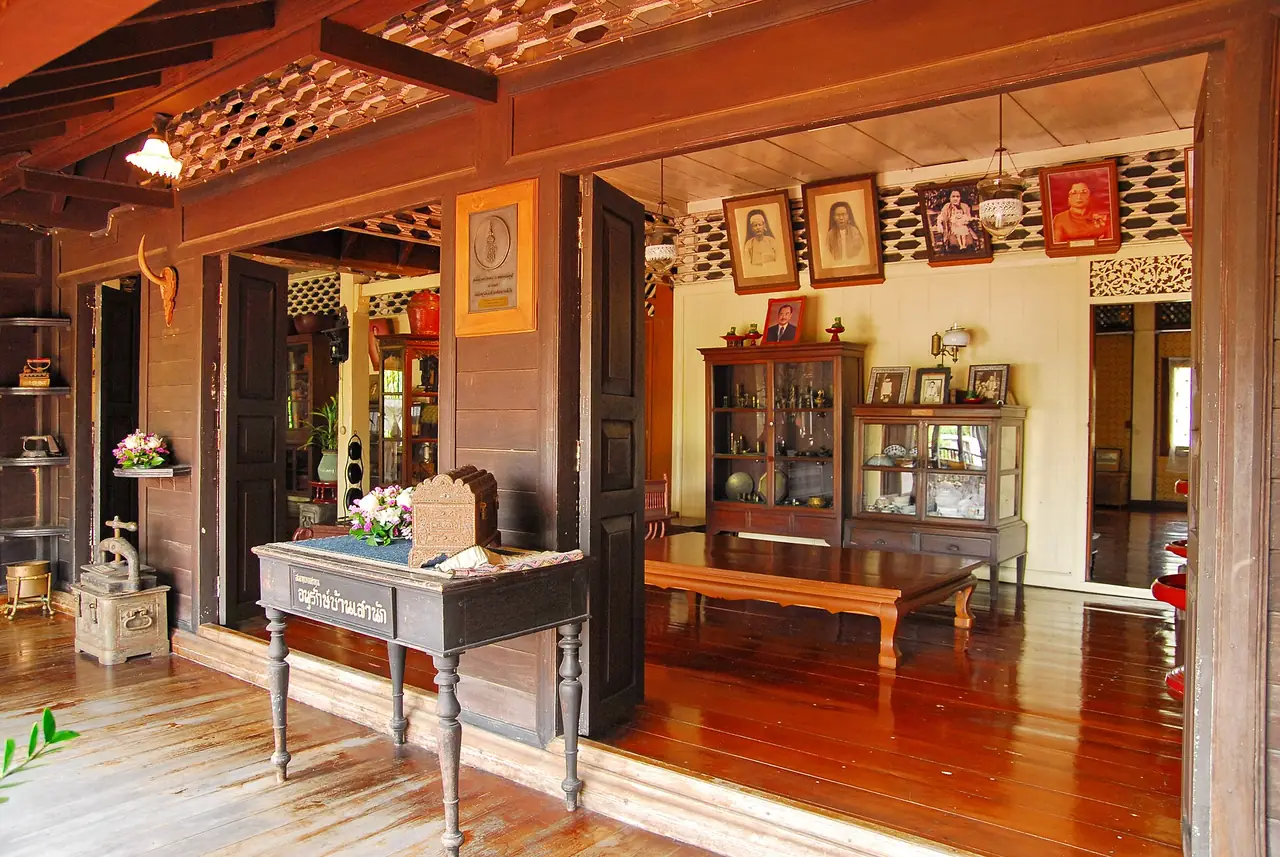
TAT recommends seeing the old town by open-air horse carriage or on foot. Stops it names include the 100-plus-year-old teak City Pillar Shrine, the buildings and grounds of Ban Sao Nak, and the Ratchadaphisek Bridge, which TAT says was the longest bridge in Thailand when first built over the Wang River in 1894 and was rebuilt several times, with the current version finished in 1917. TAT says the first train arrived at Nakhon Lampang Railway Station on 1 April 1916, and calls the station a rare, well-preserved blend of Lanna and European styles. It also points to the former residence of Louis T. Leonowens near the bridge.
Wikivoyage describes the old market street, Thanon Talat Kao, with its Kad Kong Ta street market, as lined with buildings that mix European, Chinese and Burmese architecture. We could not verify the market days or hours, so ask your hotel or check locally. Wikipedia says Wat Phra Kaeo Don Tao, on the west bank of the Wang River, is said to have housed the Emerald Buddha between 1436 and 1468, and TAT adds that its Lanna Museum is worth a visit for the Lanna artefacts.
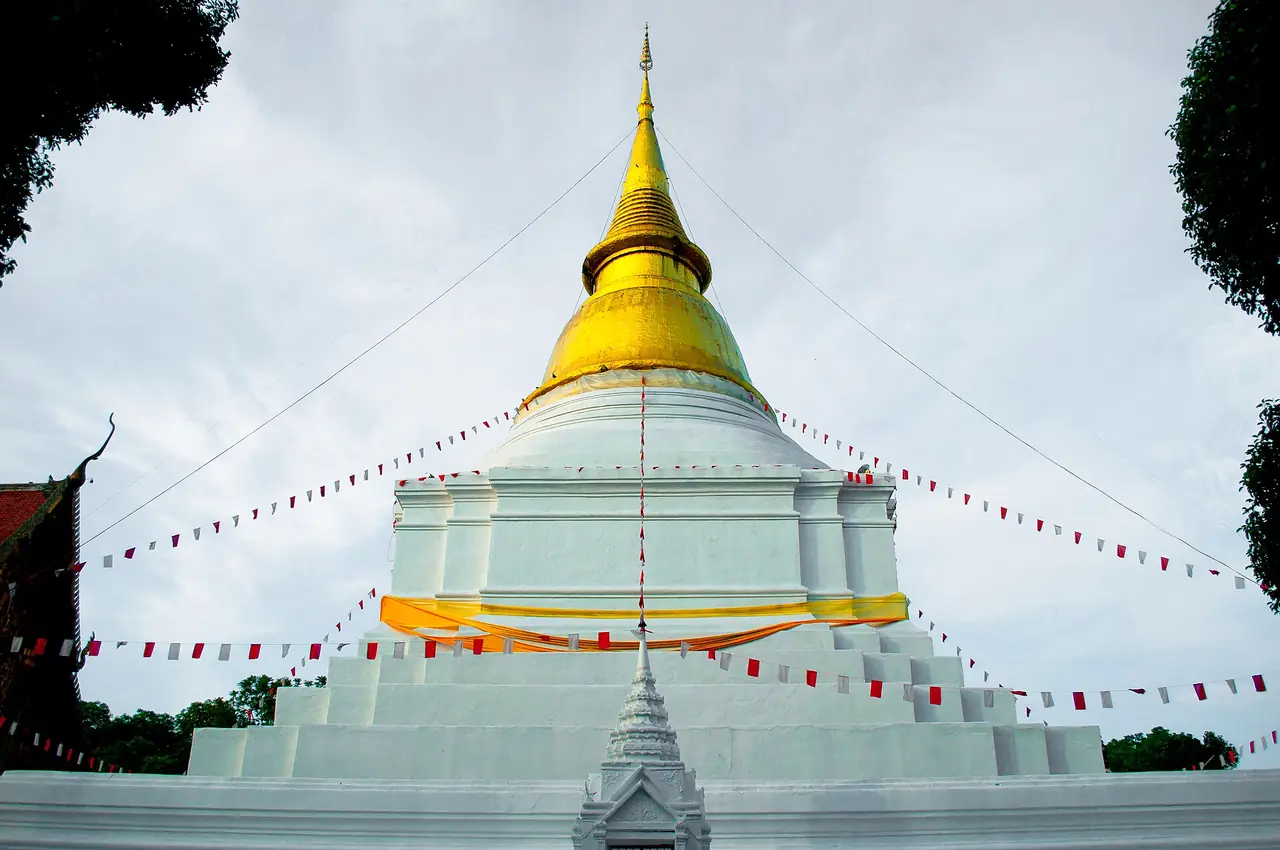
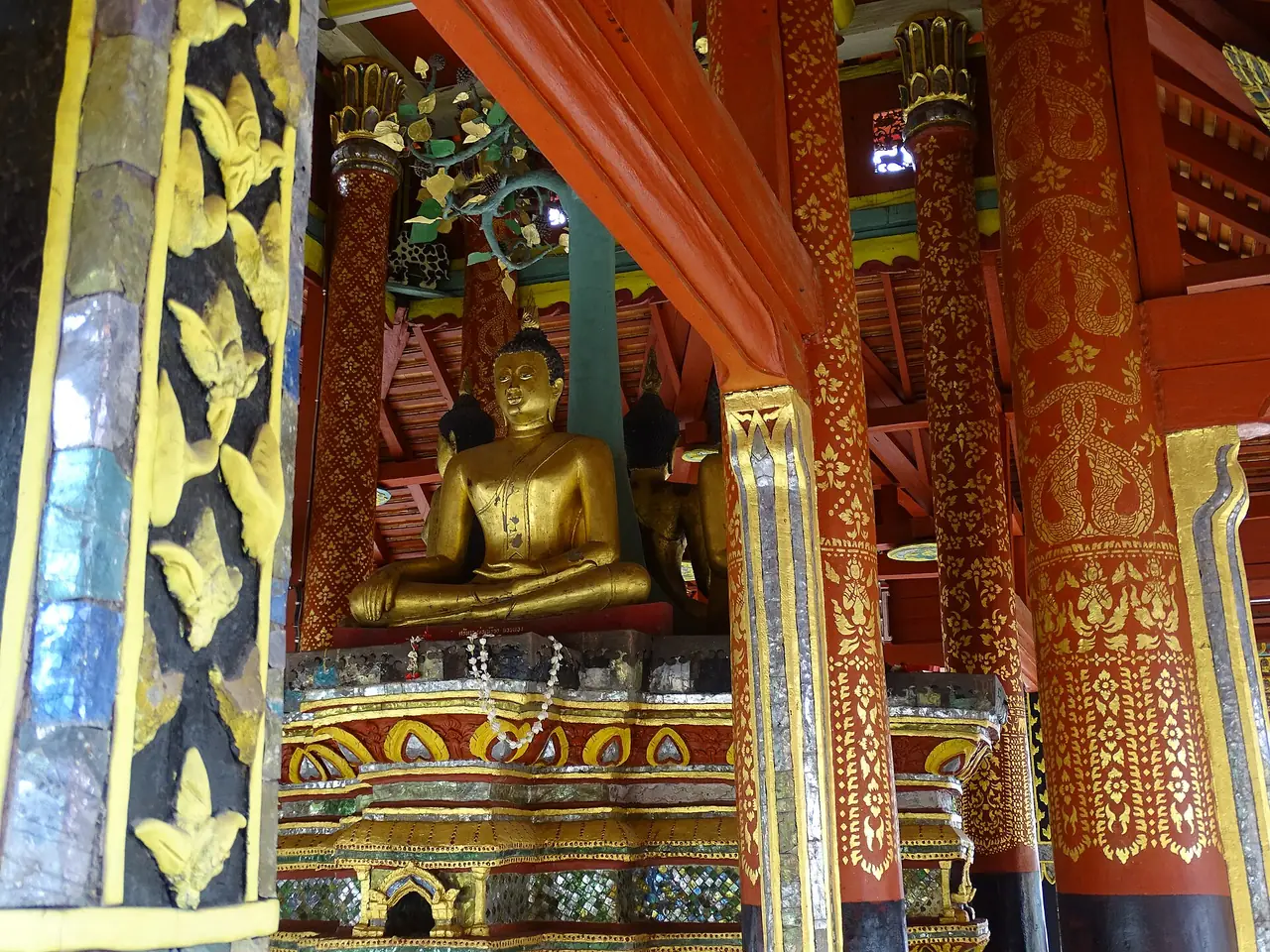
Wat Phrathat Lampang Luang
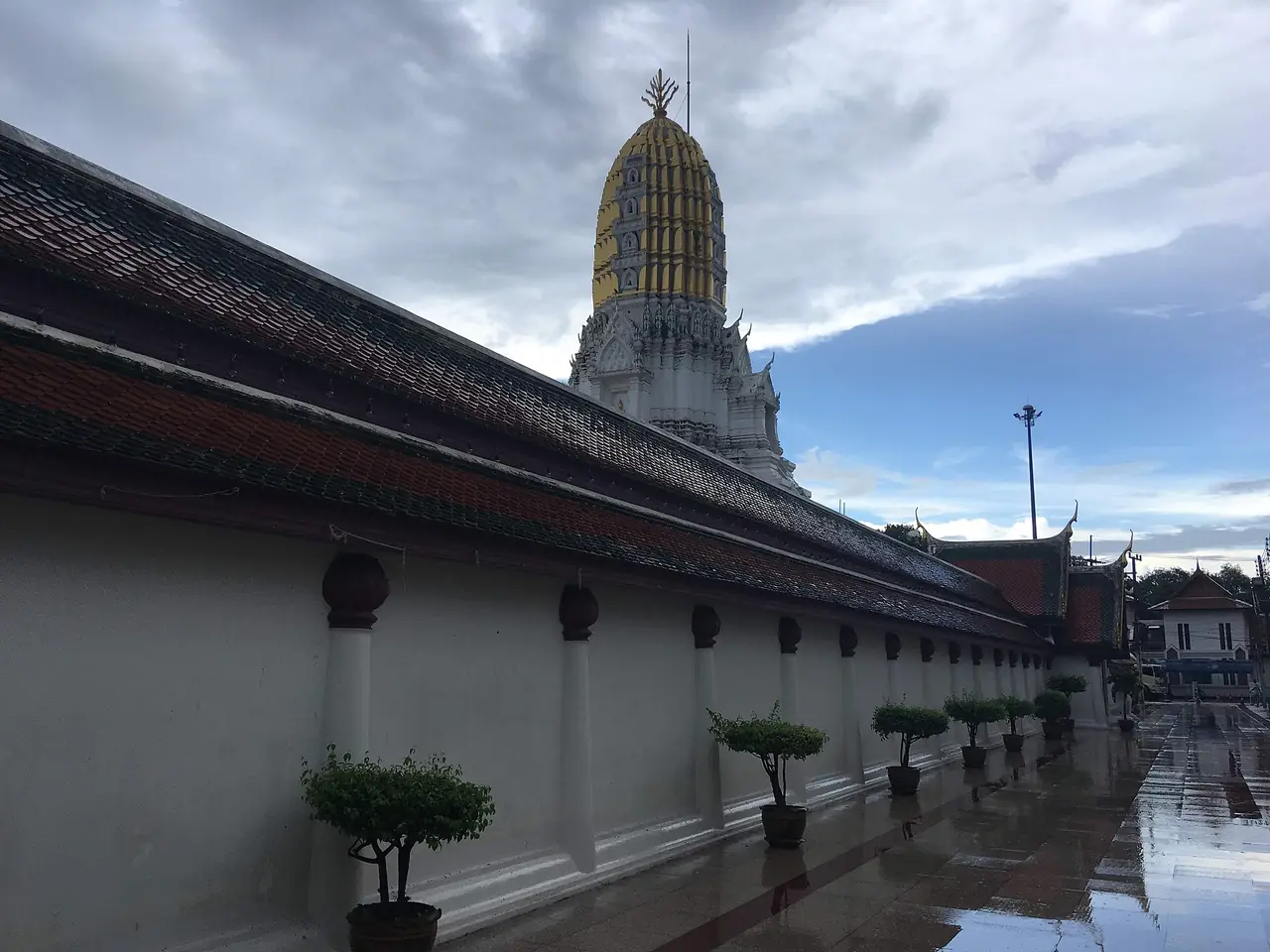
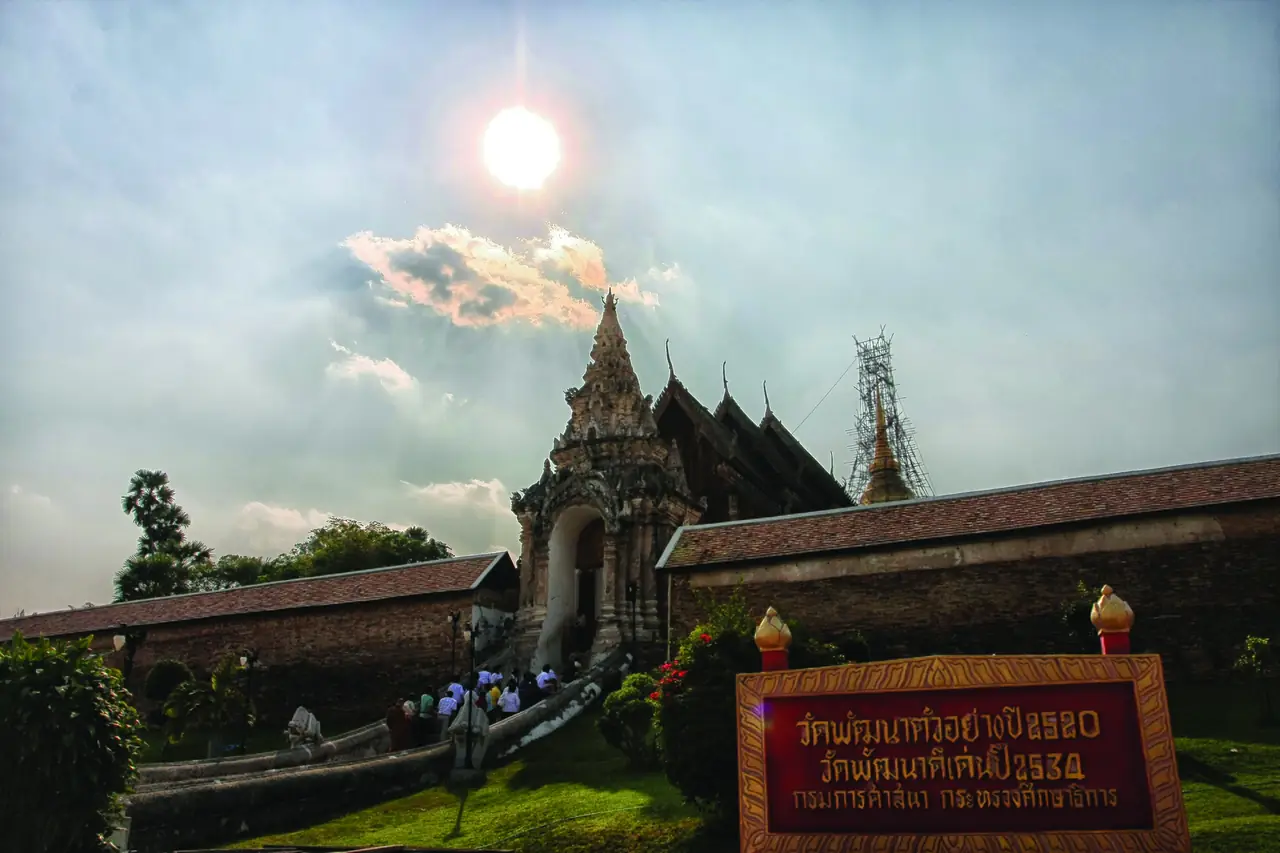
TAT calls Wat Phrathat Lampang Luang perhaps the north's most remarkable temple and puts it about 18 km south-west of town. It describes a three-tier open-sided teak wihan luang that, with many of the buildings in the grounds, dates from the 1400s and is considered by many to be Thailand's oldest teak building, and it recommends the jataka murals. Wikipedia places the temple in Ko Kha district and says the city seal shows a white rooster in the temple's gate. We could not check opening hours or entry fees, so look for current notices before you go, and read our temple etiquette guide for what to wear.
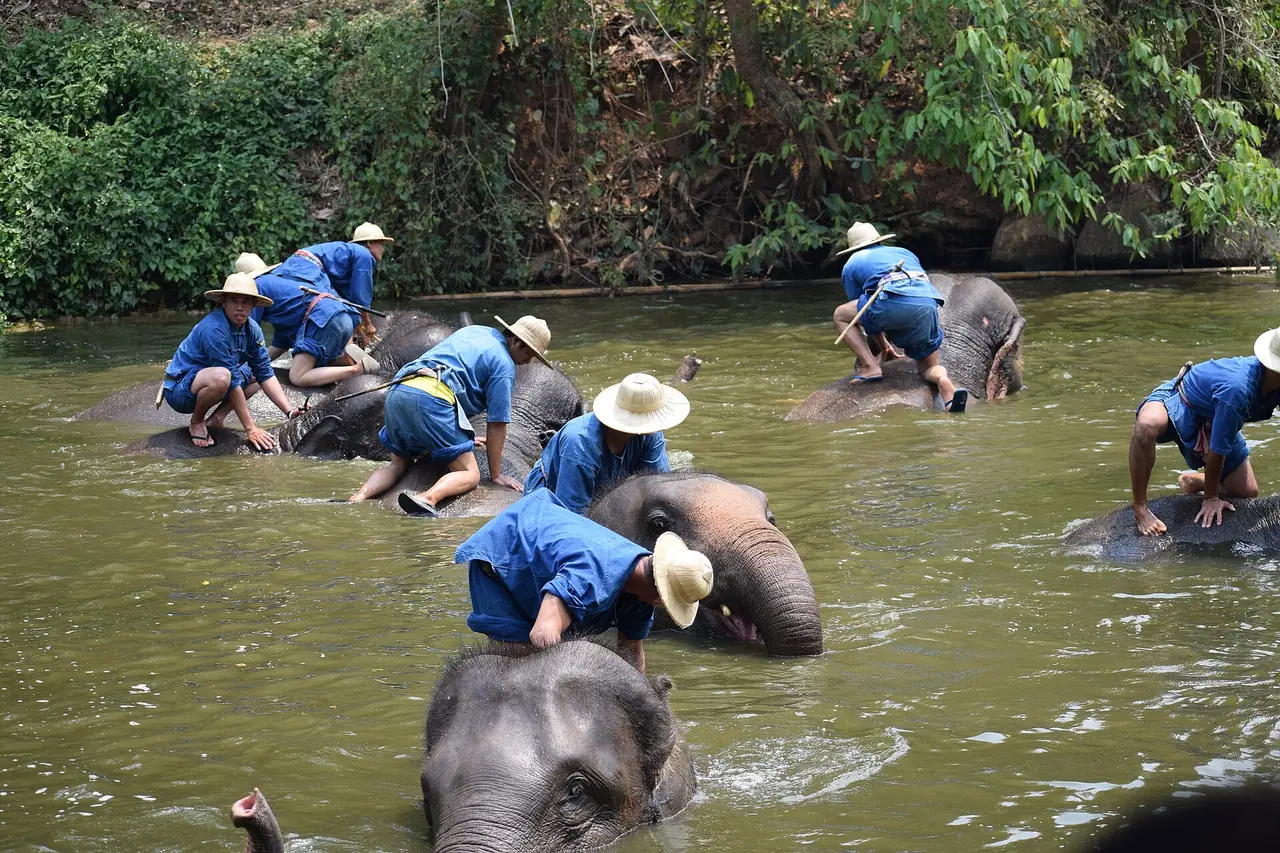
Thai Elephant Conservation Centre
TAT says the centre aims to conserve Thai elephants and promote ecotourism, including caring for sick and injured animals, and that visitors can watch demonstrations, river bathing and feeding. To get there, TAT says to go to the 37-kilometre marker north-west of town on the road to Chiang Mai, then walk or drive the final two kilometres. The centre's official site lists elephant educational demonstrations, bathing and other programmes. We could not verify admission prices or show times, so check the official site. If animal welfare matters to your choice, our guide to ethical elephant visits explains what to look for.
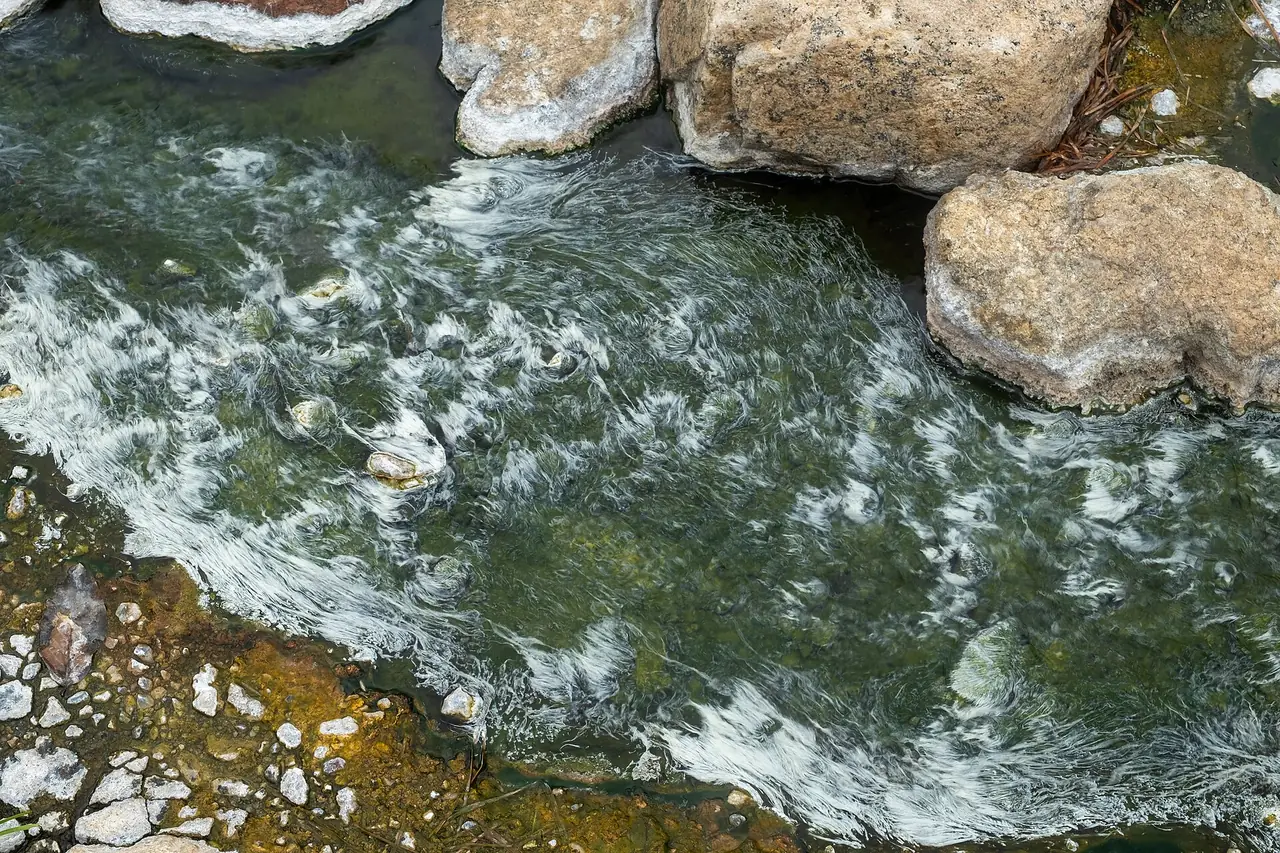
Chae Son National Park and the hot springs
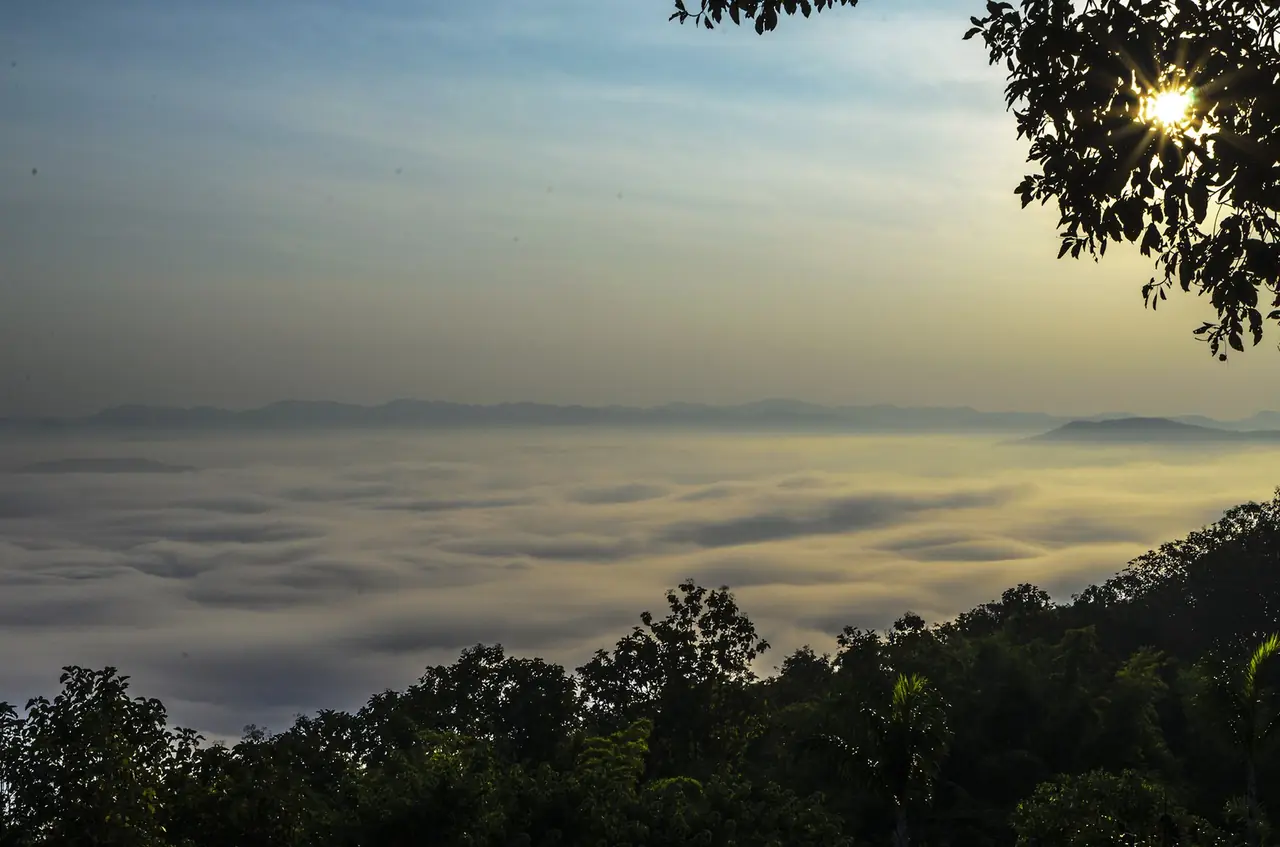
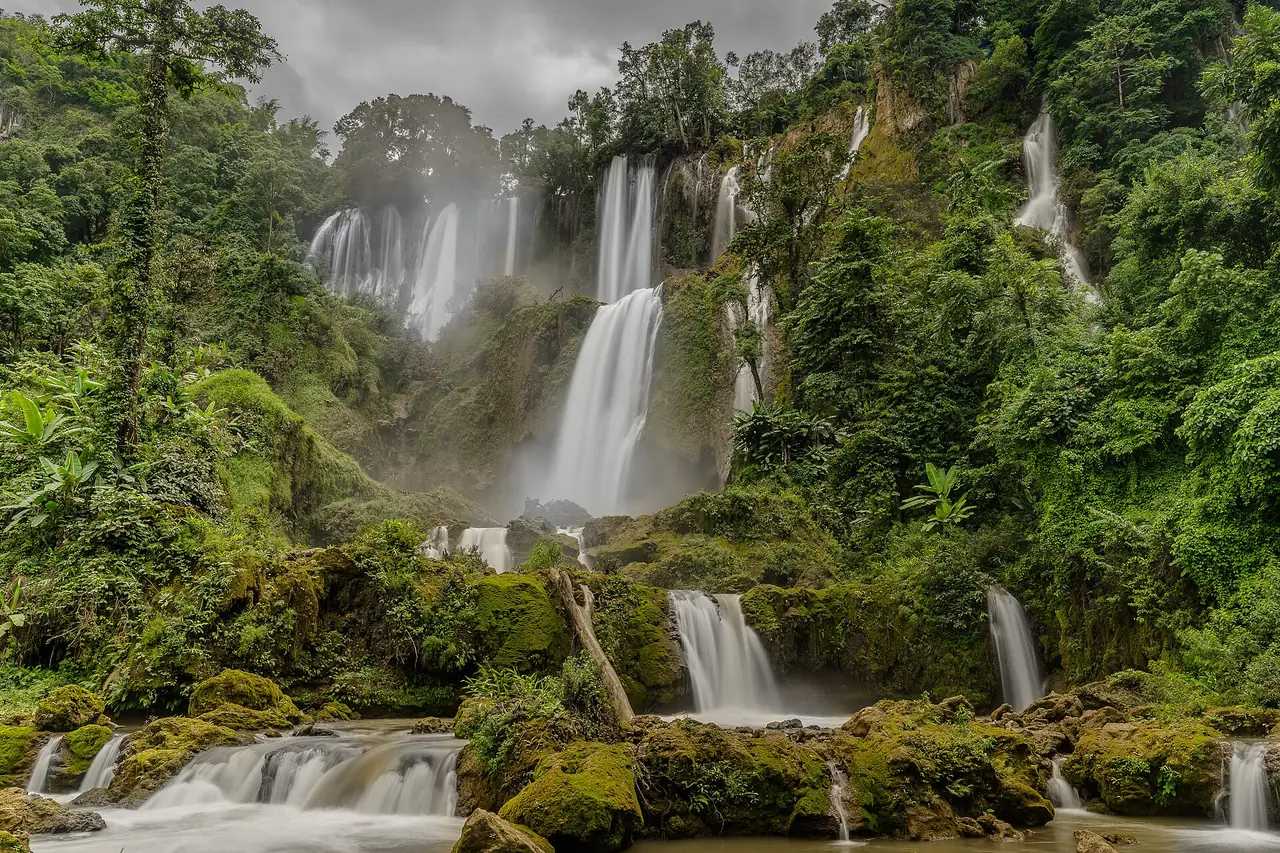
TAT says the mountain park is most popular for bathing in 73 degrees Celsius spring-fed pools, which make a beautiful mist early in the morning, and that a six-level waterfall lies about one km from the hot springs. It says camping and accommodation are available and the park is easiest to reach by car or taxi. Wikipedia places the park 75 km north of Lampang town, in Mueang Pan and Chae Hom districts, so this is a long day trip rather than a short ride. We could not open the national park department's own page, so we have no verified entry fee or opening hours.
More temples and a trip by train
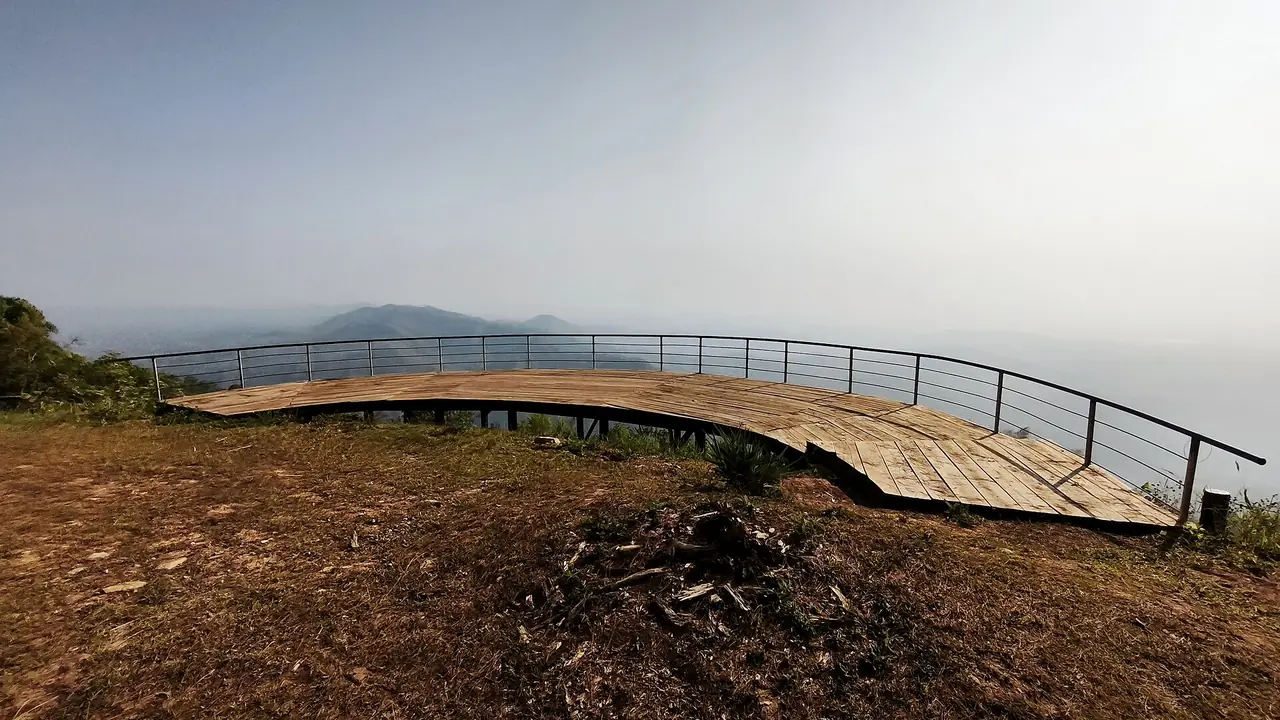
TAT lists several other temples. Wat Chedi Sao has 20 Lanna-style chedis (sao means 20 in the northern dialect) and a solid-gold seated Buddha of 1,500 grams, almost 40 centimetres tall, in a glass pavilion over a pond. Wat Phrathat Mon Phaya Chae is in the mountains about five kilometres out of town and has a view over Lampang. Wat Phrathat Pu Pha Daeng sits on a clifftop at 815 metres, known for more than 10 white Lankan-style pagodas. TAT also describes Doi Khun Tan National Park as a trip you make by train: the railway passes through Thailand's longest tunnel, you hike under one kilometre from the station to the park, and bungalows and camping are available.
Food and markets
TAT says food in Lampang is very tasty and not expensive, that northern Thai dishes are common, that there are also Western restaurants aimed mostly at tourists, and that the street markets on the walking tour offer many local delicacies. Several travel articles say the Kad Kong Ta walking street runs on weekend evenings, but they disagree on the start time, and we found no official page, so ask your hotel for the current days and hours.
A two-day plan
This plan is our suggestion, built from the distances above. On day one, stay in the old town: the railway station, the Ratchadaphisek Bridge, Ban Sao Nak and Wat Phra Kaeo Don Tao, then dinner at the market if it is running. On day two, go to Wat Phrathat Lampang Luang in the morning (about 18 km south-west) and the Thai Elephant Conservation Centre in the afternoon (the 37 km marker on the road to Chiang Mai, in the opposite direction), or swap the order if you are heading on to Chiang Mai. Keep Chae Son National Park for a separate day.
Where to stay
Our stay guide compares three areas and 11 hotels, with every hotel fact checked on the hotel's own site.
- Old town and the Wang River: walkable to the river, the market and the old streets, with a small number of hotels.
- City centre and the main roads: Phaholyothin Road, the bus station and the highway, with the largest choice of mid-size hotels.
- Outside town: garden resorts and bungalows by the Wang and Tui rivers, and Ko Kha on the way to Wat Phrathat Lampang Luang.
Open where to stay in Lampang for the area table and hotel cards.
Nearby destinations
- Chiang Mai: TAT suggests Lampang works as a single stop from Chiang Mai by train or bus, and the stay guide is at where to stay in Chiang Mai
- Nan: the next stop in the five- to seven-day road trip TAT describes
- Sukhothai: another old Thai capital, covered in our Sukhothai guide
- Chiang Rai: Wikivoyage lists Chiang Rai to the north of Lampang on the same highway, via Phayao
- Thailand overview and getting around Thailand
- Phrae: teak old town and Phae Mueang Phi
- Lamphun: Haripunchai temples next to Chiang Mai
FAQ
How do I get from Bangkok to Lampang?
By train, bus, car or plane. TAT says Lampang is a little more than 600 km north of Bangkok. The 12Go route page listed 20 companies and 70 departures a day when we looked on 16 October 2026, and Wikipedia says the train takes about 10 hours. Flights go to Lampang Airport; check which airline currently flies.
Is Lampang worth visiting?
TAT describes it as a city of unique sites, including what many consider the north's most impressive temple, with horse-cart tours, and it is easy to reach from Chiang Mai. If you want beaches or nightlife, look elsewhere; if you like old streets, teak buildings and temples, it is worth a night or two.
How many days do I need in Lampang?
One night is enough for the old town and the market, and two nights lets you add Wat Phrathat Lampang Luang and the Thai Elephant Conservation Centre. Chae Son National Park is 75 km north of town according to Wikipedia, so it needs most of a day.
When is the best time to visit Lampang?
Wikipedia describes dry, sunny, quite pleasant days from November to March, very hot weather in April and a rainy season from June to November. It also notes that field burning after harvest can dull the winter sky, so check air quality for a winter trip.
Is there a train to Lampang?
Yes. Nakhon Lampang railway station is on the line to Chiang Mai, and TAT says the first train arrived there on 1 April 1916. Wikipedia says the trip from Bangkok takes approximately 10 hours and Wikivoyage says 10 to 12 hours, so check the State Railway of Thailand timetable.
Can I ride a horse carriage in Lampang?
TAT says visitors can take an open-air horse-drawn carriage tour of the old town, calling it unique to Lampang. We could not verify prices or routes, so agree the route and fare before you set off.
What does it cost to enter the temples and parks?
We could not verify entry fees or hours for Wat Phrathat Lampang Luang, the Thai Elephant Conservation Centre or Chae Son National Park from an official page, so we do not quote them. Check current notices or ask your hotel before you go.
Official sources and further reading
Prices, schedules and entry rules change. Figures here are approximate as of 2026; always confirm on the official or operator page before you book. Spotted something out of date? Tell us.