Phrae is the northern town that most people drive past on the way between Sukhothai and Nan. That is a pity, because it keeps a compact old quarter of teak mansions, a very holy hilltop chedi, a strange landscape of eroded earth pillars and a village that dyes cloth blue by hand. It is quiet, cheap and easy to cover in two or three days, and it fits well between Sukhothai, Lampang and Nan.
Everything here was checked on 16 October 2026 against the sources listed at the bottom of the page. Where sources disagree, or where we could not confirm opening hours and fees on an official page, we say so. Hotels are in our where to stay in Phrae guide, or in Thai, ที่พักแพร่.
What Phrae is
Phrae is a province in upper northern Thailand. Wikipedia says it lies in the valley of the Yom River, with the Phi Pan Nam range running north to south in the west and the Phlueng range in the east, and that it borders Phayao, Nan, Uttaradit, Sukhothai and Lampang. The provincial town sits on the east bank of the river and is the capital of the province; Wikipedia gives it a population of 15,316 in 2019 and puts it 555 km north of Bangkok by road.
The town grew rich on teak. Wikipedia says that in the late 19th century Phrae was a major centre of the teak trade, with foreign firms such as the East Asiatic Company and the Bombay Burmah Trading Corporation operating nearby, and that the last chao luang (ruler) of Phrae lost his throne after the Shan-led Ngiao rebellion of 1902. The money and the foreign carpenters left behind the old teak houses that visitors come to see today. The provincial motto, which Wikipedia translates in part as 'Mo hom fabric and teak wood', sums up the two things the province is known for.
Getting to Phrae
| From | How | What the sources say |
|---|---|---|
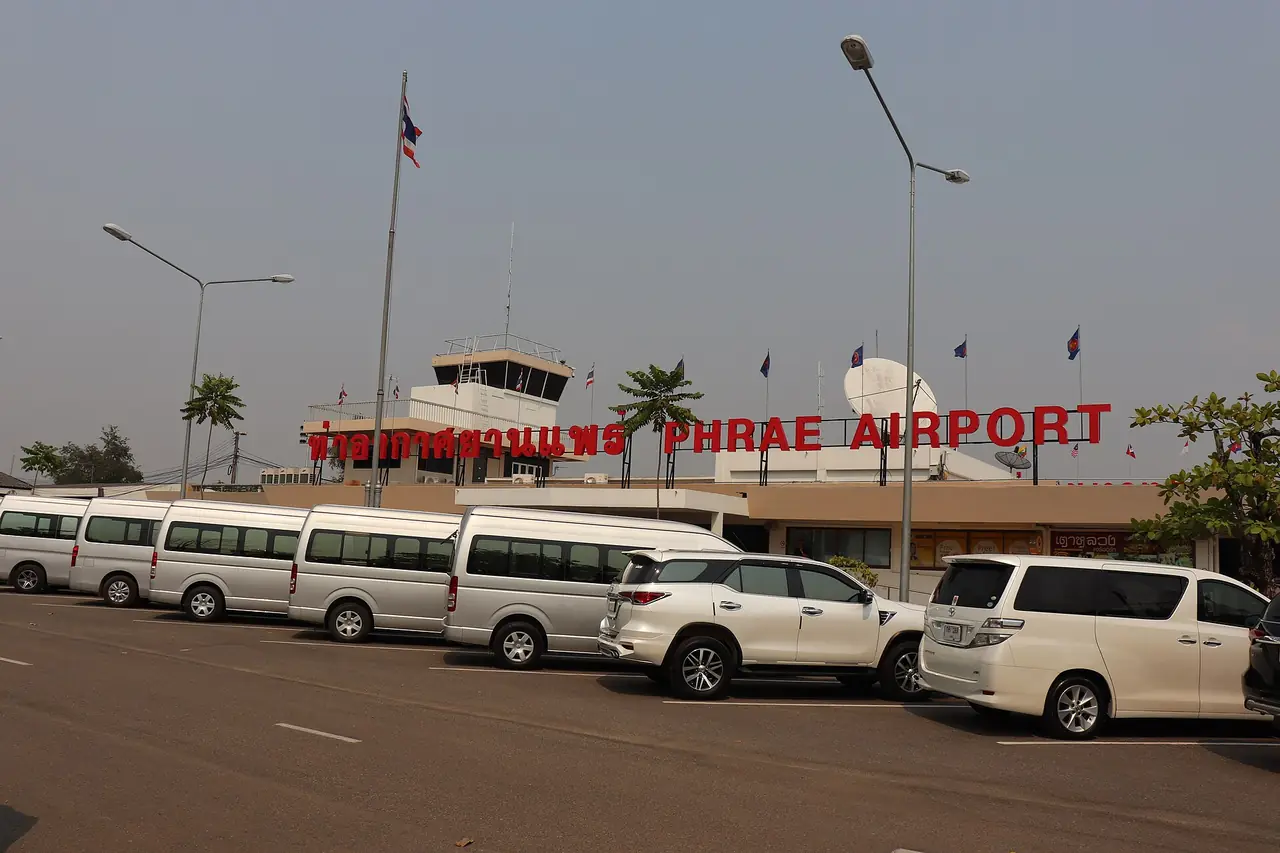
| Bangkok by air | Nok Air to Phrae Airport | Wikipedia says Phrae Airport handles only domestic flights from and to Don Mueang by Nok Air; check the airline for the current timetable |
| Bangkok by bus | Northern bus terminal (Mo Chit 2) | Thai Wikipedia lists several operators on the Bangkok to Phrae run, but its list is dated; 12Go shows current operators |
| Bangkok by car | Highway 11 via Nakhon Sawan, Phitsanulok and Uttaradit | Thai Wikipedia says about 7 to 8 hours by the main route |
| Bangkok by train | Train to Den Chai, then a songthaew | Wikipedia says the provincial railway station is Den Chai, 24 km from Phrae town; Wikivoyage suggests a songthaew onward |
| Lampang Airport | Fly to Lampang and drive | HOP INN's Phrae page gives Lampang Airport as about 100 km away |
| Within town | Bus station on Yantarakitkoson Road | Wikivoyage says the bus station is at the north end of Yantarakitkoson Road |
The 12Go page for Bangkok to Phrae was titled 'Bangkok to Phrae by train, bus, van, flight, taxi' when we opened it in a real browser on 16 October 2026. It listed operators including Budsarakham Tour, Kim Transfers, Nok Air, Thai Railway and Torch, with 7 departures a day, the earliest at 7:50 AM and the latest at 10:30 PM. We do not quote its prices. Some links on this site may earn us a commission; that does not change the times or fares you see.
Where the sources disagree
| Item | What we found |
|---|---|
| Distance from Bangkok | 555 km by road (Wikipedia, Thai Wikipedia) against 575 km on the 12Go page we opened; Thai Wikipedia also gives 550 km by rail to Den Chai |
| Where the airport is | Wikipedia's province page puts it in Mueang Mo on the east side of town; the airport's own article puts it in Tambon Na Chak |
| Distance to Wat Phra That Cho Hae | About nine kilometres south-east of the city (Wikipedia) against 13.6 km from the B2 hotel's own door |
Treat the shorter figure as the best case and ask your hotel for the real driving time.
The old town and the teak houses
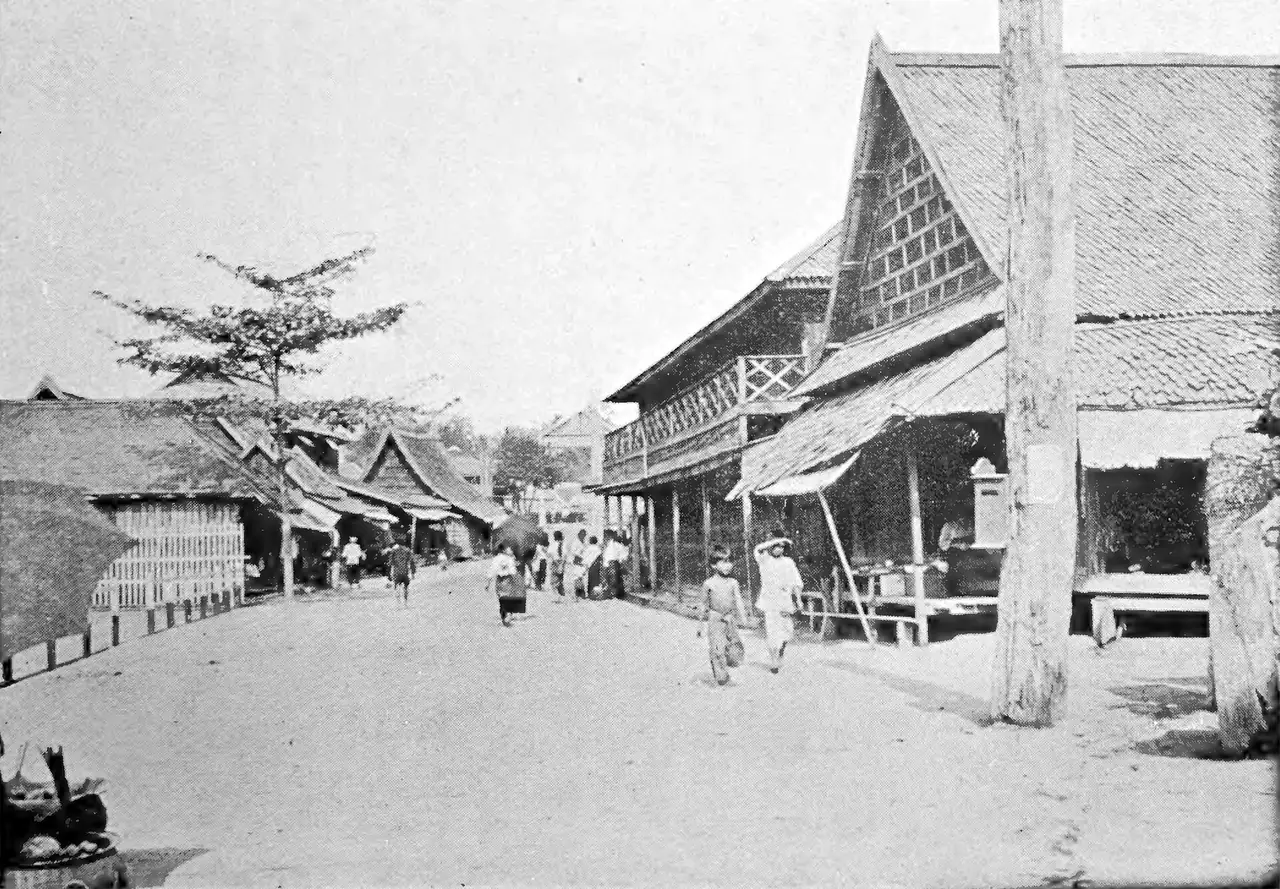
The old town is the reason to stay a night. Wikipedia says the province is full of historic buildings more than 100 years old, built in the Rattanakosin period or for the timber trade. The ones you can visit include:
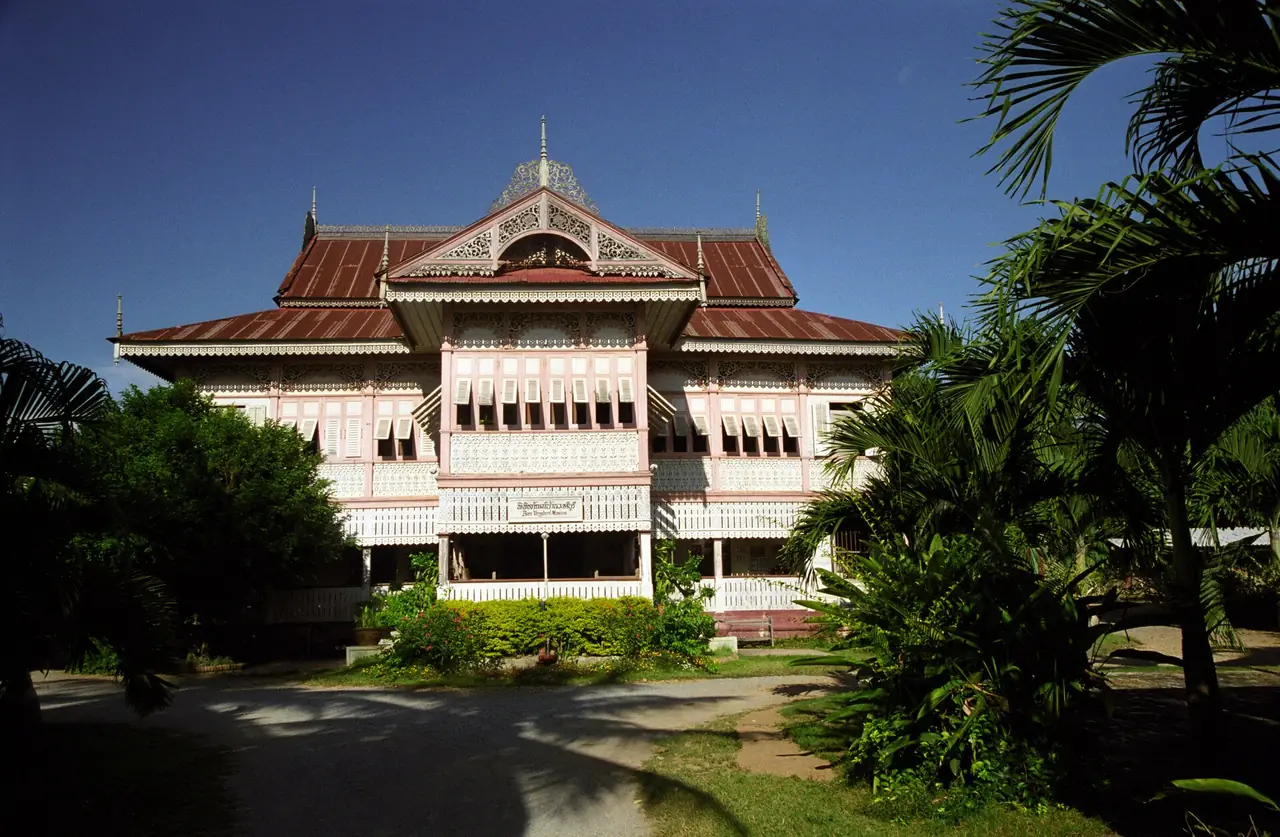
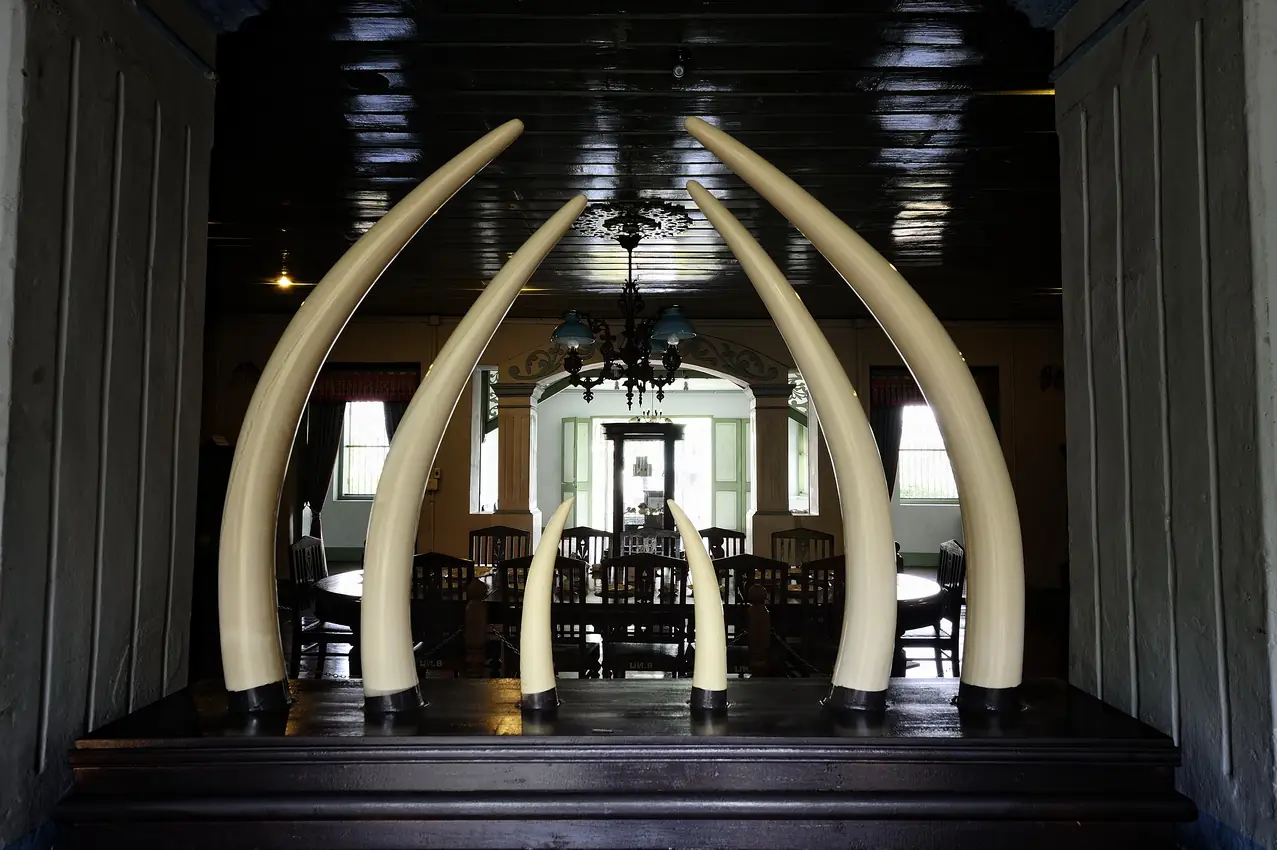
- Khum Chao Luang: Wikipedia says it was built in 1892 as the royal residence of the chao luang; Wikivoyage describes it as an old teak house where the king and queen stayed on a visit, and lists it as free to enter.
- Wongburi (Vongburi) House: Wikivoyage lists it on Wichairacha Road as an old teak house and gives hours of 09:00 to 17:00 and a fee of 30 baht. Those are from a community guide, not an official page, so check before you go.
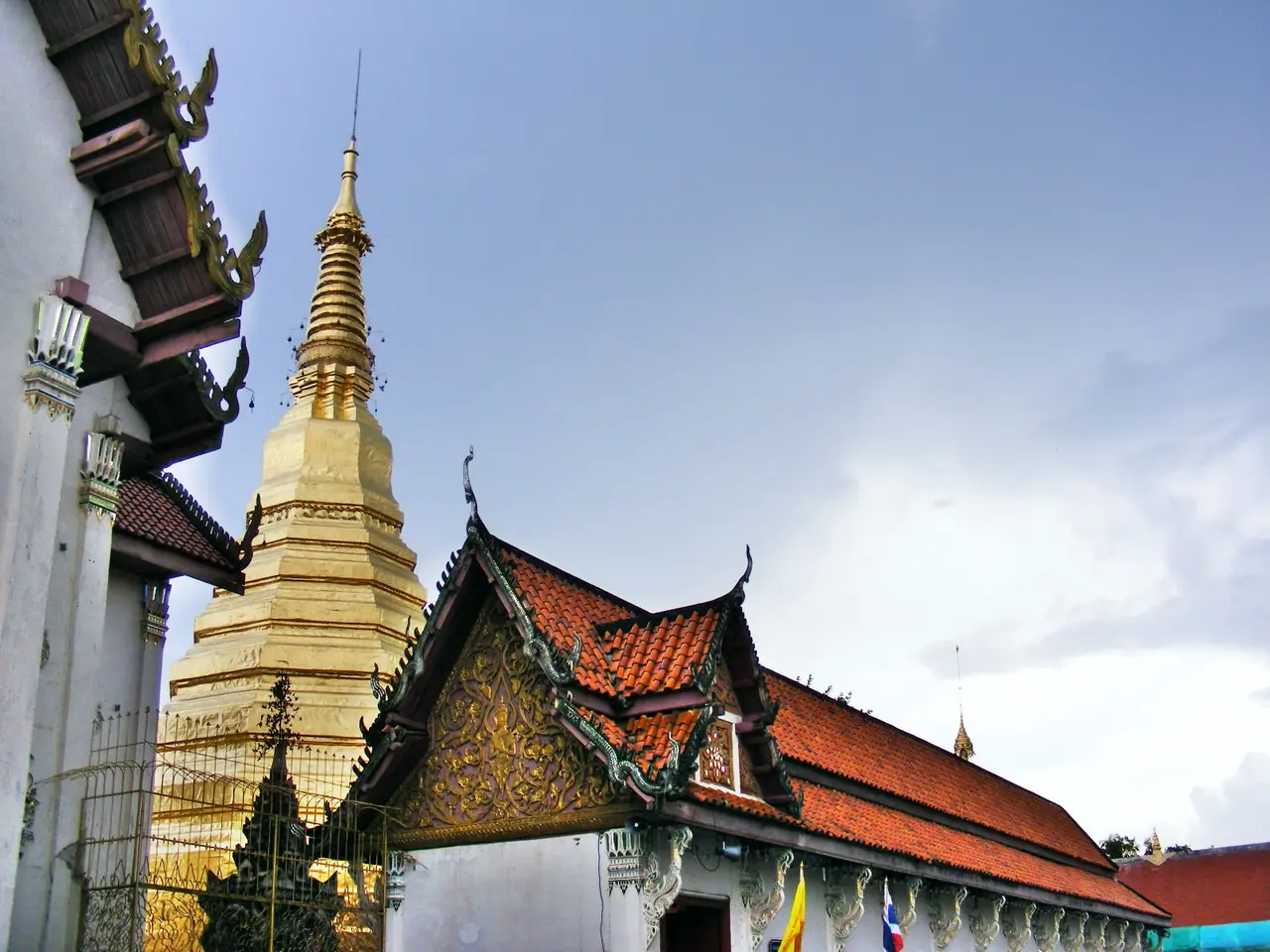
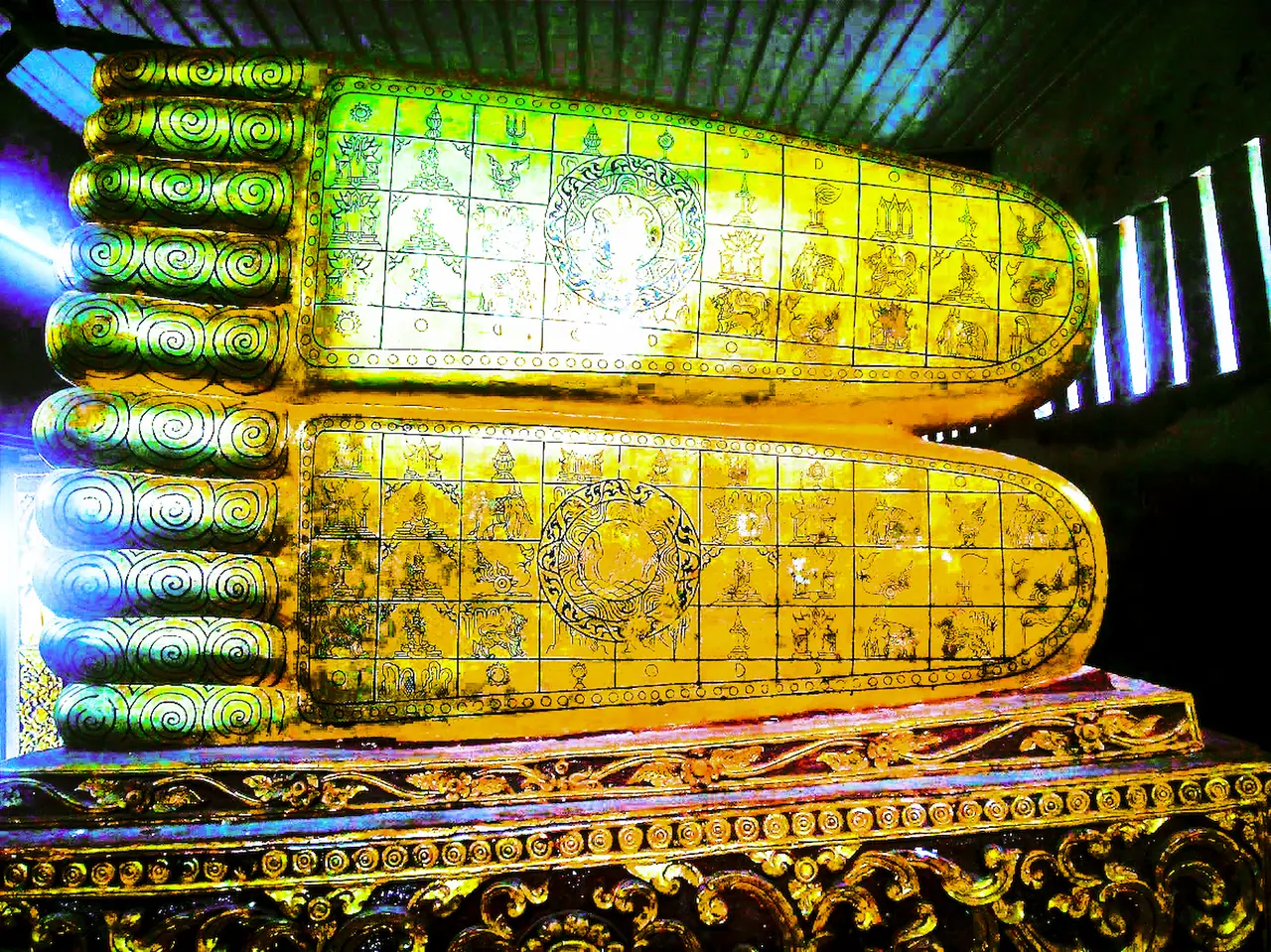
- Wat Phra Non, Wat Luang and Wat Chom Sawan: Wikivoyage describes Wat Phra Non's nine-metre plaster reclining Buddha, the Chiang Saen-style chedi at Wat Luang, and Wat Chom Sawan as a Burmese-style temple.
The best way to see the old town is slowly. Several hotels in our stay guide lend bicycles, and the centre is small. Wikivoyage also lists a city wall that is mostly gone but visible along parts of the moat, and a Saturday night market is mentioned by the hotels' own site lists. We could not verify night-market hours.
Wat Phra That Cho Hae
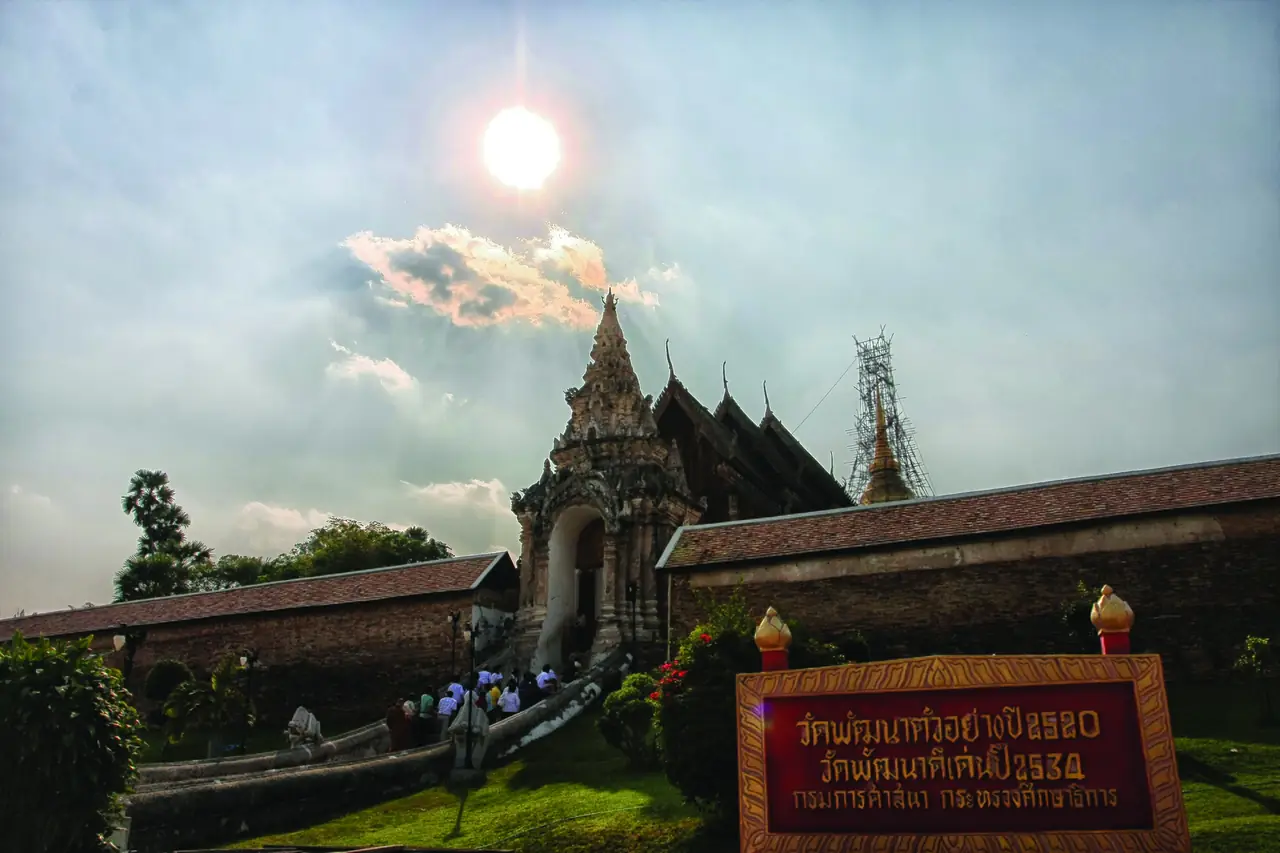
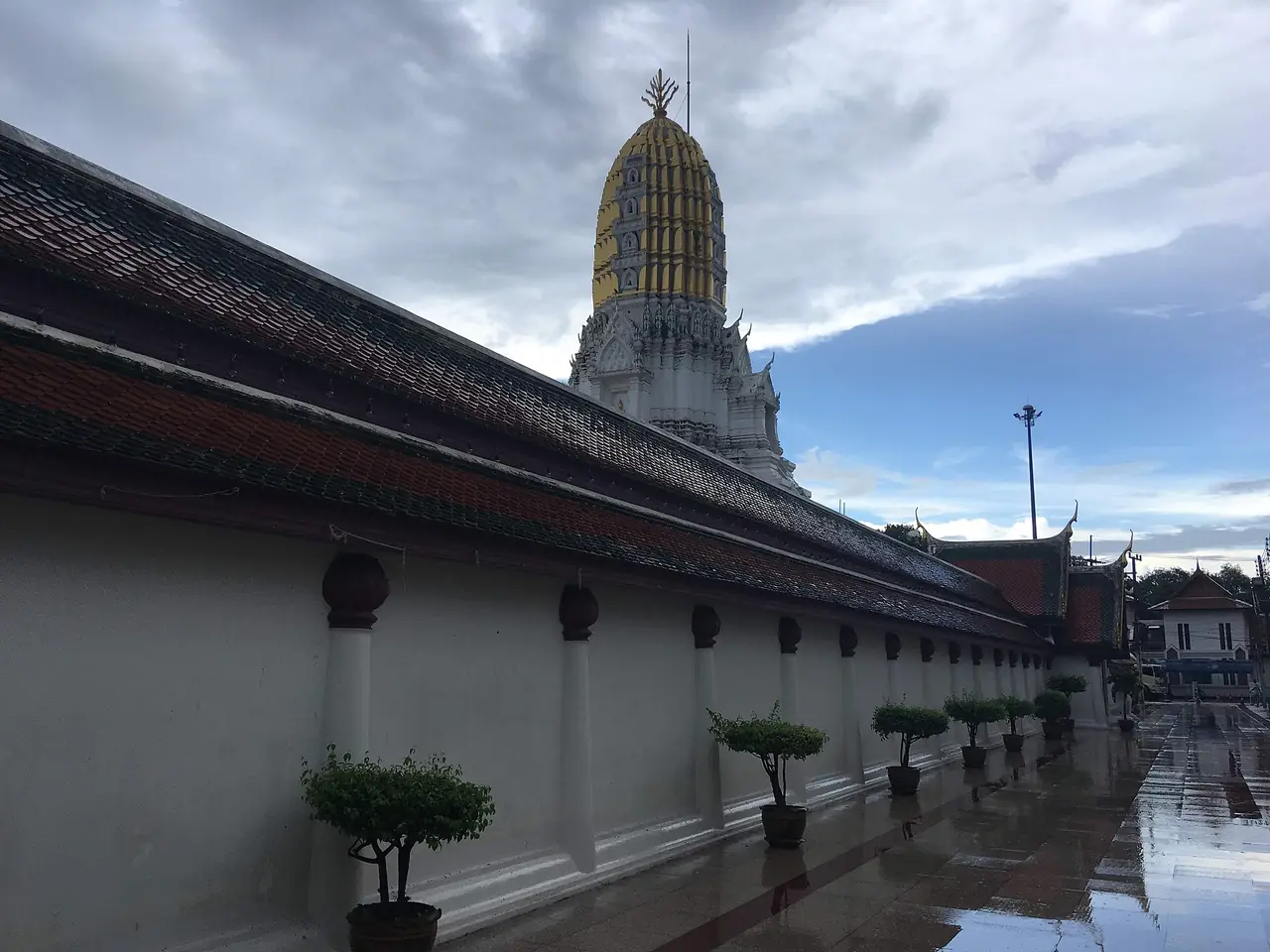
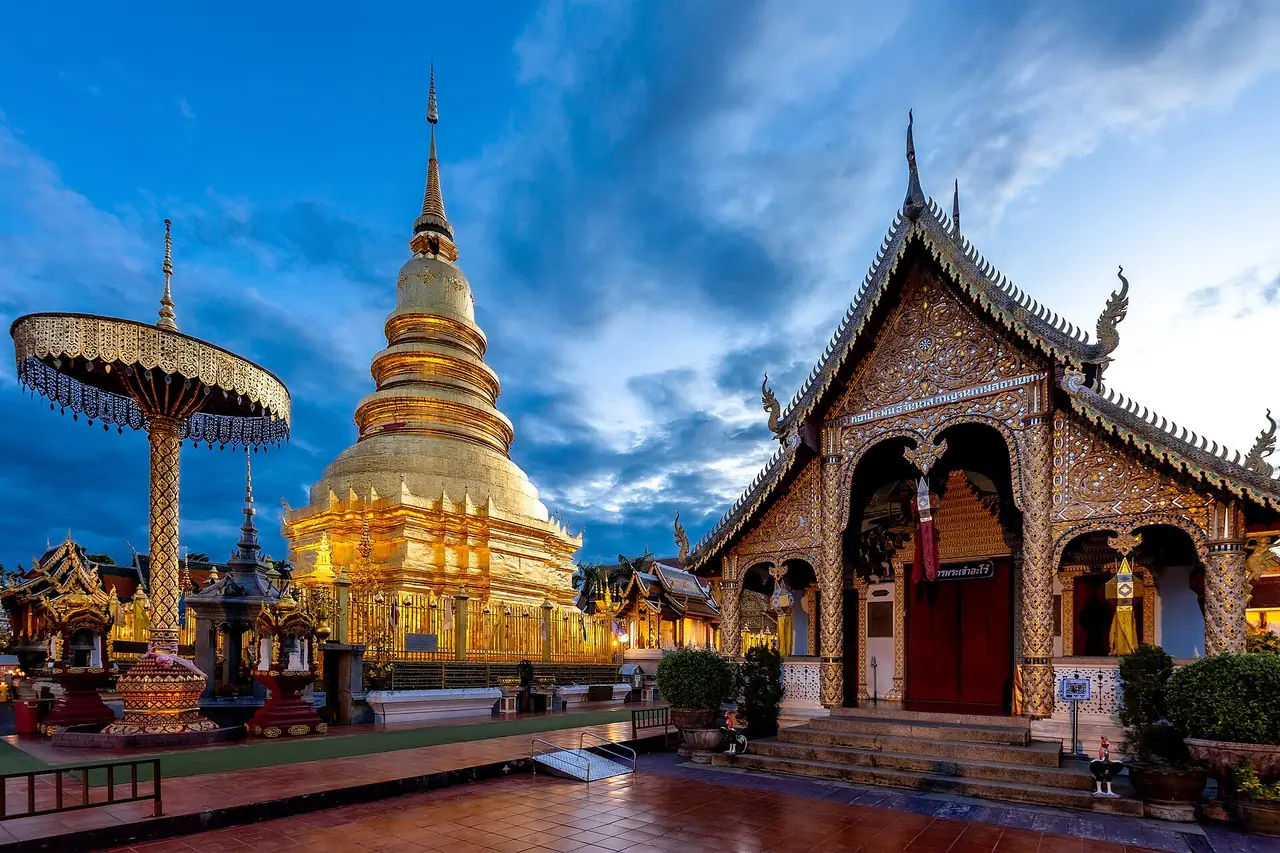
Wat Phra That Cho Hae is the symbol of Phrae: the stupa appears on the provincial seal, on the back of a horse. Wikipedia says it is on a hill about nine kilometres from the town centre, and that one of the earliest temples in Phrae was built here around 1336 to 1338 in the Sukhothai period. Wikivoyage describes a 33-metre Chiang Saen-style chedi covered in bright brass sheets. The temple's annual fair, held around March, involves a procession carrying robes to wrap the chedi; Wikivoyage describes the procession as Lanna in style. We could not verify opening hours or fees, so check on the day.
Phae Mueang Phi
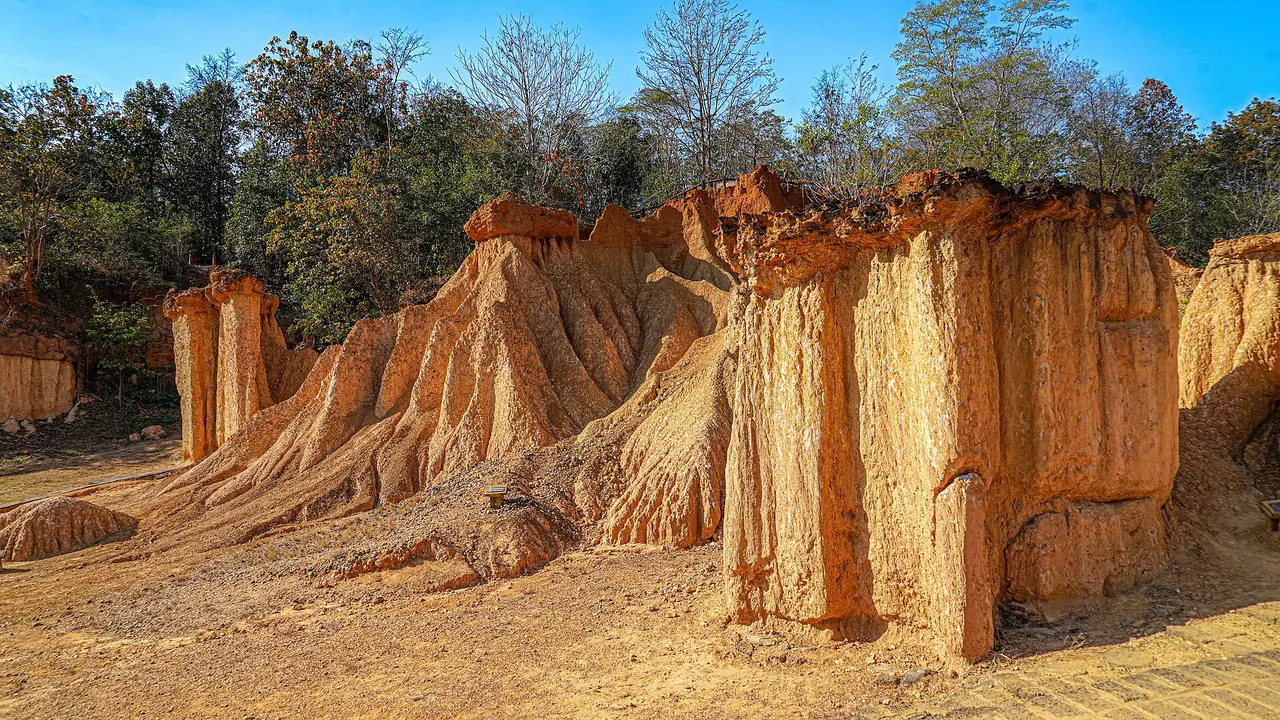
Phae Mueang Phi is the landscape people photograph. Wikipedia says it is about eight kilometres north-east of Phrae town and describes mushroom rocks and distinctive pillars shaped by erosion. The forest park covers only 0.27 square kilometres and has hardly any trees, so it is exposed to sun: go early or late in the day. The name is northern Thai for roughly 'ghost town grove'. B2's own page lists it at 12.2 km from that hotel. We could not verify the entry fee or the opening hours.
Mo hom cloth and the villages
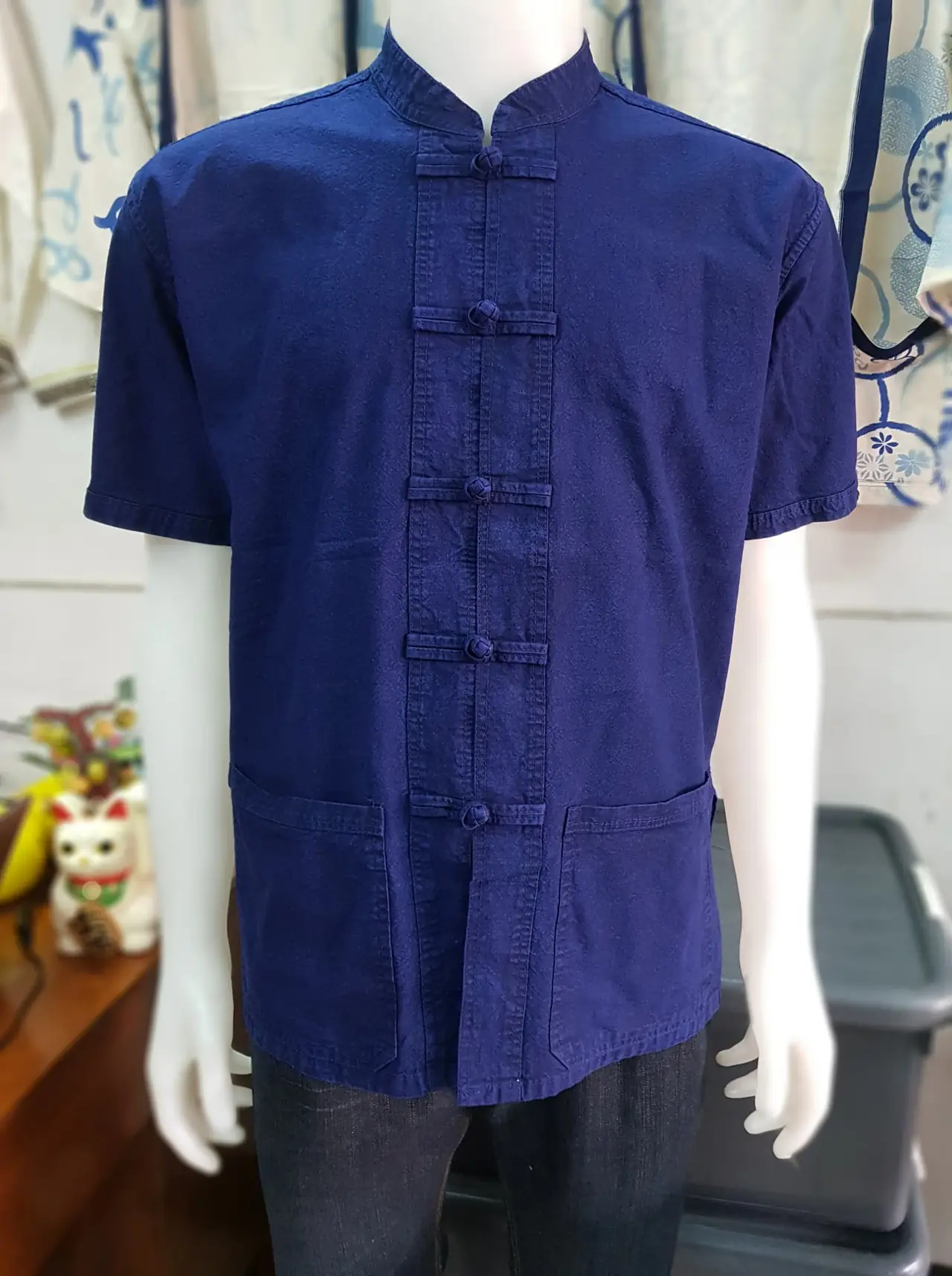
Mo hom is a local cotton cloth dyed blue, and the provincial motto starts with it. Wikivoyage names Ban Thung Hong as a village noted for making products from mo hom, and also lists the Komol Ancient Fabric Museum, where old fabrics and modern versions are sold, and the fine Pha Tin Chok weave. Wikivoyage mentions Hua Dong Market as a centre for wood and rattan furniture. Several hotels in the stay guide decorate with indigo, and Hug Inn Phrae says its rooms use indigo to represent local handcraft.
We were asked to cover Ban Pa Kha, but we could not find a sourced page that places a Ban Pa Kha in Phrae province, so we leave it out rather than guess. If you have a specific village in mind, ask the Tourism Authority of Thailand office in Phrae, whose address Wikivoyage gives on Baan Mai Road.
Wiang Kosai and the national parks
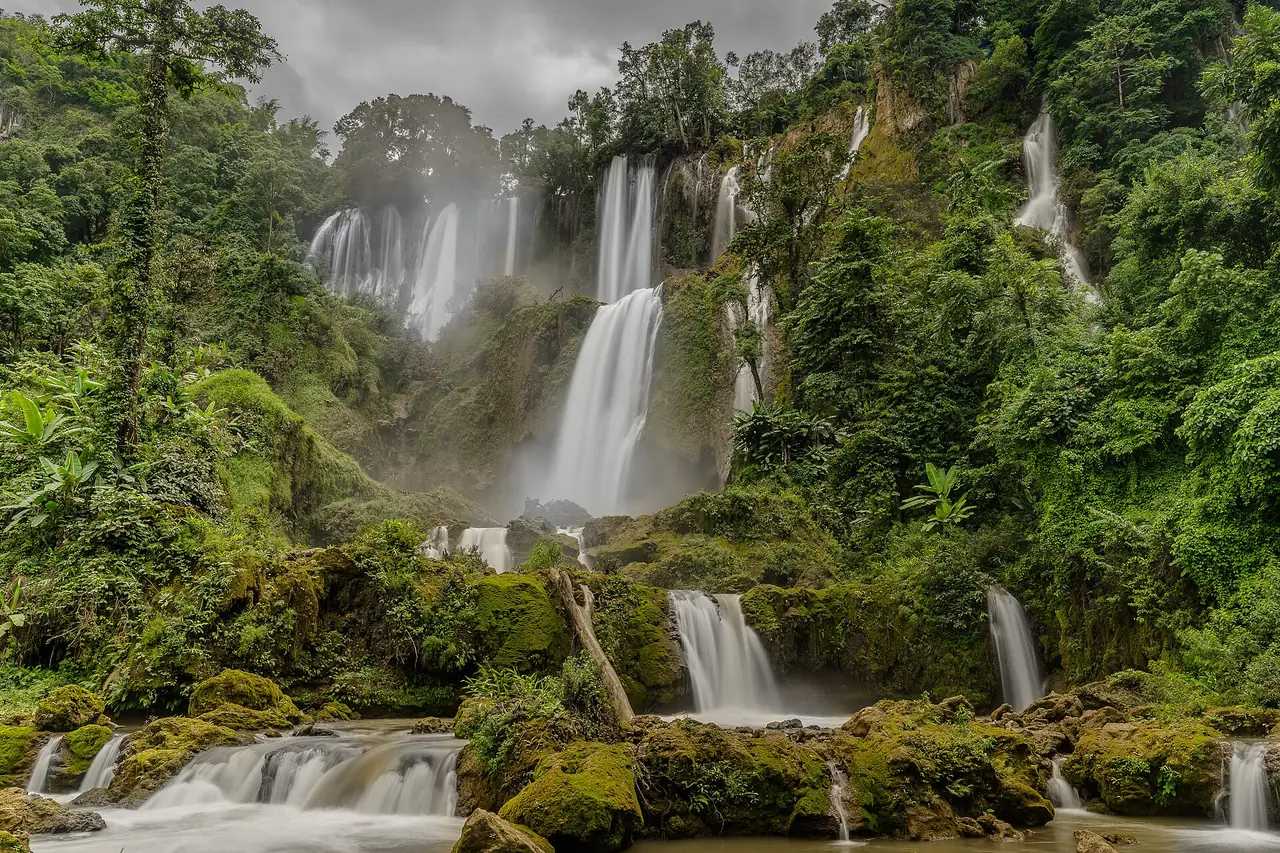
Wikipedia lists four national parks that touch the province: Lam Nam Nan, Mae Yom, Wiang Kosai and Doi Pha Klong. Wiang Kosai National Park covers 410 square kilometres and lies partly in Lampang province; Wikivoyage places it midway between Phrae and Lampang and calls it little known. Wikipedia says it has two famous waterfalls, Mae Koeng Luang and Mae Koeng Noi, and the Mae Chok hot spring. Its figures for visitors in the 2024 fiscal year are 16,616 for Wiang Kosai, 5,445 for Mae Yom, 2,553 for Doi Pha Klong and 37,174 for Lam Nam Nan, so you are unlikely to meet crowds.
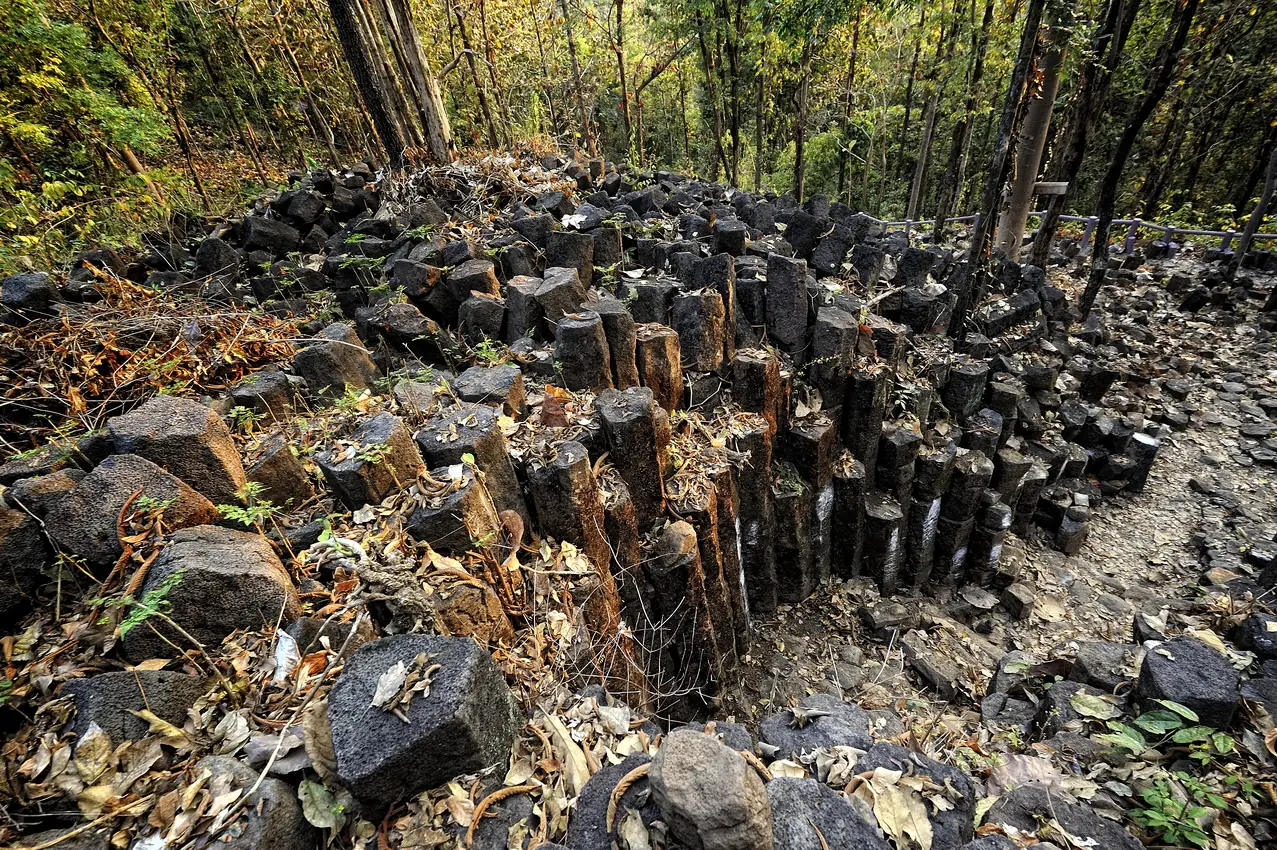
Wikivoyage also lists the Mae Khaem waterfall and the three-level Tat Mok waterfall, about 22 kilometres from the town. Road conditions and park fees change; check with the park before you go.
More sights from Wikivoyage
Wikivoyage's list for Phrae adds several smaller stops, none of which we could check on an official page:
- Phra That Phra Lo: a 400-year-old chedi said to hold the remains of a king named Phra Lo, from the folk epic the provincial motto mentions.
- Wat Phra Bat Ming Mueang: built in 1955 by combining two older temples, with an old chedi holding a replica of the holy footprint.
- Wat Phra Luang: a Sukhothai-style chedi that locals call the leaning chedi.
- Wat Phra That Suthon Mongkhon Khiri: noted for fine sculpture and a golden Lanna-style teak building that houses regional relics, and listed by B2 as 28.9 km from that hotel.
- Folklore Museum and Phraya Chaiyabun Memorial: a museum of wooden houses showing the local way of life, and a memorial to the governor killed in the 1902 rebellion.
A two to three day plan
This plan only uses the places above, in an order that keeps drives short.
- Day 1, old town on foot or by bike: Khum Chao Luang, Wongburi House, Wat Phra Non, Wat Luang and Wat Chom Sawan. Eat at your hotel or the markets in the evening.
- Day 2, the two big sights by car: Phae Mueang Phi early, before the sun is high, then Ban Thung Hong for mo hom cloth and Wat Phra That Cho Hae in the late afternoon.
- Day 3, Wiang Kosai: drive towards Lampang by way of the national park, with its waterfalls and the Mae Chok hot spring, and carry on to Lampang; or head north to Nan instead.
Check opening hours and road conditions on the day, because we could not verify them.
The seasons
Wikipedia's climate table for Phrae (1991 to 2020) gives about 1,172 mm of rain a year. The wet season runs from May to October, with the heaviest rain in August (about 239 mm) and September (about 188 mm), against about 11 mm in December, 13 mm in January and 12 mm in February. April is the hottest month: the table gives a mean daily maximum of 37.6 degrees Celsius and a record high of 43.6. The cool season is dry and warm, with a mean daily minimum around 16 degrees in December and January. Wikivoyage lists Songkran in Phrae from 13 to 17 April and the Phra That Cho Hae fair around March. Check the forecast for your dates.
Where to stay
Our stay guide checks eight hotels against their own websites, in three areas:
- Old town and centre: Hug Inn Phrae, Maeyom Palace, Phrae Nakara, Phoomthai Garden, Amonruk Hotel and HOP INN Phrae.
- Edge of town: B2 Phrae Boutique and Budget Hotel.
- Rice-field countryside: SuanGlangNa, about 10 km from the capital by its own figure.
Open where to stay in Phrae for the area table and the hotel cards. It is a short list because many Phrae hotels sell only through booking sites or Facebook, and we list only hotels whose own site we could read.
Nearby destinations
- Nan: the next province north, along the old Route 101
- Lampang: the horse-cart town to the west, with Wiang Kosai between the two
- Sukhothai: the historic park to the south
- Phitsanulok: the main city on the way from Bangkok
- Chiang Mai: the northern hub
- Bangkok: where most trips to Phrae start
- Thailand overview
FAQ
How do I get from Bangkok to Phrae?
By air with Nok Air from Don Mueang to Phrae Airport (per Wikipedia), by bus from the northern bus terminal, by car on Highway 11 in about 7 to 8 hours (Thai Wikipedia), or by train to Den Chai and a songthaew for the last 24 km. The 12Go page showed 7 departures a day when we opened it on 16 October 2026.
How many days do I need in Phrae?
Two nights covers the old town, Wat Phra That Cho Hae and Phae Mueang Phi. Add a third if you want Wiang Kosai National Park or a mo hom village visit.
What are the best things to do in Phrae?
Visit the old-town teak houses such as Khum Chao Luang, climb to Wat Phra That Cho Hae, walk the earth pillars at Phae Mueang Phi, and look at mo hom cloth in Ban Thung Hong. We could not verify opening hours or fees for most of them.
Is Phrae good for a quiet trip?
Yes. It is a small town and the national parks report low visitor numbers, so crowds are rare. Evenings are quiet, so check that your hotel serves dinner.
When is the best time to visit Phrae?
December to February is the driest on Wikipedia's normals, about 11 to 13 mm of rain a month, and still warm. April is the hottest and August the wettest. Check the forecast for your dates.
Do I need a car in Phrae?
Not for the old town, which is small and bicycle-friendly. For Phae Mueang Phi, Wat Phra That Cho Hae, Wiang Kosai and any rural stay, a car or a hired driver makes the days much easier.
Is there a train to Phrae?
Not into the town itself. Wikipedia says the provincial railway station is Den Chai, 24 km away, and Wikivoyage suggests a songthaew onward.
Can I visit Phrae on the way to Nan or Lampang?
Yes. Phrae sits between them, with Wiang Kosai National Park midway between Phrae and Lampang by Wikivoyage's description.
Official sources and further reading
Prices, schedules and entry rules change. Figures here are approximate as of 2026; always confirm on the official or operator page before you book. Spotted something out of date? Tell us.