By AsiaRoamer Editorial Team · Last checked
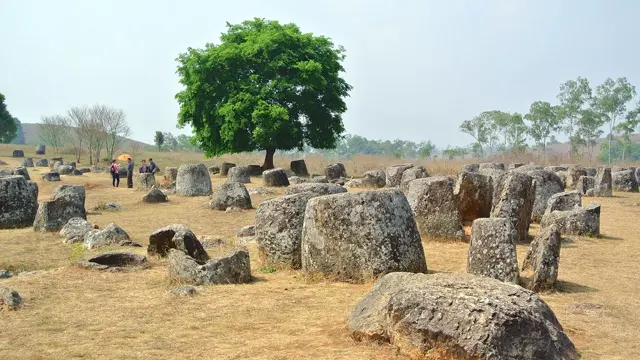
The Plain of Jars is one of the strangest landscapes in Southeast Asia: clusters of huge stone jars, between one and three metres tall and wide, scattered across the high plateau of Xieng Khouang. Most people do not come for lengthy theories about who carved them. They come to stand among the real thing and to understand a region that was among the most heavily bombed places on earth.
There are only a few decisions to make: fly or go by road, how many nights to stay, tour or independent, and how to walk the sites safely. This page answers them in that order. Details are current as of 24 November 2026. Each site charges its own entry fee in kip, and the amount can change, so bring small notes and confirm the current price with your guide or at the ticket point on the day.
We earn a commission if you book through our links. The price you pay does not change. How we choose
How long to spend at the Plain of Jars and which tour to pick
The plan that works for most people is two nights in Phonsavan. Arrive on day one and visit the MAG information centre, spend day two on a full circuit of Sites 1, 2 and 3, then leave the following morning. If you are coming by road from Vientiane or Vang Vieng, add another night, since the mountain journey takes up almost a whole day.
| Type of trip | What you see | Suits | Booking options |
|---|---|---|---|
| One-day group tour | The main jar sites with a guide | Solo travellers and tighter budgets | |
| Sites 1, 2, 3 and war scrap village | All main sites, a short trek and Ban Napia | Anyone wanting a full day of content | See Sites 1, 2, 3 tour |
| One-day private tour | Your own pace with a car and guide | Families, older travellers, small groups | See private tour |
| Two-day private tour | Jars and the UXO story in depth | Travellers serious about history | See two-day tour |
| Location | Around Phonsavan, Xieng Khouang Province |
|---|---|
| Status | UNESCO World Heritage site |
| Most visited | Site 1 draws the most people; Sites 2 and 3 are quieter |
| Entry | Charged separately at each site in kip. Carry small notes, read the board at the ticket point, or ask whether your tour includes it. |
| Best months | Roughly November to April, dry and cool. December is coldest, typically around 10 to 22 degrees C. |
| Safety rule | Walk only on cleared, marked paths and never touch metal objects |
Travelling alone, a group tour usually beats hiring a car, because Sites 1, 2 and 3 are spread out and no convenient public transport links them. With three or more people, a private tour starts to make sense and is far more comfortable.
Plain of Jars Sites 1, 2, 3, Trek and War Scrap Village
Price Check latest price
Check the latest price on the booking pageCovers Sites 1, 2 and 3 with a short trek and the war scrap village, ideal if you have one day and want to see it all. Check the pickup point and inclusions before booking.
This alternative is a two-day private tour.
Getting to Phonsavan: fly, bus or van
There is no railway to Phonsavan. Your realistic choices are a flight from Vientiane or a long drive over mountain roads. If your time is limited, fly, because it saves almost an entire day. The road suits budget travellers who have days to spare and do not suffer from motion sickness.
| How | Journey time | Advantages | Watch out for | Book |
|---|---|---|---|---|
| Flight, Vientiane to Xieng Khouang (XKH) | About 30 to 40 minutes | Fastest and least tiring | Limited flights; check the latest schedule with the airline | Check with the airline |
| Bus from Vientiane | About 10 to 13 hours | Cheapest | Winding mountain road; avoid night travel if you can | See buses to Phonsavan |
| From Vang Vieng or Luang Prabang | Most of a day | No need to return to Vientiane | Allow extra time in the rains and ask your operator about the route | Ask at ticket offices in town |
Stay on the main roads used by passenger buses, and do not cut through Xaisomboun Province because a map shows a shorter line. The UK government advises against all but essential travel to Xaisomboun. Check the latest advice from your own government before you set off.
Several governments warn that Lao roads are in poor condition even where paved, and advise against travelling at night outside urban areas. From May to October, landslides can hold up traffic for hours, so do not book an onward flight on the same day as a road journey out of Phonsavan. If you get carsick, take something before you leave and keep water and snacks with you.
From Bangkok, get to Vientiane first and connect by air or road. All border routes and entry documents are covered in how to get to Laos. To link this trip with the train, see the Laos-China Railway guide.
 12Go
Vientiane to Phonsavan by road
Price Check latest price
Check the latest price on the booking pageUseful for comparing departures from Vientiane to Phonsavan. Check the boarding point, departure time and vehicle type for your date before booking.
See Vientiane to PhonsavanSites 1, 2 and 3: what is the difference?
Archaeologists have recorded around a hundred jar sites, but the ones on the standard visitor circuit are Sites 1, 2 and 3. If you are short of time, start with Site 1. With a full day, see all three, because each has a distinctly different feel.
| Site | Approx. jars | Atmosphere | Best for |
|---|---|---|---|
| Site 1 (Ban Na O) | About 316 | Open plain with big jars and bomb craters; the busiest | Everyone, and the one to pick if time is short |
| Site 2 (Ban Nakho) | About 86 | Two wooded knolls, noticeably quieter | Photographers and gentle walkers |
| Site 3 (Ban Xiengdi) | About 242 | Spread over hills and rice fields, very rural | Anyone who wants village scenery |
Site 1: start here
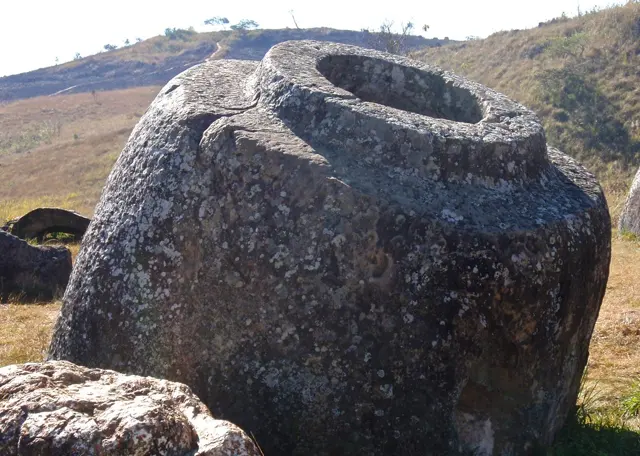
Site 1 is the most visited of all the jar fields, with a small visitor centre and ticket point. Marked paths make it easy to walk, and from the central rise you can see jars scattered in every direction, along with old bomb craters that still scar the ground. Come early in the morning or late in the afternoon, because the plain has no shade and the wind can be sharp in the cool season.
Site 2: quieter and shadier
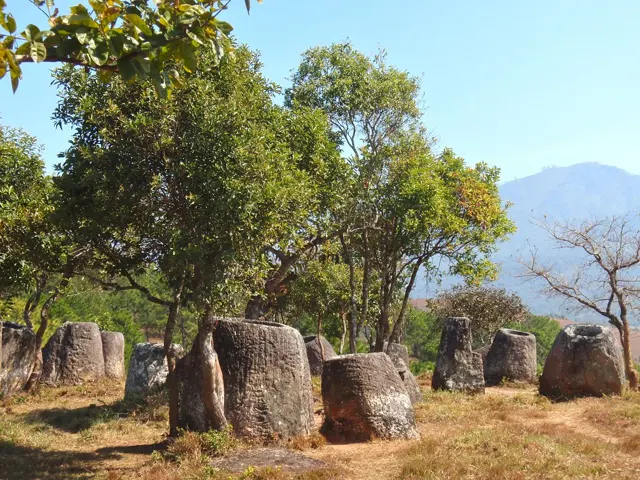
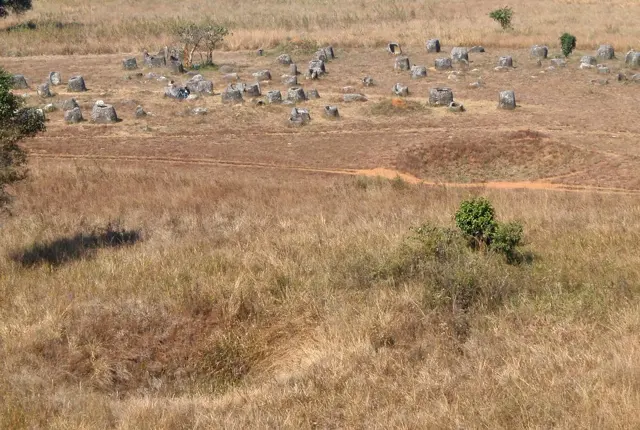
Site 2 is split across two small hills with a road running between them. It sees far fewer visitors than Site 1, and trees grow among the jars, which makes it a lovely place to wander slowly and take photographs without other people in the frame. The paths can be slippery after rain, so wear closed shoes.
Site 3: the rural one
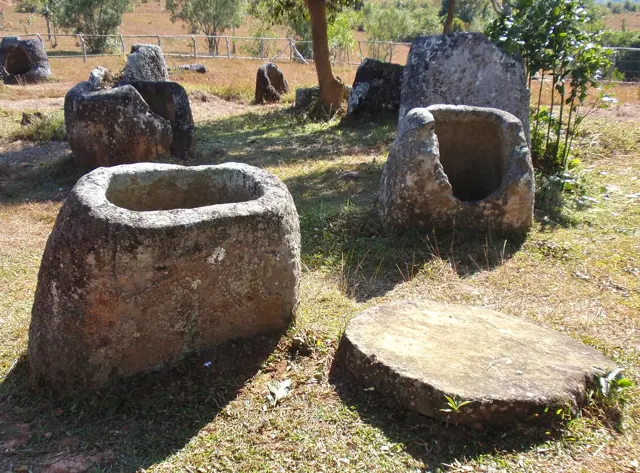
Site 3 lies a few kilometres southwest of Site 2, with its jars spread over several rises. Reaching them can involve walking through or alongside rice fields, so follow your guide exactly and do not wander off. In the wet season the approach turns to mud and may be hard to access, so ask before you leave town.
Plain of Jars Shared Group Tour
Price Check latest price
Check the latest price on the booking pageA shared group tour that suits solo travellers and couples who want to split costs. Check how many sites it visits and whether lunch is included.
See group tourPlain of Jars Day Trip
Price Check latest price
Check the latest price on the booking pageA one-day trip for those short on time. Read which jar sites are on the itinerary before you book.
See day tripPlain of Jars Private Tour
Price Check latest price
Check the latest price on the booking pageGood for families and older travellers who want to walk at their own speed with a car on standby.
See private tourUXO rules you must follow, every time
This is the most important section on the page. Between 1964 and 1973 an enormous number of cluster bombs fell on Laos. Lao tourism estimates that some 80 million unexploded submunitions remain, and they still kill and injure people every year. The main tourist sites have pathways that have been cleared and marked. Your safety depends on staying on them.
- Walk only on designated paths or inside areas marked as cleared.
- Never take a shortcut across a field, even if you see someone else doing it.
- Never pick up, kick or prod a metal object, however old or harmless it looks.
- If you spot anything suspicious, stop, retrace your steps and tell your guide or a staff member.
- Do not climb down into bomb craters.
- Do not buy or keep bomb fragments as souvenirs.
- Keep children within arm's reach at all times.
- After floods or landslides the danger increases, so ask your guide before leaving the main route.
Do not go exploring on your own in unmarked forest or fields around Phonsavan, even if an online map shows a track. Live ordnance is still present in rural Laos.
Stop at the MAG centre in Phonsavan
Before you head out to the jars, spend time at the MAG UXO Visitor Information Centre in town. Entry is free and donations are welcome. Allow 45 minutes to an hour for the exhibits, photographs, documentary films and stories from local communities. It makes clear exactly why those path markers matter. Opening hours can change, so ask at your guesthouse on the day.
Clearance work is still going on across Xieng Khouang, and it is slow, painstaking and dangerous. Visiting responsibly is a small way to respect it. Tourism income also matters here, so hiring a local guide and buying from village producers puts money directly into communities that have lived with this legacy for more than half a century.
Phonsavan 2-Day Private Jars and UXO Tour
Price Check latest price
Check the latest price on the booking pageA private two-day tour telling both the story of the jars and the impact of the bombing, for travellers who want more than a photo stop.
See two-day jars and UXO tourTour or independent: which makes more sense?
Going independently is possible, but the three main sites are spread out and public transport is not suited to looping between them in one day. Renting a motorbike adds road risk and means missing the context a guide provides. For most visitors, a tour or a hired car with a guide is the better deal.
- Group tourBest value solo
Shares the cost of car and guide. Fixed timing, and you move with the group.
- Private tourMost comfortable
Choose your departure time and stops. Ideal for families and older travellers.
- Hired car in townFlexible
Agree stops, timing and price before leaving, and ask for a driver who knows the jar sites.
- Rented motorbikeConfident riders only
You need a valid licence and a helmet. Never ride at night or leave your passport as a deposit.
| Ask before booking | Why it matters |
|---|---|
| Which sites are included? | Some itineraries do not cover all three |
| Are entry fees included? | Each site charges separately |
| What language does the guide speak? | The storytelling is the main value of the tour |
| Are there extra stops? | Some add Ban Napia or Muang Khoun |
| Does it leave Xieng Khouang? | Avoid itineraries that enter Xaisomboun Province |
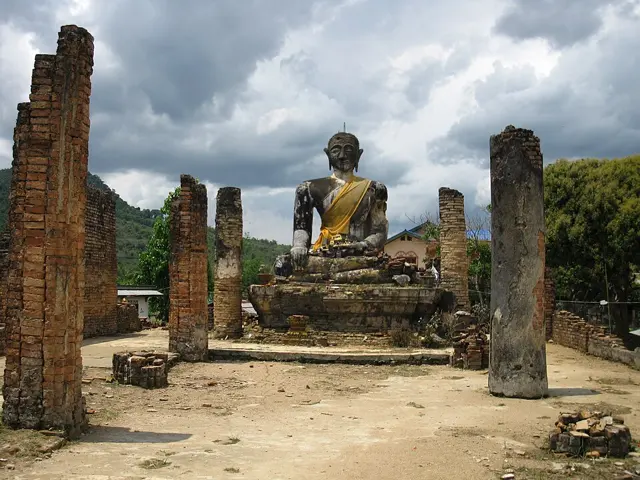
Ban Napia is a village where residents melt down war scrap and cast it into spoons and other everyday items. It is a powerful illustration of how people have adapted to the aftermath of war, and buying something there supports the community. Muang Khoun, the old provincial capital, has the remains of ancient stupas. If you would like to see it, check whether your tour includes it.
Plain of Jars Sites 1, 2, 3, Trek and War Scrap Village
Price Check latest price
Check the latest price on the booking pageSuits anyone wanting a full day that combines the jar sites and the war scrap village in one booking.
See the full-day tourPhonsavan 2-Day Private Jars and UXO Tour
Price Check latest price
Check the latest price on the booking pageWith two days available and a preference for a private guide throughout, this goes deeper than a single-day tour.
See the two-day private tourIs the Plain of Jars worth the detour? Who should go and who should skip it
The jars are not on the main railway corridor, so coming here adds at least two or three days to a Vientiane, Vang Vieng and Luang Prabang trip. Before you commit, be honest about what you want from your holiday. Travellers who love history, archaeology and high, open landscapes tend to rate it as a highlight of Laos. Anyone hoping for cafes, waterfalls or adrenaline will probably get more from the same days in Vang Vieng or Luang Prabang.
| If you are | Our advice | Read next |
|---|---|---|
| Into history and the Secret War | Come, and visit COPE first | COPE in Vientiane |
| Collecting World Heritage sites | Come, and pair it with Luang Prabang and Wat Phou | Luang Prabang |
| In Laos for under a week | Skip it this time and stay on the rail line | 7-day Laos plan |
| Travelling with young children | Possible if you fly, with close supervision on the paths | Where to stay in Laos |
| After water and activities | Vang Vieng is a better match | Vang Vieng adventures |
| Prone to carsickness and not flying | Think twice, as the road winds the whole way | How to get to Laos |
What you will actually see
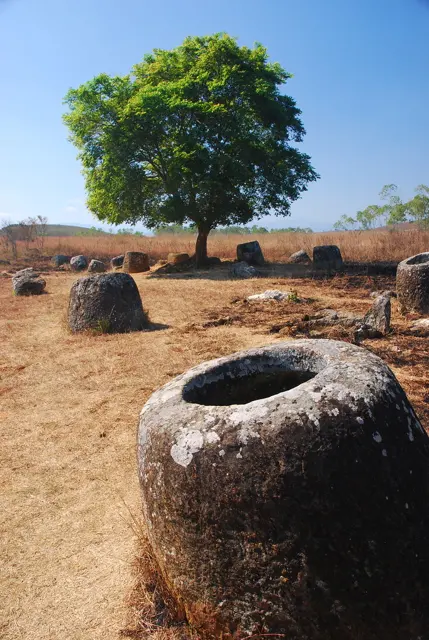
Do not expect landscaped gardens or a grand museum. For the most part you are walking across grassland and low hills dotted with groups of stone jars. Some have toppled, some have cracked, and some hold rainwater. The appeal lies in the silence, the sheer size of a jar when you stand next to it, and the sight of bomb craters only a few paces from objects that have sat here for a very long time. A good guide will explain how the groups differ and why some areas remain off limits.
How to behave at a World Heritage site
- Do not climb, sit or stand on the jars, however good the photo might be.
- Do not scratch, write on or peel moss from the stone, and leave loose fragments where they lie.
- Do not drop litter into jars or craters.
- Ask before photographing villagers or their homes.
- Fly a drone only with permission from site staff. If in doubt, leave it in your bag.
Getting good photos
The best light comes early in the morning and late in the afternoon, when the jars throw long shadows and the texture of the stone stands out. At midday the light is harsh and the plain looks flat. To show scale, have a companion stand beside a jar while staying on the path. Cool-season mornings can bring a thin mist that adds plenty of atmosphere, though you may need to wait for it to burn off.
If you have the choice, start at Site 3 or Site 2 in the morning and finish at Site 1 late in the afternoon. You avoid the mid-morning tour groups and get evening light across the open plain. Ask your guide whether the order can be changed.
Plain of Jars Day Trip
Price Check latest price
Check the latest price on the booking pageWorks well if your time in Phonsavan is limited but you still want to see the jars with a guide in a single day. Read the list of stops before you book.
With more time, compare the two-day private tour.
A three-day, two-night Plain of Jars itinerary
- Day one: fly or drive to Phonsavan, check in, visit the MAG centre and find dinner in town
- Day two, early: head out to Site 1 while it is cool
- Day two, late morning: Site 2, then lunch
- Day two, afternoon: Site 3 and a stop at Ban Napia
- Day two, evening: back to town to rest
- Day three: return to Vientiane or continue to your next stop
If you are short of time
Take a morning flight in, book a half-day visit to Site 1 and fly out the following day. It is the shortest trip that still lets you see the real thing, but a delayed flight would upset the whole plan, so keep at least half a day in reserve.
Where to stay in Phonsavan
The town is not large, and most guesthouses and hotels line the main road near restaurants and tour pickups. Look for a room with hot water and enough blankets, because mornings and nights in the cool season get properly cold. If you are travelling in December or January, pack a warm jacket. For a wider view of accommodation across the country, see where to stay in Laos.
What to bring
- Closed shoes suitable for walking on rough ground
- A windproof or light warm layer, particularly from November to February
- A hat, sunglasses and sunscreen, as the plains have no shade
- Small kip notes for each site's entry fee and for food
- Motion sickness tablets if you are coming by road
- Drinking water and snacks
Food in Phonsavan is simple. Look for noodle soups and grilled dishes around town, and ask your guesthouse what is good nearby. The choice is smaller than in Vientiane or Luang Prabang, so it pays to sort out dinner early on your arrival evening after a long journey.
Plain of Jars Private Tour
Price Check latest price
Check the latest price on the booking pageIf you would like to follow this plan with your own car and guide, a private tour can adapt the order to the weather and your group's energy.
See private Plain of Jars tourFrequently asked questions
Where is the Plain of Jars?
Around the town of Phonsavan in Xieng Khouang Province, northern Laos. The main visitor areas are Sites 1, 2 and 3.
How many days do I need?
Two nights works well, with one full day for Sites 1, 2 and 3. If you are arriving by road, add another night.
How do I get from Vientiane to Phonsavan?
Fly in about 30 to 40 minutes, or take a bus for roughly 10 to 13 hours over mountain roads. If your time is limited, fly.
Is the Plain of Jars safe?
The main sites have cleared, marked paths and are safe when you stay on them. Never cut across fields or touch metal objects.
How much does entry cost?
Each site charges separately in kip, and rates can change. Bring small notes and check the board at the ticket point, or choose a tour that includes entry.
Which site should I see if I only have time for one?
Site 1. It has the most accessible concentration of jars, visitor facilities and the easiest walking.
What is the best time of year?
Roughly November to April is dry. December is the coldest month, so bring a jacket. In the rainy season paths get muddy and journeys take longer.
Can I visit without a tour?
Yes, by hiring a car in town. The three sites are spread out, so a tour or a car with a guide is usually better value and safer.
Is the MAG centre in Phonsavan free?
Yes, entry is free and donations are welcome. Allow about an hour and visit before you see the jars. Ask locally about current opening hours.
Where the facts come from
- Lao Tourism: Plain of Jars
- Plain of Jars Archaeological Project: site register
- COPE: Visit Us
- MAG: Laos visitor centres
- Discover Laos Today: MAG UXO Visitor Information Centre, Phonsavan
- UK FCDO: Laos safety and security
- UK FCDO: Laos regional risks
- France Diplomatie: Laos travel advice (15 Sep 2026)
- ASEAN tourism: when to go to Lao PDR
Keep planning
 VientianeTemples, Buddha Park and the riverside market, with half-day and full-day tours
 Vang ViengHow long to stay, viewpoints, balloons, Tham Chang and getting from the station
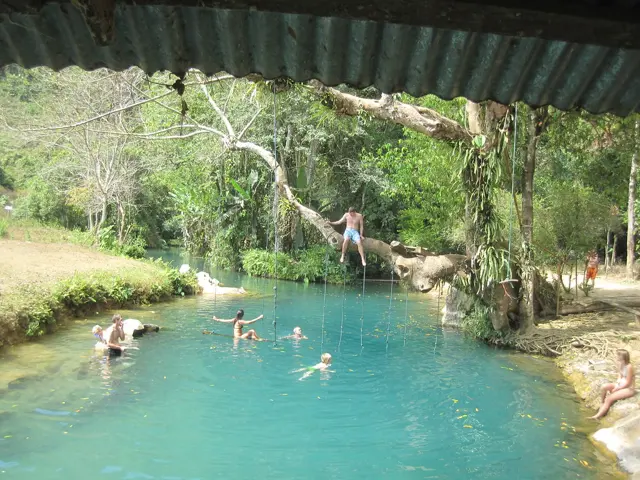 Vang Vieng AdventuresChoose the right lagoon, kayak, cave tubing and zipline day for your group
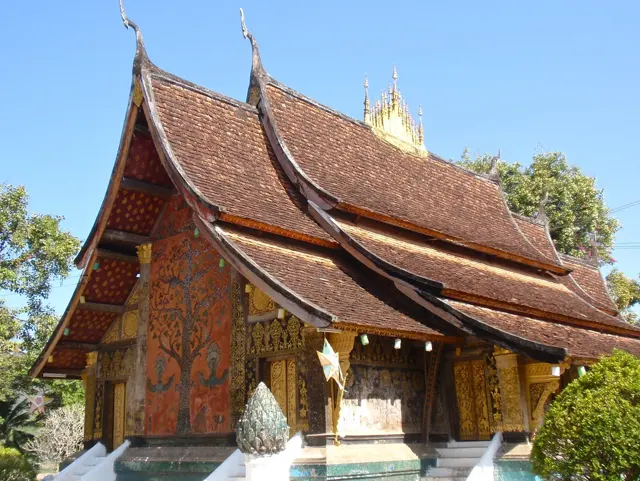 Laos trip plannerCompare Vientiane, Vang Vieng, Luang Prabang and Pakse before booking a night
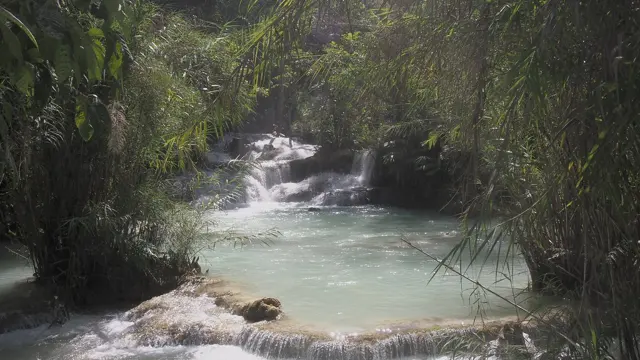 Laos in 7 daysA rail week from Vientiane to Luang Prabang, with southern and rainy-day options
 Thailand to LaosCompare borders, trains, buses and flights, plus entry rules for each crossingLaos-China RailwayHow to buy tickets, current fares, stations and the Khamsavath transfer
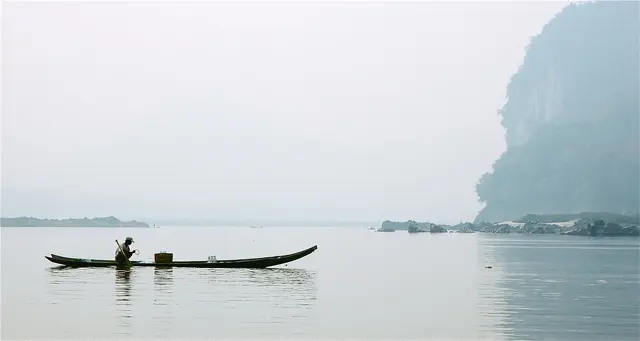 Luang PrabangHow many days, where to base yourself and how to arrive smoothly
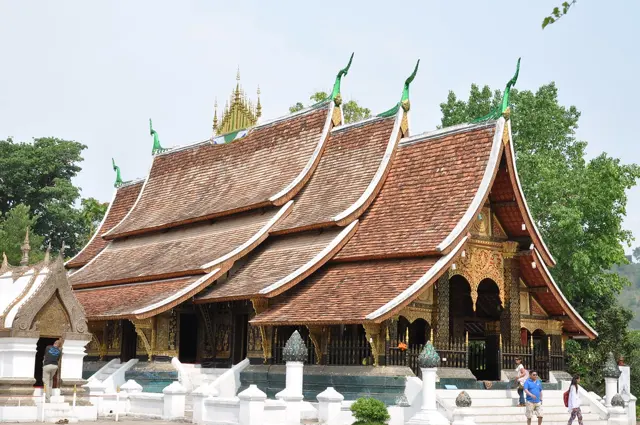 Luang Prabang TemplesNew entry fees, opening hours and a walking order for one day
 Luang Prabang Day TripsChoose Kuang Si, Pak Ou or Tad Sae and the best way there
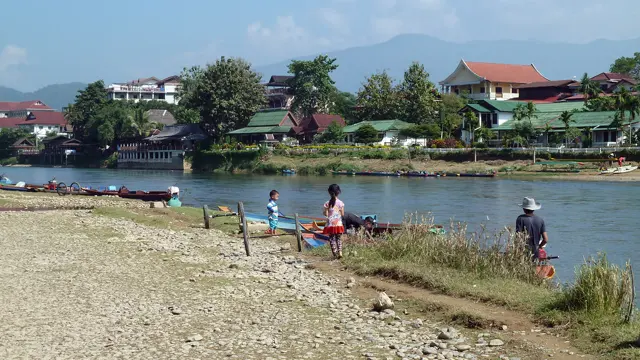 Where to Stay in LaosPick the right area in Vientiane, Luang Prabang, Vang Vieng and Pakse
 PakseThe base for southern Laos: where to stay, routes and day trips
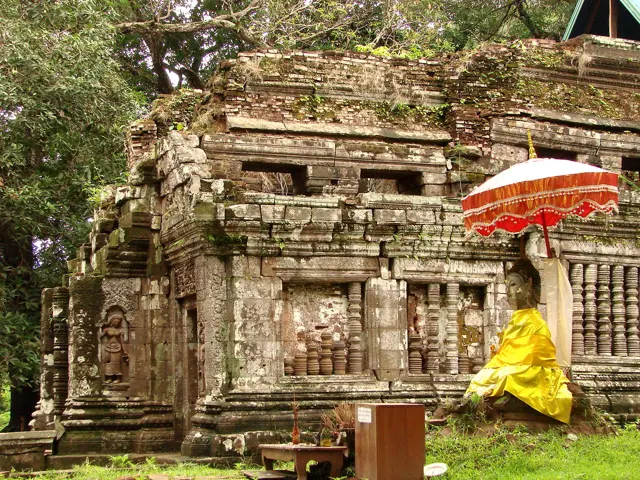 Vat Phou and ChampasakA riverside World Heritage temple, by tour or independently, with overnight options
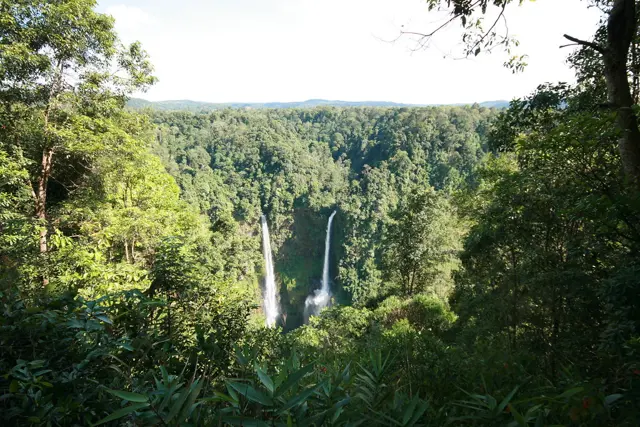 Bolaven and 4,000 IslandsWaterfalls, coffee farms, Mekong islands and how to route them
 Laos dealsTours, transport, rail and eSIMs sorted by the decision you face