By AsiaRoamer Editorial Team · Last checked
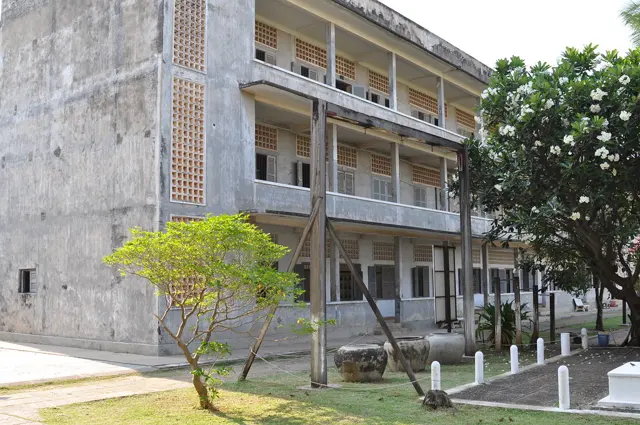
These two places are not tourist attractions in the ordinary sense. Tuol Sleng was a high school before it became the S-21 security prison. Choeung Ek, outside the city, is a killing field and mass grave site. People come to acknowledge what happened, to remember those who died and to better understand the Cambodia of today.
This page explains what to know before you go: hours, fees, transport, how to look after yourself, and what to consider if you are traveling with children. Details were checked on 24 November 2026. For the Choeung Ek entry fee, ask at the ticket desk on the day of your visit.
We earn a commission if you book through our links. The price you pay does not change. How we choose
Before you go: what these sites are and whether to visit
Safety advice as of 24 November 2026: Thailand's Ministry of Foreign Affairs (Consular Department) asked Thai nationals without an essential reason to refrain from travel to Cambodia in its notice of 9 December 2025, and the UK government (FCDO) advises against all but essential travel within 20 km of the Thai land border, where mines and unexploded ordnance remain. Land crossings between Thailand and Cambodia remain suspended. Read check before you travel before booking, and choose terms you can cancel or change.
| Tuol Sleng (S-21) | A former school used as a prison and torture center, in the city's BKK3 district |
|---|---|
| Choeung Ek | A killing field and mass grave site south of the city, with a memorial stupa |
| Time needed | About 1.5 to 2 hours each; close to half a day with travel |
| Usual order | Choeung Ek in the cooler morning, then back to Tuol Sleng, or the reverse depending on your transport |
| Content | Photographs of victims, cells, instruments of torture and human remains in the stupa |
| Children | Not suitable for young children. Parents should weigh age and readiness |
Nobody is obliged to visit. If you have recently experienced a loss, live with trauma, or simply do not feel ready for graphic material, choosing not to go is a perfectly sound decision. You can still learn about this history through books, documentaries or the National Museum, and you can still show it respect.
| Question | Tuol Sleng | Choeung Ek |
|---|---|---|
| Where is it? | In the city, Street 113, BKK3 | Outside the city to the south |
| What is the walking like? | Indoors across several floors | Outdoors along set paths |
| Audio guide | USD 5 for non-Cambodians | Available; check the price at the ticket desk |
| Nature of the content | Portraits of prisoners and cells | Mass graves and remains in the stupa |
| What to bring | Water, and time to rest afterward | Hat, water, closed shoes |
Set aside a morning with nothing else booked, and keep the afternoon free to rest. Avoid scheduling a show, a bar or anything celebratory for the same day.
Many visitors say they wish they had given these sites more time than they planned. The audio guides are long and thoughtful, and the experience does not fit neatly between other activities. If your stay in Phnom Penh is short, it is better to do one site with care than to hurry through both on the way to somewhere else.
Tuol Sleng Genocide Museum (S-21): visitor information
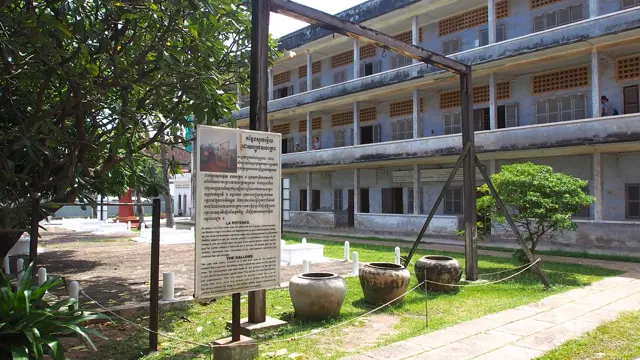
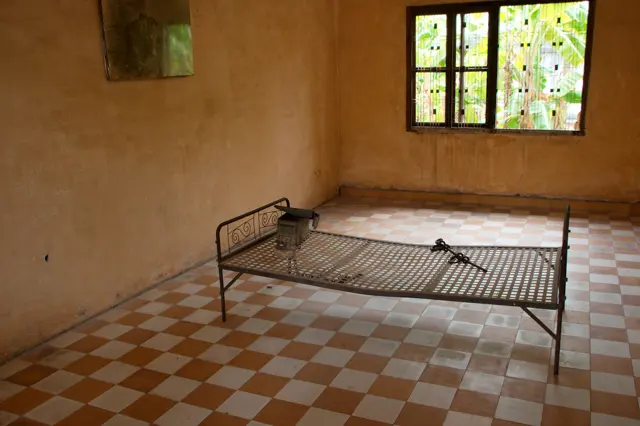
Tuol Sleng was a secondary school. After the Khmer Rouge took the city in 1975, its classrooms were turned into a detention and interrogation center, and many of those held here were tortured before being sent to their deaths. The buildings are now preserved as a museum. Former classrooms still contain small brick and wooden cells, and the walls are lined with photographs of the faces of those who were imprisoned.
| Open | Every day, including public holidays, 08:00 to 17:00 |
|---|---|
| Foreign adults (18+) | USD 5 |
| Foreign children 10 to 17 | USD 3, proof of age required |
| Children under 10 | Free, proof of age required |
| Audio guide | USD 5 for non-Cambodian citizens |
| Guide | By voluntary contribution |
| Payment | Cash only, in riel or US dollars |
| Address | Street 113, Boeung Keng Kang III, Phnom Penh |
How to move through the museum
- Pick up the audio guide at the ticket desk. The narration lets you understand what you see without having to read every panel.
- Begin at the first building and follow the order, since the exhibits build the story step by step.
- Stop in the central courtyard if you feel tightness in your chest or dizziness. You do not need to see every room.
- Read the stories of survivors and prisoners, so that you remember them as individuals and not simply as numbers.
- Before you leave, give yourself a moment before stepping back into the busy street.
The museum displays photographs of the dead and images depicting torture. If it becomes too much, step out to the courtyard at any time. No one will judge you.
Check which languages the audio guide offers before you pay, or come with a guide who can explain the site in a language you are comfortable with. Knowing the background before you walk in makes the visit far more meaningful than simply looking at the images on the walls.
Give yourself time on the upper floors, where the narrow cells and the barbed wire on the walkways make the reality of the place very clear. Move quietly, as other visitors around you may be deeply affected, and some may have a personal connection to what happened here.
Choeung Ek Genocidal Center: visitor information
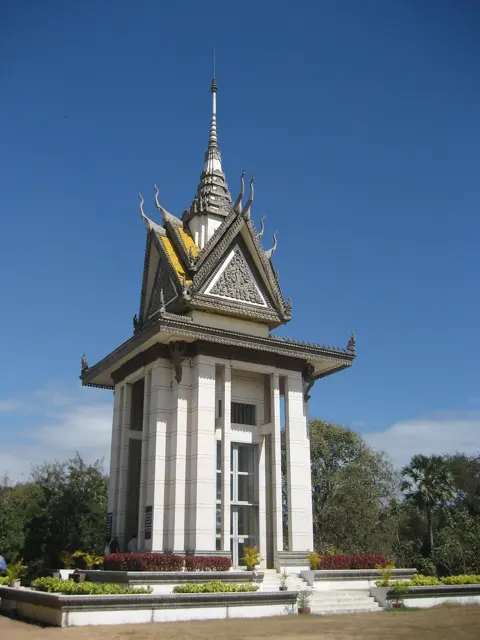
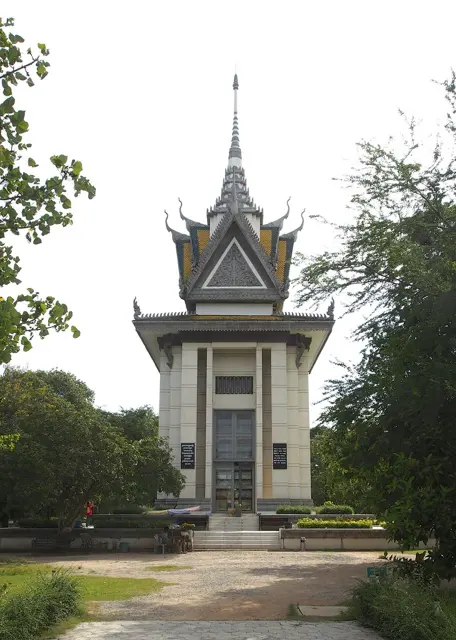
Choeung Ek is among the best known of Cambodia's killing fields, and many prisoners from Tuol Sleng were brought here to be killed. Today the site is quiet, with walking paths, excavated mass graves, markers at key points and a memorial stupa that holds the skulls and bones of victims so that people can pay their respects.
| Time needed | About 1.5 to 2 hours |
|---|---|
| Admission and audio guide | Prices can change, so check at the ticket desk on the day and carry small notes in cash |
| Opening times | Come in the morning and confirm the closing time with your hotel or driver before you set out |
| Audio guide | Available in many languages, with survivor testimony. This is the recommended way to visit |
| Dress | Cover shoulders and knees, and wear closed shoes for walking on earth |
| Location | South of the city; you will need transport |
What to know before you walk
- Stay on the marked paths. After rain, fragments of bone or clothing can still surface. Do not touch or collect anything
- Remove your hat and shoes where signs ask you to, including at the stupa
- Do not take selfies or pose for photos, and do not photograph remains in a disrespectful way
- Speak softly, or not at all, while listening to the audio guide
- The grounds are exposed and hot, so carry water and a hat and rest in the shade from time to time
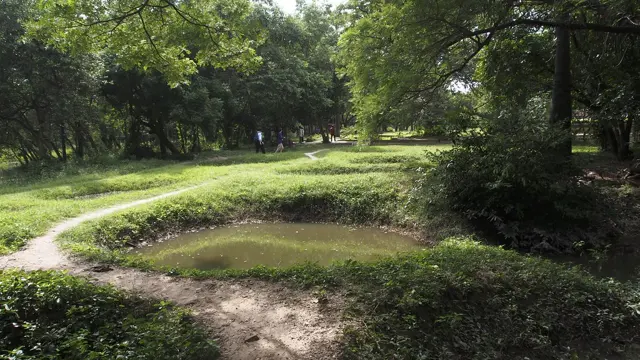
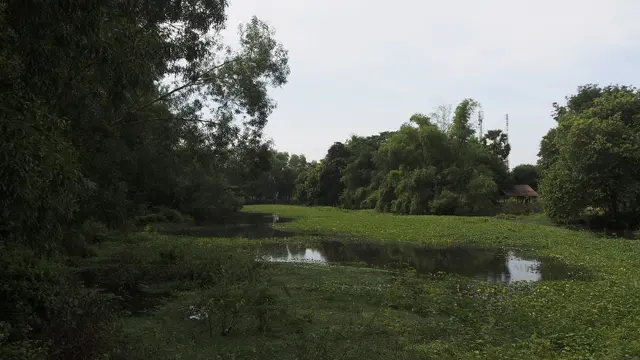
Many people say it is the silence here that stays with them most. If you have time, walk slowly around the water and sit for a while before returning to the stupa. Leaving flowers or lighting incense at the places provided is an appropriate way to show respect, but it is not expected of you.
How to get to Tuol Sleng and Choeung Ek
Tuol Sleng is in the city and easy to reach by app. Choeung Ek is outside town, and traffic can be heavy in the morning and evening. The most comfortable arrangement is one vehicle that waits for you at both sites, because after a visit like this few people want to stand on a roadside negotiating a ride.
| Option | Best for | Advantage | Keep in mind | Book |
|---|---|---|---|---|
| Private half-day tour | Couples, families, anyone wanting their own pace | Driver waits, no route planning | Check whether admission is included | |
| Group bus tour | Solo travelers | Lower cost than a private car | Fixed time at each stop | |
| Ride-hailing app | People comfortable with apps | Pay by distance | Return rides from Choeung Ek can be hard to find, so ask the driver to wait | Book in the app |
| Hired tuk-tuk | Mid-range budgets | Flexible | Hot and dusty on the road | Ask your hotel |
Phnom Penh S-21 and Killing Fields Half-Day Private Tour
Price Check latest price
Check the latest price on the booking pageA car and driver stay with you throughout, so you can spend as long as you need at each site. Check what is included on the booking page.
A similar speedboat tour is on both Klook and KKday.
Phnom Penh Killing Fields and Prison S21 Bus Tour
Price Check latest price
Check the latest price on the booking pageSuits solo travelers who prefer not to arrange transport. Check the departure time and how long you have at each stop on the booking page.
A similar speedboat tour is on both Klook and KKday.
Before booking, see how much time a tour allows at each site. Less than an hour is likely to feel rushed in a place like this.
If you are staying near the riverfront, allow enough time to reach Choeung Ek in the morning and return to Tuol Sleng before late afternoon. If you land at Techo Airport, south of the city, check in at your hotel first rather than trying to visit a memorial straight off the plane with your luggage.
Etiquette and dress at the memorials
Everyone who comes here should remember that these are grave sites and places of pain for a great many Cambodian families. Some of the people walking beside you may have lost relatives here. Quiet, simple behavior is the best form of respect you can offer.
- Dress modestly with shoulders and knees covered, and avoid clothing with jokes or provocative slogans
- Silence your phone, and do not play videos or livestream on site
- Do not take selfies, smile for posed pictures or use images from here as entertainment
- Follow all no-photography signs, especially near pictures of victims and in exhibition rooms
- Do not climb fences, touch displays or step on grave areas
- Do not bring food or alcohol into the grounds
- If you meet a survivor or a bookseller on site, speak politely and do not press for painful personal details
Tensions between Thailand and Cambodia remain high. Avoid debating politics or the border dispute at these sites, and in Cambodia generally, and keep conversations respectful.
Survivors have sometimes been present at Tuol Sleng, selling their memoirs and speaking with visitors. If you meet one, a quiet greeting and buying a book directly from them is a meaningful gesture. Ask before taking a photo, and accept a refusal gracefully.
Can you bring children, and how to look after yourself
Children under 10 enter Tuol Sleng free, but being allowed in does not mean it is appropriate. The images and stories here are extremely graphic. Young children are unlikely to understand them and may be frightened. A better approach is for one adult to take the children elsewhere while the other visits.
| Age | Our advice | Alternative |
|---|---|---|
| Under 10 | We do not recommend entry | The National Museum, or the hotel pool |
| 10 to 13 | Decide child by child and explain first | See only some areas and skip the most graphic rooms |
| 14 to 17 | Can visit if ready, with an adult | Talk it through afterward |
Looking after yourself before and after
- Eat and drink before you go, because heat and heavy content together are exhausting
- Go with someone you can talk to, or tell someone close to you where you will be
- Give yourself permission to stop, step outside or skip parts of the visit
- Plan quiet time afterward, such as a cafe, a walk by the river or a rest at your hotel
- If you still feel unsettled after returning home, talk to someone close to you or a mental health professional
For teenagers, a short conversation beforehand makes a real difference. Explain in plain terms what happened, what they are likely to see and that they can leave at any point. Afterward, ask what stayed with them instead of assuming how they feel. Some young people process this kind of visit quietly and may want to come back to it days later.
An unhurried half-day plan
This plan suits travelers with one morning who want to visit both sites without rushing. Adjust the timing for your hotel and the traffic. Starting at Choeung Ek makes sense because it is outdoors, and you then return to the city for Tuol Sleng, which is under cover.
| Approximate time | What to do | Notes |
|---|---|---|
| 07:30 | Leave your hotel | Have breakfast and bring water |
| 08:30 to 10:00 | Choeung Ek | Take the audio guide, follow the stops, finish at the stupa |
| 10:00 to 11:00 | Return to the city | Rest in the car; there is no need to talk |
| 11:00 to 12:45 | Tuol Sleng | Bring cash for tickets |
| 13:00 onward | A light lunch and rest | Leave the rest of the day unplanned |
If you have more time, split the visit: Choeung Ek one morning, a long break, and Tuol Sleng on another day, so you have space to absorb each one. The following day is a good time for the Royal Palace and National Museum, or for moving on.
If you only have one day in the city and want to see both the sights and the memorials, consider choosing one and doing it properly instead of racing through everything.
What you will see, so you can prepare
Much of the shock comes from not knowing what lies ahead. A rough idea of the sequence helps you decide where to pause and what to skip. The table below avoids graphic detail, so you can make that choice before you buy a ticket.
| Area | What you will see | If you are not ready |
|---|---|---|
| Tuol Sleng, first building | Rooms with iron beds and photographs of how they were found in 1979 | Go straight to the courtyard |
| Tuol Sleng, portrait rooms | Many photographs of prisoners, including women and children | Walk through slowly or leave by the nearest exit |
| Tuol Sleng, cells | Classrooms divided into tiny cells | Viewing from the doorway is enough |
| Tuol Sleng, upper floors | Walkways still enclosed with barbed wire | Stay on the ground floor |
| Choeung Ek, paths | Excavated pits and markers describing events | Listen to the audio guide in the shade |
| Choeung Ek, stupa | Shelves holding the skulls and bones of victims | Pay your respects from outside |
There is no correct way to feel here. Some people cry, some feel numb, and some only feel the weight of it once they are back at their hotel. All of this is normal. If you are visiting as a group, agree on a meeting point in advance so each person can move at their own pace without waiting for the others.
What to carry that day
- Small US dollar notes or riel, because Tuol Sleng takes cash only
- Drinking water and a small snack to have outside the memorial grounds
- Your own earphones if you prefer, and a fully charged phone
- A hat, a compact umbrella and a light layer that covers your shoulders
- Tissues or a handkerchief
- A small bag that closes fully, worn in front of you when walking near the road
How to choose a tour or driver for these sites
For these two places, the best tour is not the one that fits in the most stops. It is the one that gives you enough time and does not hurry you. Before you book, read the details on the booking page and check the following.
- How long do you get at each site? Look for at least an hour or so.
- Are admission and the audio guide included? If not, bring cash.
- Does it pick you up at your hotel, or do you meet at a set point?
- What language does the guide speak, and do they stay with you or wait outside?
- Are there shopping stops or other detours? If so, choose one without them.
- How late can you cancel if your plans change?
If there are two or more of you, a private car often works out better than you might expect, since you can choose when to leave and stop whenever you need to. If you are alone and watching your budget, a group tour solves the problem of getting back from Choeung Ek, though you will have to accept its timings. If you know you will want to linger, go private.
Phnom Penh Private Tour Tuol Sleng and Choeung Ek Killing Field
Price Check latest price
Check the latest price on the booking pageA private tour built around these two sites, for travelers who want to set their own pace. Check the timing and inclusions on the booking page.
A similar speedboat tour is on both KKday and Klook.
Phnom Penh: Discover Toul Sleng and Choeung Ek Genocide Museum
Price Check latest price
Check the latest price on the booking pageSuits travelers who want the transport to both sites arranged for them. Read how long you have at each stop before you book.
A similar speedboat tour is on both KKday and Klook.
Want to understand more? Where to begin
A little reading before you go will help you make sense of what you see. Start with a short history of 1975 to 1979, when the Khmer Rouge emptied the cities and abolished money, schools and religion. A vast number of people died from execution, starvation, disease and forced labor.
Museum shops often sell memoirs by survivors, and buying them on site is a good way to learn. If reading in English is difficult, spend your time with the audio guide and the information panels, or hire a local guide, some of whom share their own family's experiences. Listen to them with respect.
After visiting, many people want to see the living side of Cambodia today, such as the work of young artists in Battambang or the performances by young Cambodians in Siem Reap, which grew out of the country's recovery after the war. It can be a meaningful way to end a trip, because it shows the resilience of the people.
You may also want to read about how the country has dealt with this period since, including the tribunal that tried senior Khmer Rouge leaders and the ongoing work of documenting what took place. Understanding that effort helps explain why these memorials are preserved so carefully, and why your conduct as a visitor matters to the people who look after them.
Frequently asked questions
What time does Tuol Sleng open?
It is open every day, including public holidays, from 08:00 to 17:00.
How much is Tuol Sleng?
Foreign adults pay USD 5, ages 10 to 17 pay USD 3, and under 10s are free with proof of age. The audio guide is USD 5, and payment is cash only.
How much is Choeung Ek?
Prices can change, so check at the ticket desk on the day and carry small US dollar notes. If you go with a tour, see whether the booking page includes admission.
Which should I visit first?
Many people go to Choeung Ek in the morning because it is outdoors, then return to Tuol Sleng in the city. You can reverse the order to suit your transport.
How long do the two sites take?
Allow about 1.5 to 2 hours at each, which comes to nearly half a day with travel.
Can I bring children?
We do not recommend it for young children, as the content includes images of the dead and accounts of torture. Teenagers should be considered individually, with an adult explaining before and after.
What should I wear?
Cover your shoulders and knees, wear closed shoes suitable for walking on earth, and avoid clothing with jokes or slogans.
Can I take photos?
Follow the signs at each site. Do not take selfies or pose, and do not photograph victims or remains in a disrespectful way.
Do I need to book ahead?
You can buy tickets on arrival. If you want a car and driver waiting for you throughout, it is easier to book a private tour in advance.
Does Tuol Sleng take credit cards?
No. Admission and the audio guide are cash only, in riel or US dollars, so bring small notes with you.
Where the facts come from
- Thai Department of Consular Affairs notice, 9 Dec 2025
- UK FCDO Cambodia travel advice
- UK FCDO Cambodia safety and security
- Tuol Sleng Genocide Museum official site
- Techo International Airport transport
- Techo International Airport public transport
- Phnom Penh City Bus Airport Express
- National Museum of Cambodia visitor information
Keep planning
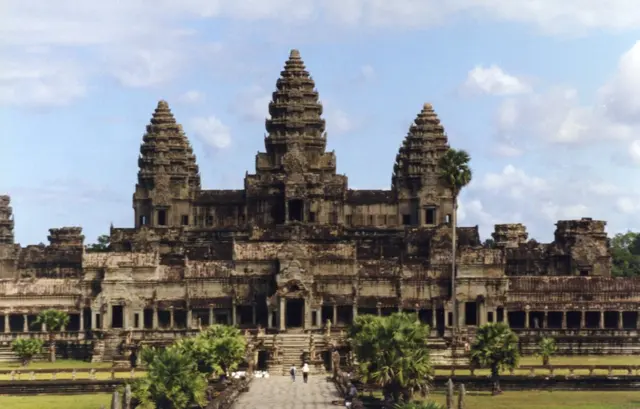 Angkor WatPick the right pass, sunrise plan, dress code and tour for your time
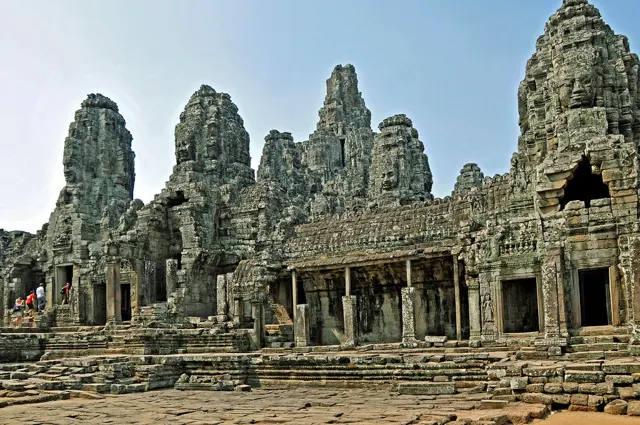 Small and Grand CircuitsOrder Bayon, Ta Prohm, Preah Khan and sunset stops into one smooth day
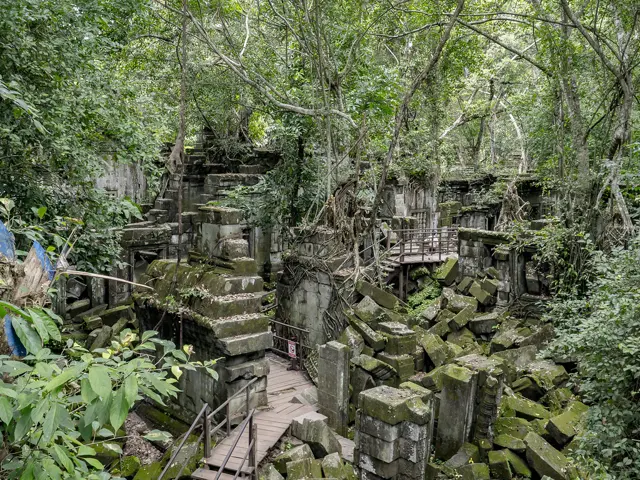 Outer Angkor TemplesBanteay Srei, Beng Mealea and Koh Ker: tickets, drive times and tours
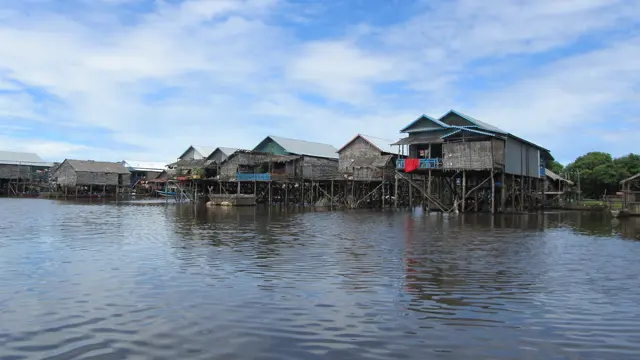 Siem Reap Day TripsTonle Sap, Phnom Kulen, Roluos and the Landmine Museum, matched to your day
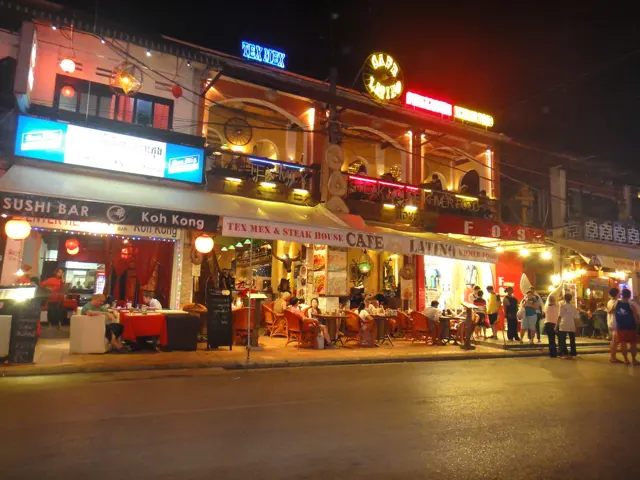 Siem ReapWhere to base yourself, how to get around, and which evening show to book
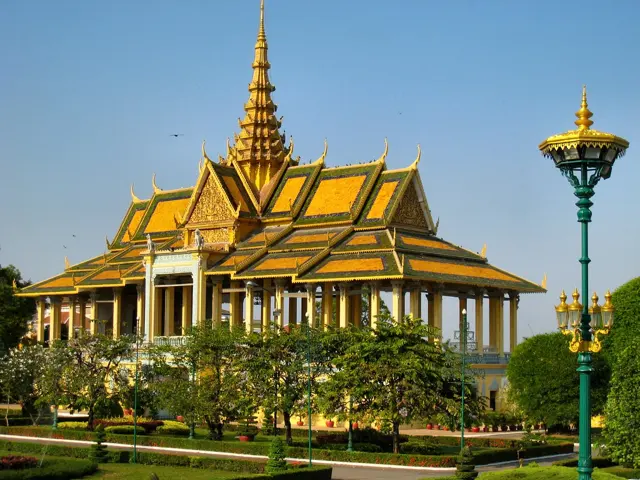 Phnom PenhPalace, museum, markets and the transfer from Techo airport, planned day by day
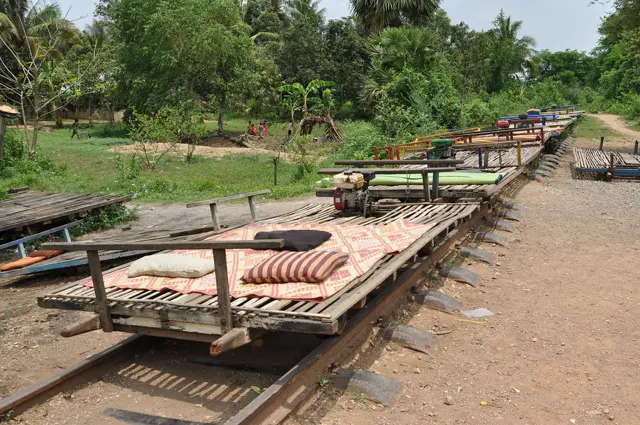 BattambangBamboo train, Phnom Sampeau, wild bats at dusk and the student circus
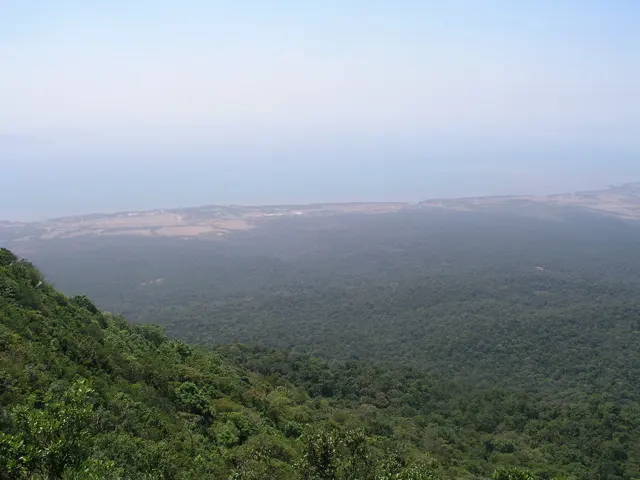 Kampot and KepBokor Mountain, pepper farms, Kep crab and the best tours to book
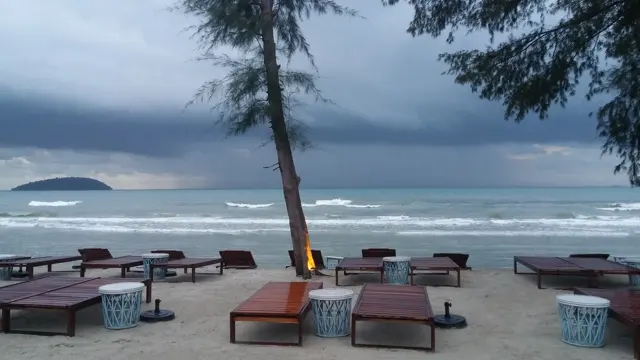 Sihanoukville and Koh RongChoose your island and beach, book the ferry, and plan a weather buffer
 Getting to CambodiaFlights, airport transfers, intercity transport and eSIM choices in one place
 Entry and SafetyCurrent border advice, visas, e-Arrival and the emergency numbers to save
 Cambodia travel guideCheck official advice, choose cities and trip length, then book in order7-day Cambodia planSiem Reap to Phnom Penh day by day with backup plans
 Where to stayThe right neighborhood in Siem Reap, Phnom Penh, Kampot and islands
 Cambodia dealsAngkor tours, airport rides, eSIMs and popular activities compared