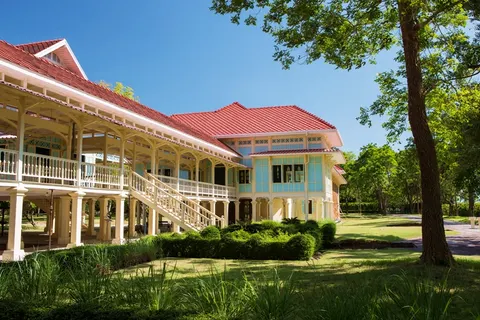
Most visitors come to this stretch of coast for the beach, the markets and the water parks, and few give a morning to the one place that shows how the royal family once holidayed here. Maruekhathaiyawan Palace is a group of teak halls painted cream and pale blue, with red tile roofs, raised on stilts just above the shoreline and joined by long covered walkways. Lawns, big old trees and sea breeze surround them. It is quiet, shaded and photogenic, and it costs very little to enter.
This page covers what you need before you go: the days and hours the public can enter, every ticket type, how the upper floor differs from the ground floor, the dress code, the checkpoint where you need ID, photo rules, a short history, what to look at, how to get there from Hua Hin, Cha-am and Bangkok, the best time, a half-day plan, tips for children and older visitors, rainy days and the mistakes people make. The palace is open only three days a week, and the days have changed before, so check the palace Facebook page or call +66 3250 8444 before every trip.
We earn a commission if you book through our links. The price you pay does not change. How we choose
Quick facts before you go
| Days open to the public | Friday, Saturday and Sunday. Thursday is for school and university groups that book ahead. Monday to Wednesday the palace does not take general visitors |
|---|---|
| Hours | Opens about 09:00 and closes about 16:00 to 17:00. Arrive before 15:00 if you want the upper floor |
| Entry (ground floor and gardens) | 90 baht, the same for Thai and foreign adults |
| Upper floor with a guide | About 316 baht, with a herbal drink, or about 916 baht with a tea set at the palace tea room |
| Students | University students about 60 baht, secondary students about 30 baht. Older visitors, monks and visitors with special needs give a donation of their choice |
| Time needed | About 1.5 to 2 hours for the ground floor and gardens. Add about 1 hour for the upper floor |
| Dress code | Cover shoulders and knees. No sleeveless tops, shorts or short skirts. Wraps are often lent at the entrance |
| ID | The palace is inside a Border Patrol Police camp with a checkpoint. Carry your passport, ID card or driving licence, the original |
| Location | Phet Kasem Road, about km 216 to 217, inside Phra Ram 6 camp. About 15 km north of Hua Hin and about 10 km south of Cha-am |
| Getting there | 20 to 30 minutes by car or taxi from Hua Hin or Cha-am. No train reaches the gate |
| Contact | Tel +66 3250 8444, or the Facebook page Mrigadayavan Palace |
If your days are flexible, go on a Friday morning. The wooden walkways are narrow and echo, so a quiet hour makes walking easier and photos cleaner. Saturday and Sunday are when Thai families visit in the largest numbers, because there are only three open days.
Entrance fee: the same price for every nationality
Entry is officially a donation rate. Thai and foreign adults pay the same 90 baht for the gardens and the ground floor of the halls. To go upstairs you buy a separate, higher-priced ticket and join a guided round. The money goes to restoration and conservation, and there is no separate foreigner price, so you will not pay more because of your passport.
| What you see | Price | Notes |
|---|---|---|
| Gardens and ground floor | 90 baht | Thai and foreign adults pay the same. Walk the route on your own |
| Upper floor with a guide | About 316 baht | Includes a herbal drink. Visits run in rounds with a guide who explains the rooms |
| Upper floor with a tea set | About 916 baht | Guided visit, then one tea set at the palace tea room |
| University students | About 60 baht | Carry a student card |
| Secondary students | About 30 baht | Carry a student card |
| Young children, older visitors, monks, visitors with special needs | Donation of your choice | Ask at the counter whether you need to show a card |
Bring cash, preferably small notes. The prices can be adjusted by the palace, so ask at the ticket counter what each ticket covers before you pay.
Is the upper floor worth it?
The gardens and ground floor are what most visitors photograph, and they cost very little. If you have only an hour, or dislike following a group, the 90 baht ticket gives you most of the pictures. The upper rooms are what make sense of the place: the bedchamber, the study, the Western-style bathroom and the stories a guide tells about each one. A round takes about an hour. If you like old rooms and stories, the 316 baht ticket is clearly better value than the 90 baht one. The 916 baht ticket suits people who want to sit down with tea in that setting anyway. If you do not drink tea, you do not need it.
Good to know about the upper floor: you enter in guided rounds, you climb wooden stairs, and there are limits on photos (see the rules section). Parts of the palace are closed from time to time for restoration, so the rooms open to visitors may differ from what is described here. Ask at the counter whether the upper floor is open on your day.
Days and hours: Friday to Sunday only
The palace now opens to the general public only on Friday, Saturday and Sunday, from about 09:00 and closing about 16:00 to 17:00. On Thursday it takes only school and university groups that have notified the office in advance. From Monday to Wednesday it does not take general visitors. If your free days fall early in the week, this palace will not fit that trip.
- Check the Facebook page Mrigadayavan Palace, or call +66 3250 8444, before you set out. Opening days and restoration closures have changed before.
- Arrive around 09:00 to 09:30 to walk before the sun is strong and before the tour groups. The guided rounds upstairs tend to be freer in the morning.
- If you want the upper floor, arrive before 15:00. A guided round takes about an hour, and the gardens and ground floor need time too.
- Public holidays, ceremonies or restoration work can change the usual hours. If one falls on your travel day, call first.
That makes a weekend the best fit. Do the palace on Saturday or Sunday morning, then Cha-am or Hua Hin in the afternoon. If you are staying several nights and want fewer crowds, keep Friday for the palace.
Dress code and the checkpoint at the entrance
This is a royal residence, so the dress rules are the same as at temples and palaces: cover shoulders and knees, men and women alike. Sleeveless tops, camisoles, very short shorts, short skirts and beachwear are not accepted. A wrap is often lent at the entrance to anyone underdressed, and you can tie it over your clothes, but do not count on it. It is much more comfortable to bring thin long trousers or a skirt below the knee and a top with sleeves from your hotel.
| Wear | Avoid |
|---|---|
| Tops with sleeves, a thin shirt, a light cardigan | Sleeveless tops, camisoles, tube tops, see-through tops |
| Long trousers or a skirt below the knee, cotton or linen | Shorts, short skirts, heavily ripped jeans |
| Trainers or sandals that slip off easily | High heels or stilettos that catch in the wood |
| A hat and sunglasses for the open-air parts | Swimwear, towels, beach clothes |
The palace sits inside a Border Patrol Police camp, so the entrance has a checkpoint. Carry your passport, ID card or driving licence, the original, and hold it ready to show the officer. If you take a taxi, tell the driver before you set out that you will stop at the checkpoint. If you are travelling with a foreign friend, the original passport is the safest option. A photo of the passport page on a phone may not be accepted, and if it is refused you would have to go back for the real one.
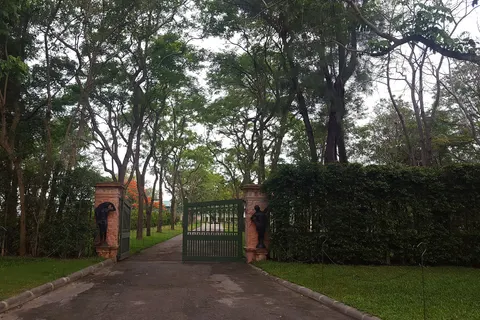
Thin cotton or linen is cooler than it looks. Wear shoes that slip off easily, because you may be asked to take them off on parts of the wooden floor.
Photo rules and manners inside the palace
Outside the halls, on the lawns and along the covered walkways, you can take photos freely. This is where most pictures are taken. Inside the halls on the upper floor, the rules are stricter.
- No video on the upper floor. Still photos are allowed within the conditions posted on signs.
- In some spots you may not photograph yourself next to exhibits. Take pictures of the room or the object as the signs allow.
- Follow the guide. If you are not sure, ask before you raise your phone.
- Do not climb on railings and do not sit on or lean against exhibits.
- Keep your voice down. The raised wooden floors echo, and one loud group disturbs everyone.
- If you plan to fly a drone or shoot commercial footage, ask the office first, because the site sits inside a Border Patrol Police camp.
Photo rules can differ from room to room and from time to time. Follow the signs at each room and the guides.
A short history: the palace of love and hope
King Vajiravudh, Rama VI, had the palace built as a seaside retreat for the hot season. He sketched the first plan himself, and an Italian architect, Ercole Manfredi, drew the full construction plans. Building began in 1923 and was finished in late 1924. The halls were put up by taking down an earlier seaside residence at Chao Samran beach and rebuilding it here. The palace is also known as the palace of love and hope.
The name Mrigadayavan means deer park, after the Huai Sai Nuea area where hog deer once lived in numbers. The king also declared the area a wildlife refuge in 1924. He chose the site for its airy position that suited his health, its fresh water, and its closeness to the railway, which made the journey from Bangkok easy.
Used briefly, then left empty
Rama VI stayed here only twice, in the hot seasons of 1924 and 1925, and died in 1925. The palace then stood empty for decades. In 1965 King Bhumibol Adulyadej had the Border Patrol Police unit at the camp use the site for training and restore the buildings. A foundation was later set up to look after the palace and open it to visitors. That is why it still sits inside a Border Patrol Police camp and why you pass a checkpoint today.
Designed to stay cool without air conditioning
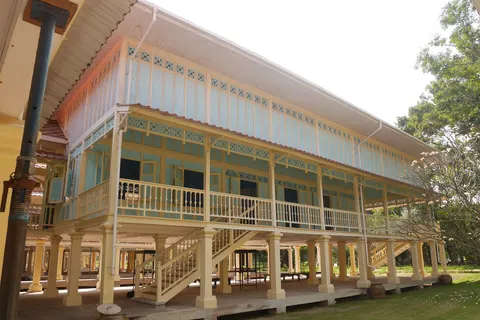
The designers worked with the sea breeze. The halls stand high so air flows under the floors, the walls have vents and louvres, the verandas are deep, and the whole palace runs parallel to the beach to catch the sea breeze by day and the mountain breeze at night. The buildings stand on about 1,080 slim concrete pillars, and the top of each pillar has a raised rim that holds water to stop ants and insects climbing into the timber. If you look down at the base of a hall, you can see the small trough.
What to see inside the palace
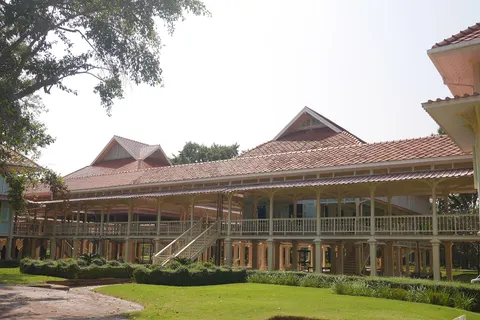
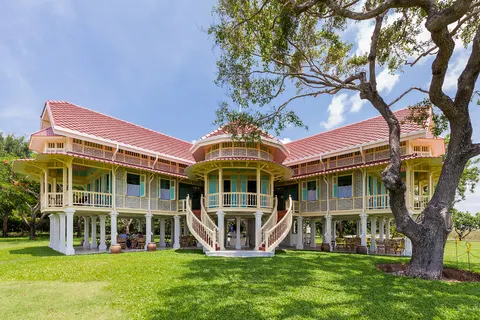
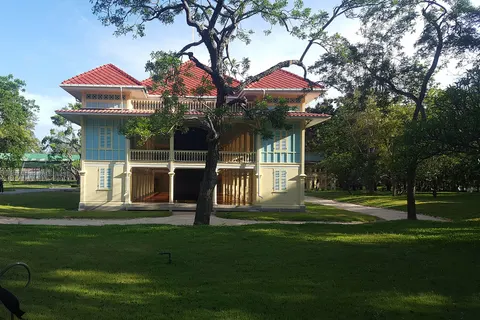
The palace has 16 buildings in three main groups, joined by covered walkways that run for almost 400 metres, with about 22 staircases up to the upper floor. The halls are teak painted cream and pale blue, with hip roofs of tile, facing the sea. The layout is easy to follow if you go in order: the front hall used for meetings and theatre, then the king's quarters, then the inner court.
Samosorn Sevakamart: the audience hall and theatre
At the front of the group is a two-storey open hall, rectangular in shape. It served as a meeting room for the king and his officials, a reception hall, a place for ceremonies and a theatre. Rama VI wrote plays and acted in them here. The best known are Phra Ruang and Vivahaphrasamudra. The ceiling has painted panels and large chandeliers, there are dressing rooms in the corners, and a spiral staircase was used by the actors. Look at the curved staircase at the entrance, which the king used to reach his quarters, going up on the right and down on the left.
Phisansakorn and Samutphiman: the royal quarters
Beyond the audience hall are the quarters. Phisansakorn hall was the residence of Rama VI, and Samutphiman hall was the inner court, where the queen stayed. The rooms on display include the bedchamber with its four-poster bed and mosquito net, the study where the desk faces the sea, the dressing room with the king's clothes, the Western-style bathroom with a Victorian bathtub and the dining room set for a Western meal. Which rooms are open and which are closed for repair changes with the restoration schedule.
The covered walkways and sand courtyards
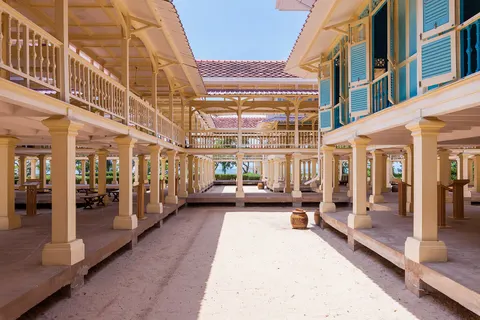
The raised covered walkway is what best captures the palace. It runs so far that you can go from one building to the next without touching the ground. Rows of cream wooden pillars hold up the verandas, and the light through the roof edges changes with the hour: honey in the morning and near copper in the late afternoon. From the walkway you see a lawn on one side and the sea on the other, with a steady sea breeze.
The bathing pavilions by the sea
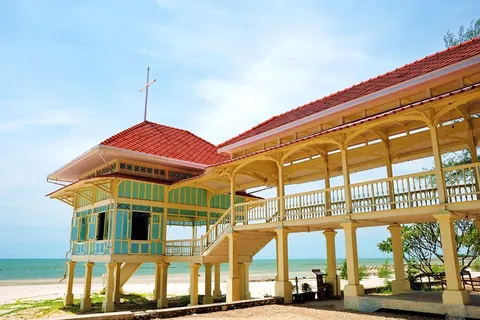
At each end of the walkway, a bathing pavilion stretches toward the beach. The northern one was for the king and the male attendants, and the southern one for the queen and her attendants. On the roof stands a tall wooden pole shaped like a cross. Many visitors think it is a Christian cross, but it was a pole for hoisting lanterns to signal to the staff who lived outside the palace. At times a pavilion has scaffolding or is closed for restoration, so you may not be able to get close, but you can still see it from the walkway.
Three gardens
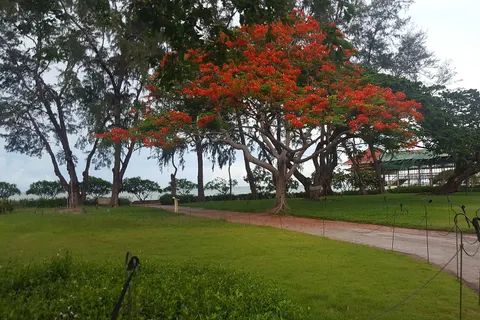
Mom Luang Phumchai Chumphon designed the gardens, taking inspiration from the writings of Rama VI. The Venice Vanich garden at the front of the grounds is laid out in Renaissance style as a meeting point. The Sakuntala garden uses several kinds of ixora planted as a hedge around the area used as an open-air stage. The Matanaphatha garden is trimmed with dense khoi shrubs that cope with sun and sea air. Under the big trees there are benches for resting, and a large banyan near the halls has cloth tied around its trunk, which visitors treat with respect.
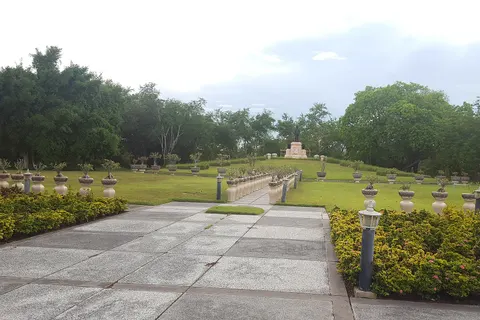
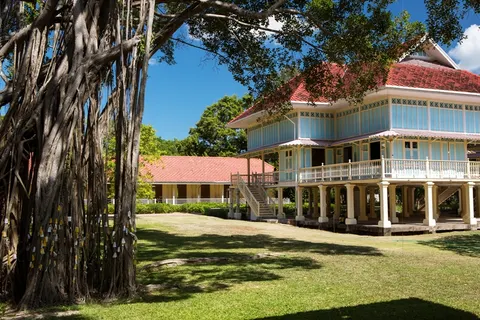
For a first visit, follow this order: the audience hall, the quarters, the walkway, the sea pavilion, and finish in the gardens under the big trees. The rooms and exhibits change from time to time, so ask the staff at the entrance.
The tea room inside the palace
Inside the grounds there is a tea room in a raised wooden building, with tables and chairs set out under the floor. It is cool, with the sea breeze passing through, and it is the best place to rest after the walk. It is also where you collect the tea set that comes with the 916 baht ticket, which covers the guided visit upstairs and then one tea set. The 316 baht ticket, with a herbal drink, suits visitors who do not want a heavy sweet course. If you skip the tea set ticket, ordering drinks and snacks at the tea room is another option. Menus and prices change, so ask before you order.
If you want tea, make it the last part of the visit, after the upper floor and the walkways, so your legs can rest and you are not rushing to leave before closing.
How to get there from Hua Hin, Cha-am and Bangkok
The palace is inside Phra Ram 6 camp, off Phet Kasem Road at about km 216 to 217, about 15 km north of Hua Hin and about 10 km south of Cha-am. A car or taxi from either town takes about 20 to 30 minutes, longer on weekends. No train reaches the gate, and the checkpoint means you cannot simply walk in from the main road. There is parking and there are toilets.
| From | Approximate distance | Time by car or taxi |
|---|---|---|
| Hua Hin town | About 15 km | About 20 to 30 minutes |
| Cha-am beach | About 10 km | About 20 to 30 minutes |
| Hua Hin railway station | About 15 km | About 20 to 30 minutes |
From Hua Hin without a car
The simplest way is a taxi or a hired car with a driver. Agree a price for the round trip including waiting time, because you should stay at least 1.5 hours, and a full 3 hours if you go upstairs and have tea. Your hotel can call a car with the price agreed in advance. Grab may work in the area, but check the app before you rely on it, and agree the return with the driver, because finding a car to leave the camp is harder than finding one to arrive. For every local transport option in Hua Hin, see Getting around Hua Hin.
Buses and songthaews on Phet Kasem Road
Buses and songthaews on the main road pass the entrance in theory, but the last stretch from the main road to the palace is inside the camp and passes the checkpoint, the timings are uncertain, and the return can mean a long wait. They are not recommended for visitors with limited time, families with small children or older travellers.
By car or rented motorbike
Set your map to Mrigadayavan Palace, then turn into Phra Ram 6 camp following the signs, pass the checkpoint and look for the parking area. If you rent a motorbike, carry your driving licence, because you will be asked to show it at the checkpoint.
From Bangkok
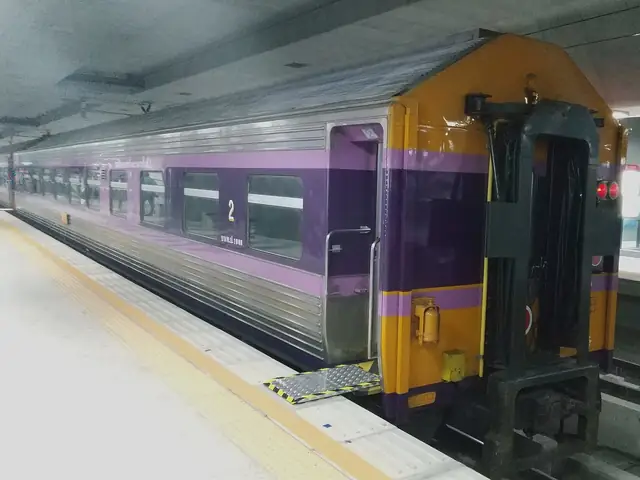
From Bangkok you can take a train, bus, minivan or a private car that collects you from your hotel. Driving straight takes about 3 hours with no traffic. On Friday evening, Saturday morning and Sunday evening it can add 1 to 2 hours. Because the palace opens only Friday to Sunday, you will meet this busy traffic, so leaving Bangkok early or turning it into a two-day, one-night trip is more comfortable. See Bangkok to Hua Hin for all the options and Hua Hin railway station for the train.
 12Go
Bangkok to Hua Hin on 12Go
From US$4
Price as of 5 Nov 2026Compare train, bus, minivan and taxi from Bangkok to Hua Hin on one page. Cheapest for Saturday 7 Nov 2026: train US$4, bus US$7, van US$8, taxi US$55. Get off in Hua Hin and take a taxi to the palace. Prices change by date.
Book on 12GoPhotos, prices and reviews from Klook
Private car from Bangkok to Hua Hin by N&T Travel. About 3 hours, hotel pickup and drop-off, fuel and tolls included, free cancellation 24 hours before. Pickup from central Bangkok, Suvarnabhumi or Don Mueang. The price changes with the car and the start point. For two or more people who do not want several changes, it costs you the least time.
Book on KlookCombining it with Cha-am, Hua Hin and a meal
The palace sits between the two towns, so it combines easily and works best as a half-day morning visit. There are three practical ways to use it.
- Cha-am first: if you stay in Cha-am, go to the palace in the morning and return for lunch and the beach in the afternoon. See Cha-am beach and using Cha-am as a base.
- Hua Hin first: if you stay in Hua Hin, go to the palace in the morning and carry on to Cha-am for lunch by the beach, or return to Hua Hin for Khao Takiab in the afternoon. See Khao Takiab.
- Evening at a market: if you go from Friday to Sunday, the Cicada market opens in the evening and fits after a palace morning. See Hua Hin markets for days and hours.
If you have older children and want a water park in the afternoon in Hua Hin, a Vana Nava ticket is an e-ticket you can buy in advance. The park opens at about 11:00 and closes at about 16:00 to 17:00 (check before you go). The lowest ticket price is for a child or senior ticket with a towel, an adult ticket costs a little more and it cannot be cancelled. See Vana Nava Water Jungle.
Photos, prices and reviews from Klook
Vana Nava Waterpark ticket in Hua Hin. E-ticket, go to the park yourself, about 3 to 5 hours. Suits an afternoon after a palace morning. Not cancellable.
Book on KlookWhere to eat before and after
Inside the palace there is a tea room for drinks and snacks. For a proper meal, eat in Cha-am or Hua Hin. Cha-am has seafood restaurants and street stalls in a row behind the beach, and Hua Hin has more restaurants and markets to choose from. Have a late breakfast before you enter the camp because the walk inside is long, and pick lunch after you leave. Menus and prices in Cha-am are covered on the Cha-am beach page.
Do not leave your original passport or ID card with a shop or a hotel while you go to the camp. You need it at the checkpoint before you enter.
Klai Kangwon Palace is not open to visitors
Klai Kangwon Palace in Hua Hin is a seaside royal palace that is not open to the public. You can see it only from outside, and there is no ticket for walking in. If someone or a website says you can go in, do not pay. Maruekhathaiyawan Palace is the royal seaside residence you can actually visit, and it is a good alternative for anyone who wants to see a seaside royal residence in Thailand.
Best time of day and year
Go in the morning. The halls are cooler, the light on the wood is warm, and you beat the tour groups, which tend to arrive mid-morning. If you cannot go in the morning, go between about 14:00 and 15:00 for soft light for about an hour before closing, and do not start the upper floor after 15:00.
| Month | What to expect |
|---|---|
| November to February | Cool and dry, the best months for walking the gardens, but also the busiest on the coast. Early November can still bring some rain |
| March to May | The hottest months, about 33 to 34 degrees in April and May. Arrive at opening and finish before it gets very hot |
| June to October | Rainy season. Rain tends to come in short bursts, and the covered walkways help, but the open verandas get splashed. Bring a folding umbrella or a light rain jacket |
Because the palace opens only Friday to Sunday, long weekends and school holidays that fall on those days are the busiest times, and the roads and the car park are slower than usual. If you dislike crowds, avoid long weekends or choose a Friday morning.
A half-day plan and a budget
Half-day morning from Hua Hin or Cha-am
- Check that the day is a Friday, Saturday or Sunday, and look at the latest notice on the palace Facebook page.
- Dress with shoulders and knees covered, and keep your original ID in an easy pocket.
- Leave the hotel so that you reach the checkpoint around 09:00 to 09:30.
- Buy the ground floor ticket for 90 baht. If you want the upper floor, buy the ticket of about 316 baht and ask which round to join.
- Spend about 1.5 to 2 hours walking the halls, the walkways, the bathing pavilion and the lawn by the sea.
- Rest at the tea room or under the trees, and leave before noon.
- Finish with lunch in Cha-am or Hua Hin.
A full day with a car
Start at the palace in the morning, lunch in Cha-am, then the Cha-am beach in the late afternoon when the sun is soft, and drive back to Hua Hin before dark for a market if it is a Friday to Sunday. For more ways to arrange the days, see 2 days, 1 night in Hua Hin and 3 days, 2 nights in Hua Hin and Cha-am.
A full day without a car
Hire a taxi or a car with a driver for the morning, and agree a price that includes about 2 to 3 hours of waiting at the palace. Then carry on to Cha-am for lunch, and either go back to your hotel or stay in Cha-am if that is where you sleep. This is simpler and you do not have to find a car at the checkpoint on the way back.
Budget per person
| Item | Estimate | Notes |
|---|---|---|
| Ground floor and gardens | 90 baht | Thai and foreign adults pay the same |
| Upper floor with a guide | About 316 baht | Replaces the 90 baht ticket, it is not added on top |
| Upper floor with a tea set | About 916 baht | Includes one tea set |
| Return car from Hua Hin or Cha-am | Agree with the driver | A taxi or a hired car. Agree the waiting time before you go |
| Lunch in Cha-am or Hua Hin | Depends on the restaurant | Read the menu prices before you order |
As an example, a couple who both buy the ground floor ticket pay 180 baht for entry. If both buy the upper floor ticket at 316 baht, that is 632 baht. This leaves out the car, food and drinks.
With children, older visitors and on a rainy day
Can you bring children?
Yes, if they can walk along the walkways and take off their shoes when asked. Wooden floors and narrow walkways are not for running, so hold hands near the railings and the stairs. The lawn by the sea gives children room to run afterwards. Young children and primary students give a donation of their choice, so ask at the counter. The upper floor has no video and has old objects on display, so judge whether your child can stay quiet with a guide for about an hour. If your child is very lively, the ground floor and gardens are enough.
Older visitors and anyone who finds walking hard
Older visitors, monks and visitors with special needs give a donation of their choice. The wooden walkways and stairs are raised. If you bring an older relative, allow extra time and rest in the gardens along the way. The upper floor means climbing several stairs. If you use a wheelchair or find walking hard, call +66 3250 8444 beforehand and ask the staff which parts you can enter. Bring water and a hat, but leave anything you do not need in the car or hotel so you can walk lightly.
What if it rains?
The walkways and verandas have roofs, so you can see most of the halls in the rain. But wind blows water onto the open verandas and the lawns get slippery. If the rain is heavy, go upstairs or sit in the tea room until it passes. Bring a folding umbrella, shoes with grip and a bag for your phone. If it rains all day, move the visit to the next Friday to Sunday, or use that day for restaurants and markets in town. See Hua Hin markets.
Common mistakes and how to avoid them
- Going from Monday to Wednesday: the palace does not take general visitors, so you lose both time and the fare. Go Friday to Sunday.
- Forgetting ID: you cannot pass the checkpoint. Keep the original with you from the moment you leave the hotel, not in the room safe.
- Wearing shorts or a camisole: you will have to borrow a wrap at the entrance, and there is not always one. Bring clothes from the room.
- Arriving late in the afternoon: you will not have enough time for the gardens and the upper floor. Arrive before 15:00 at the latest.
- Going at midday: it is hottest, and the wooden walkways are warm underfoot. Morning or late afternoon is better.
- Relying on a bus for both ways: getting a ride back is hard. Book a taxi that waits, or go back with the car that brought you.
- Mixing it up with Klai Kangwon Palace: Klai Kangwon is not open to visitors. The one you can enter is Maruekhathaiyawan Palace.
- Filming on the upper floor: video is not allowed. Follow the signs and the staff.
Where to stay if you are visiting the palace
The nearest places to sleep are in Cha-am, about 10 km from the palace, while Hua Hin is about 15 km away. If you plan the palace plus a family beach day, Cha-am is easier. If you want markets, the railway and many restaurants, stay in Hua Hin. Compare all the areas on Where to stay in Hua Hin, Cha-am and Pranburi.
Cha-am, closest to the palace
 Mid-range
Long Beach Cha-Am Hotel
Cha-am beach, Beach Road
Mid-range on Beach Road in Cha-am. Suits families and couples who want the beach at the door, and the palace is about 20 to 30 minutes by car.
See prices and availability on the booking page
 Budget
Thalay Cha-am by Tha
Cha-am beach, condo building near the beach
Budget rooms in a condo building near the Cha-am beach. A simple, low-cost base for people who come for the beach and a palace morning.
See prices and availability on the booking page
Hua Hin, close to markets and restaurants
 Mid-range
Amari Hua Hin
Hua Hin, under 1 km from the town centre
Mid-range, under 1 km from the Hua Hin town centre. Go to the palace in the morning, come back for a midday rest and walk to a restaurant in the evening.
See prices and availability on the booking page
 Budget
ibis Hua Hin
Hua Hin, Phet Kasem Road side, short walk from the town centre
Budget, on the Phet Kasem Road side and a short walk from the town centre. Suits travellers who spend most of the day out of the room and take a taxi to the palace in the morning.
See prices and availability on the booking page
Frequently asked questions
How much does Maruekhathaiyawan Palace cost?
Adults, Thai or foreign, pay 90 baht for the gardens and ground floor. The upper floor with a guide is about 316 baht with a herbal drink, or about 916 baht with a tea set. University students pay about 60 baht and secondary students about 30 baht. Older visitors and monks give a donation of their choice. Prices can be adjusted, so ask at the counter.
What time is the palace open, and which day is it closed?
It opens to the public Friday, Saturday and Sunday, from about 09:00 and closing about 16:00 to 17:00. Thursday is for school groups that book ahead, and from Monday to Wednesday it does not take general visitors. Check the Facebook page or call +66 3250 8444 before you go.
What should I wear?
Cover shoulders and knees. Sleeveless tops, camisoles, very short shorts, short skirts and beachwear are not accepted. A wrap is often lent at the entrance, but dressing properly from the hotel is easier.
Do I need my passport?
Yes, carry the original. The palace is inside a Border Patrol Police camp with a checkpoint at the entrance. Foreign visitors use a passport. Thai visitors use an ID card or driving licence.
How long do I need?
About 1.5 to 2 hours for the gardens and ground floor, plus about 1 hour for the upper floor. With tea at the tea room, allow about 3 hours in total. Do not arrive after 15:30 if you want to walk without hurrying.
How far is it from Hua Hin and from Cha-am?
About 15 km north of Hua Hin and about 10 km south of Cha-am. A car or taxi takes about 20 to 30 minutes, and longer on weekends.
Can I visit Klai Kangwon Palace in Hua Hin?
No. Klai Kangwon Palace is not open to visitors and can be seen only from outside. Maruekhathaiyawan Palace is the seaside royal residence you can enter.
Is it worth visiting with children?
Yes, for children who can walk along the walkways and take off their shoes. The floors and narrow walkways are not for running. Young children and primary students give a donation of their choice, and the lawn by the sea lets them run afterwards.
What is the best time of day to go?
Morning, arriving about 09:00 to 09:30, when it is cooler and quieter. The other option is about 14:00 to 15:00 for soft light, but arrive before 15:00 if you want the upper floor.
Can I take photos inside?
Outside, on the lawns and on the walkways, yes. On the upper floor video is not allowed and still photos have conditions, for example in some places you may not photograph yourself next to exhibits. Follow the signs and the staff.
Keep planning
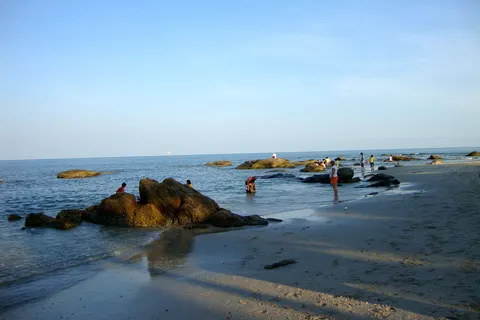 Plan Hua HinHow many days, what to see, fees, where to stay
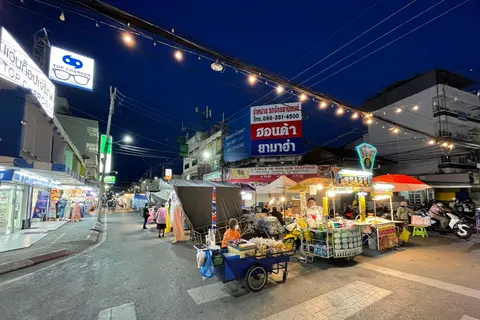 Hua Hin in 2 days, 1 nightHour-by-hour plan, evening market, beach, costs
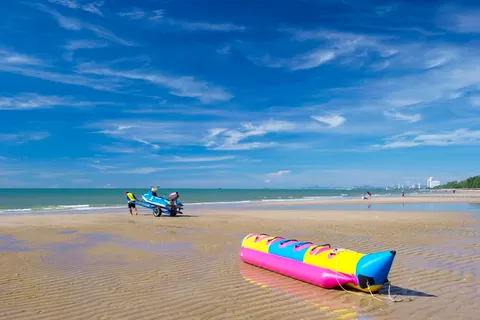 Hua Hin and Cha-am in 3 daysAdds Phraya Nakhon Cave, Pala-U and Cha-am
 Hua Hin tickets and toursWater parks, tours and transfers with prices
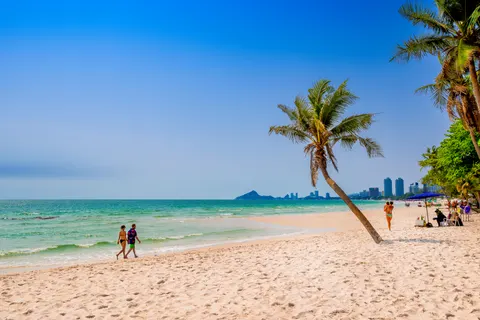 Where to stay: Hua Hin, Cha-am, PranburiPick the area first, then the hotel
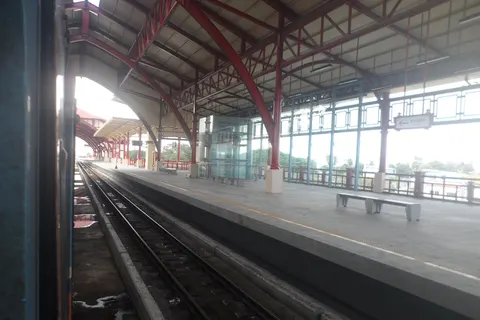 Bangkok to Hua HinTrain, bus, van and private car
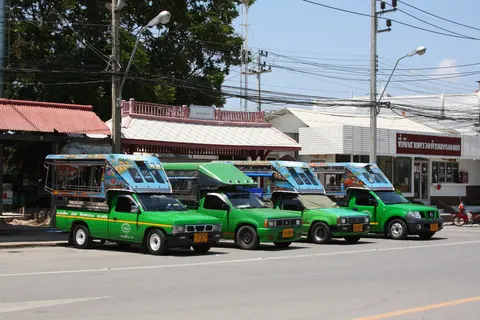 Getting around Hua HinSongthaew, taxi, tuk-tuk, car hire and walking
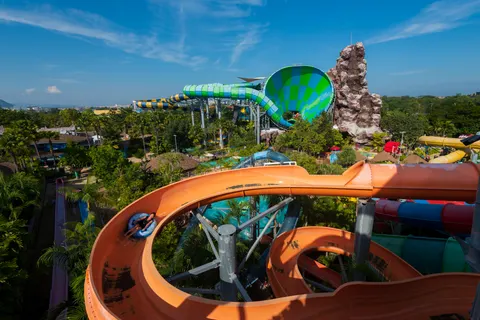 Vana Nava Water JungleTickets, prices, hours and Black Mountain compared
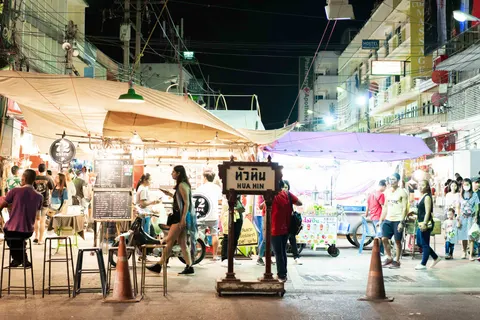 Cicada, Tamarind and the night marketOpen days, hours and how to do them in one evening
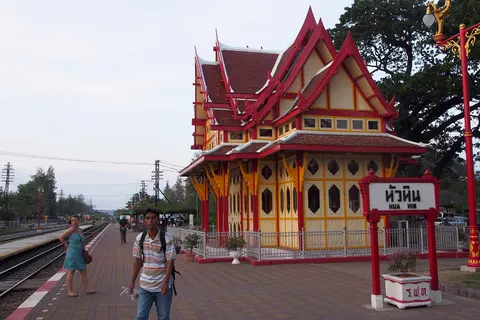 Hua Hin railway stationThe red and gold pavilion, photos and trains
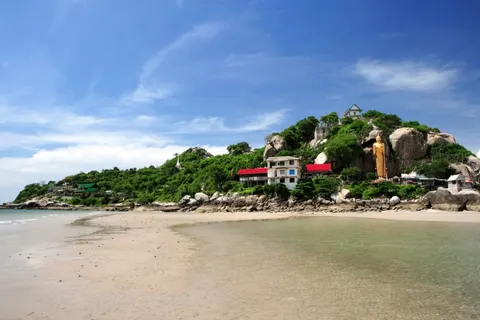 Khao TakiabTemple stairs, monkeys, the beach and seafood
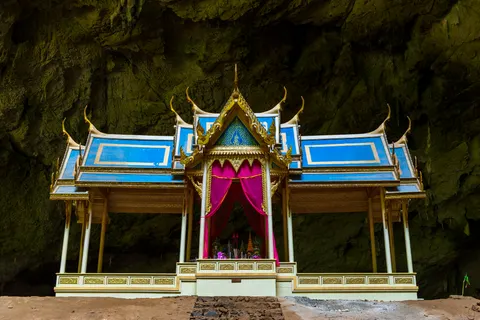 Phraya Nakhon CaveFees, walk or boat, and the best light
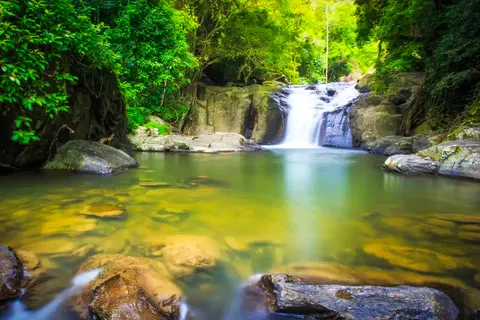 Pa La-U WaterfallFees, the trail and when the water runs
 Cha-am beachA long beach, weekend crowds and family stays
 Swiss Sheep Farm, Cha-amEntry fee, advance ticket, feeding animals and how to get there