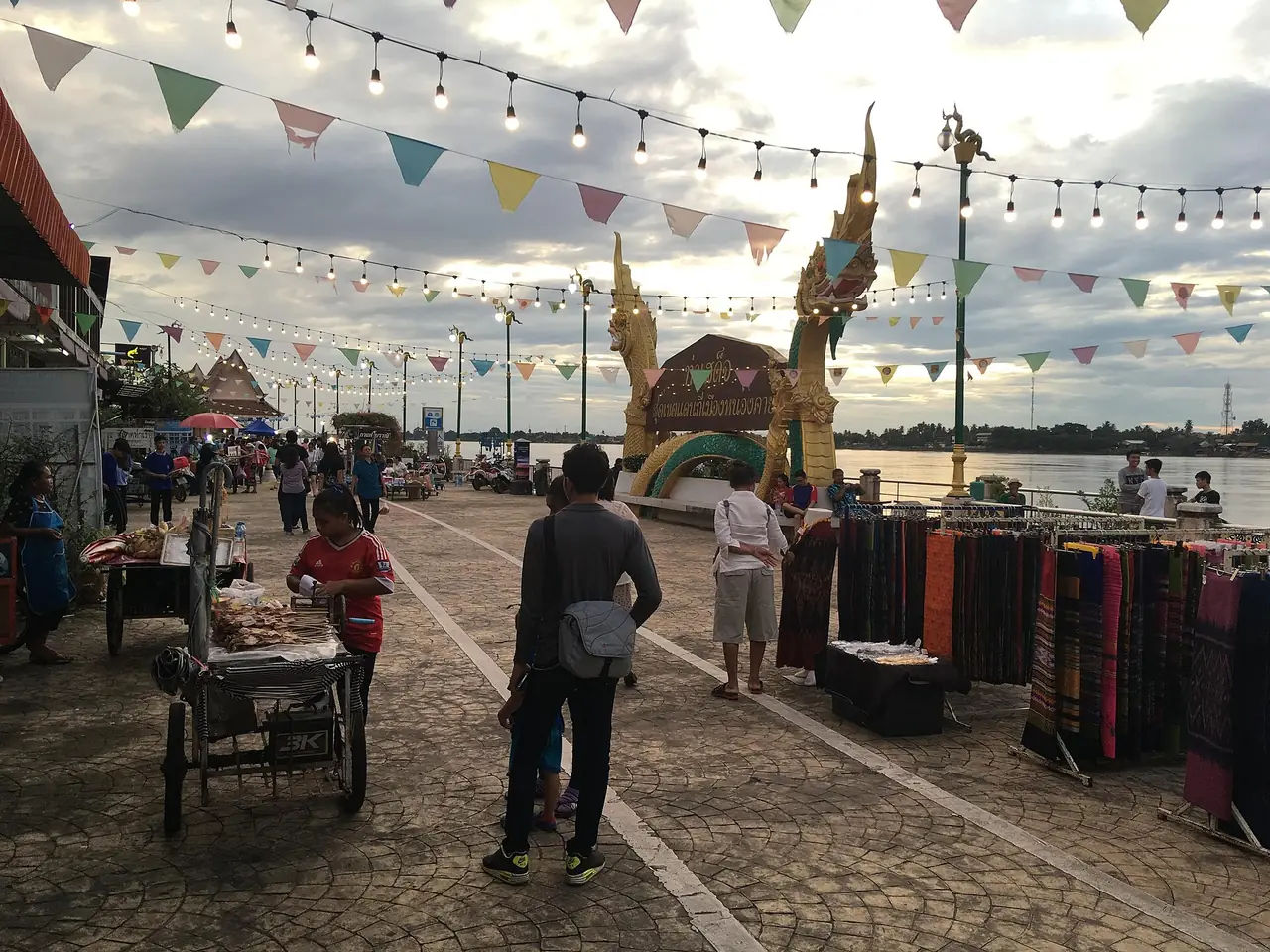
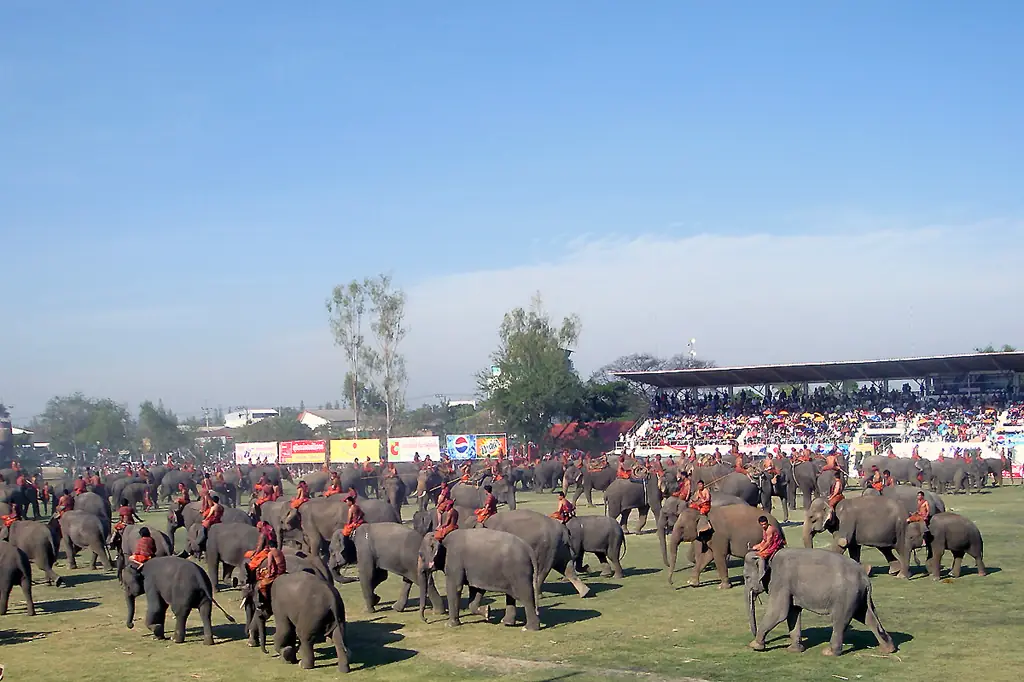
Nakhon Ratchasima, usually called Korat, is the largest city in Isan and the first big stop for most people leaving Bangkok for the northeast. Wikivoyage says plainly that the city itself is not a favoured holiday destination for the average foreign traveller, and that visitors tend to base themselves here for Phimai, Khao Yai and Phanom Rung. That is fair, but a day in the city is still worth it: the Thao Suranari statue at the Chumphon Gate, a temple with an unusual modern chapel, a pottery village on the edge of town and the night markets.
This page covers the city and how to plan around it. It does not try to cover a province this big district by district. For the Khmer temples read our Phanom Rung and Phimai guide, for the national park see Khao Yai, and for the wider region the Isan hub. Thai readers can use the Thai version.
What kind of city is Korat
Wikipedia lists Nakhon Ratchasima as Thailand's second largest province by area, with about 2.6 million people and the highest GDP in Isan. The city is the biggest in the region: the municipality had 126,391 registered residents in 2019 and the urban area held 466,098 in 2021. The same article says it became an Ayutthaya stronghold on the northeastern frontier in the 17th century and describes it as the gateway to the Lao-speaking northeast.
The provincial motto, as Wikipedia gives it, works as a map of what to see: city of brave women, excellent silk, Mee Korat noodles, stone castles and Dan Kwian clay. In practice that means Ya Mo, silk, noodles, Khmer temples and pottery.
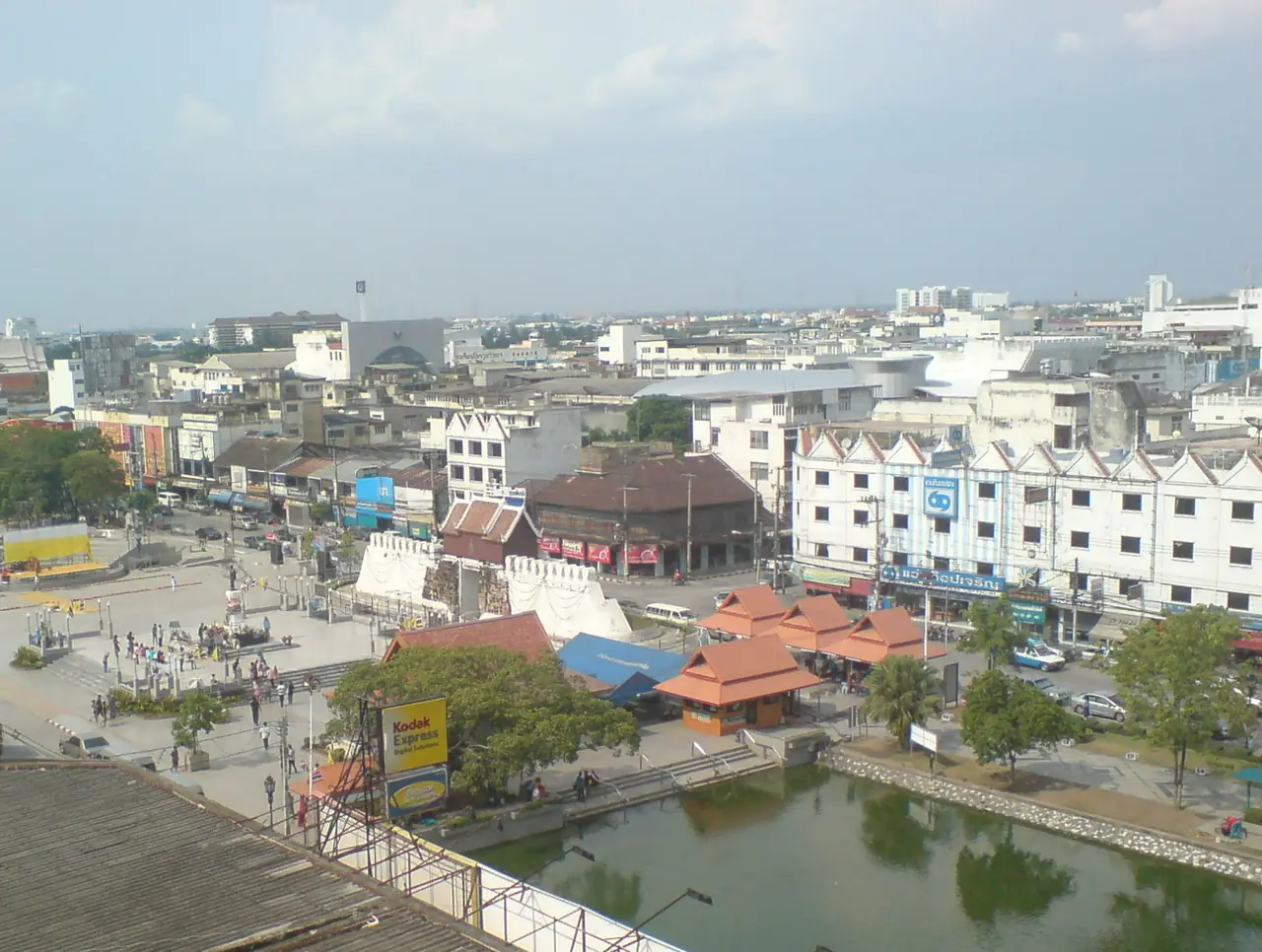
Wikivoyage describes the old walled city as an almost perfect rectangle about 1.5 km by 1 km, ringed by a moat, with a street grid that can confuse newcomers. Thai Wikipedia lists the four city gates: Phlaen (north), Chaiyanarong (south), Phon Lan (east) and Chumphon (west). The reference point every tuk-tuk, songthaew and taxi driver understands is "Yamo": say that word and you will reach the middle of town.
Getting to Korat
| From | By | What the sources say |
|---|---|---|
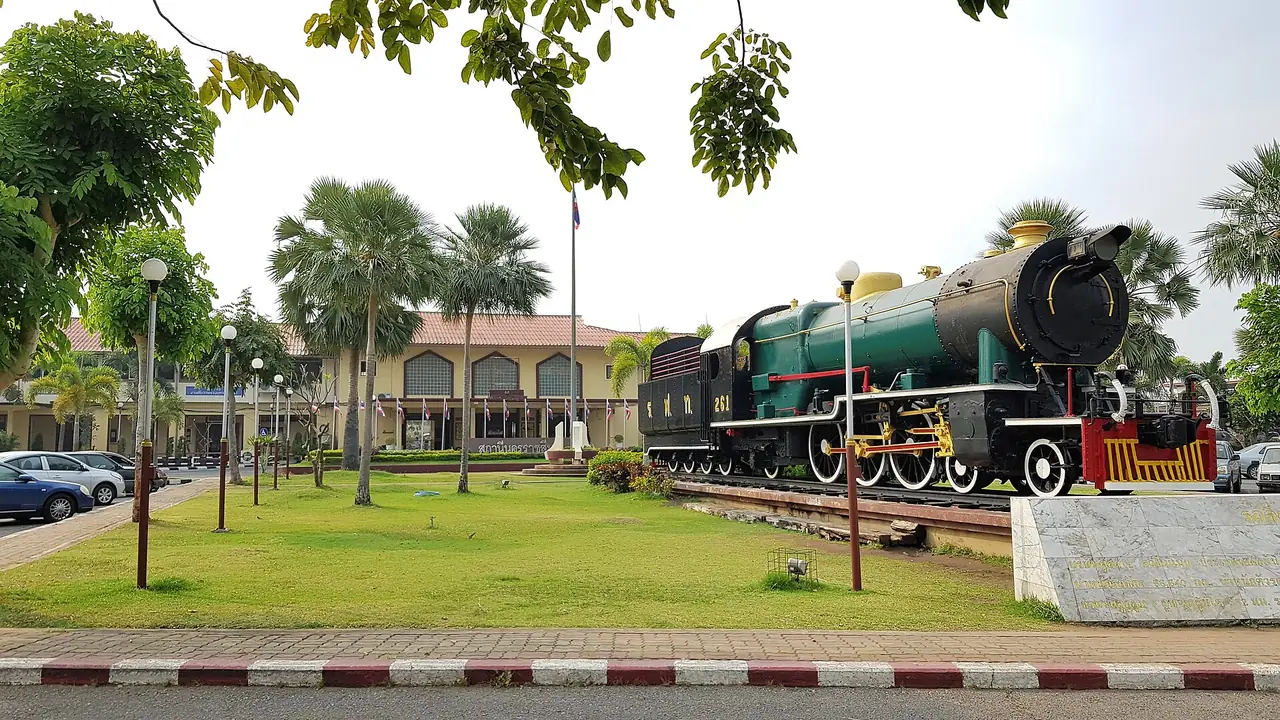
| Bangkok | Train | Wikipedia says the city sits on the northeastern line to Ubon Ratchathani and Nong Khai, with two main stations: Nakhon Ratchasima (Mukkhamontri Road) and Thanon Chira Junction. 12Go showed 11 trains from THB 147 on 2026-10-16. Check times and book with the State Railway of Thailand. |
| Bangkok | Bus | Wikivoyage says buses leave Mo Chit several times an hour around the clock. 12Go showed 30 buses from THB 323, including Transport Co and Nakhonchai 21. |
| Bangkok | Car | Thai Wikipedia gives about 259 km on Highway 2 (Mittraphap Road) via Saraburi and Pak Chong. Wikivoyage describes two more routes, Highway 304 via Wang Nam Khiao and Highway 305 via Nakhon Nayok. |
| Bangkok | Plane | Wikipedia and Wikivoyage agree that Nakhon Ratchasima Airport has no scheduled passenger flights. |
| Around town | Songthaew, taxi, ride-hailing | Wikivoyage describes numbered songthaew routes at very low fares, few metered taxis, and Grab as a way to check a price. The fares on that page are old, so ask before you ride. |
Book transport from Bangkok
The 12Go Bangkok to Nakhon Ratchasima page showed 76 trips when we opened it in a real browser on 16 October 2026 (searching Sunday 18 October, 2 travellers), with prices from THB 147 to THB 7,938. It listed 11 trains from THB 147, 30 buses from THB 323 and 35 taxis from THB 2,645. In the cards we saw, Transport Co ran 12 buses from Mo Chit to "Nakhon Ratchasima Terminal 2" starting at 07:30, and Nakhonchai 21 ran 17 departures starting at 01:00. Thai Railway train #71 left Krung Thep Aphiwat Central Terminal at 10:35 and arrived at 14:25, with a class 3 fan seat at THB 249. The page also showed Cherdchai Tour, Air Korat Pattana, Prayat Tour and Kammaratrungruang. The figures do not match everywhere on the page (the summary row and the schedule table showed different bus fares), and drop-off points varied between Terminal 2, Non Daeng and Prathai Intersection, so check where you will be dropped before you book. That is what the page showed on that day, not a guaranteed fare. The booking button is a partner link, so we may earn a commission at no extra cost to you.
Do not wait for the high-speed train. Wikipedia says construction of the Bangkok to Nakhon Ratchasima section began in 2017, was 52.4 percent complete in March 2026, and is expected to open in 2030. Plan with the existing train, bus or car, and see getting around Thailand for the wider picture.
Ya Mo and the city centre
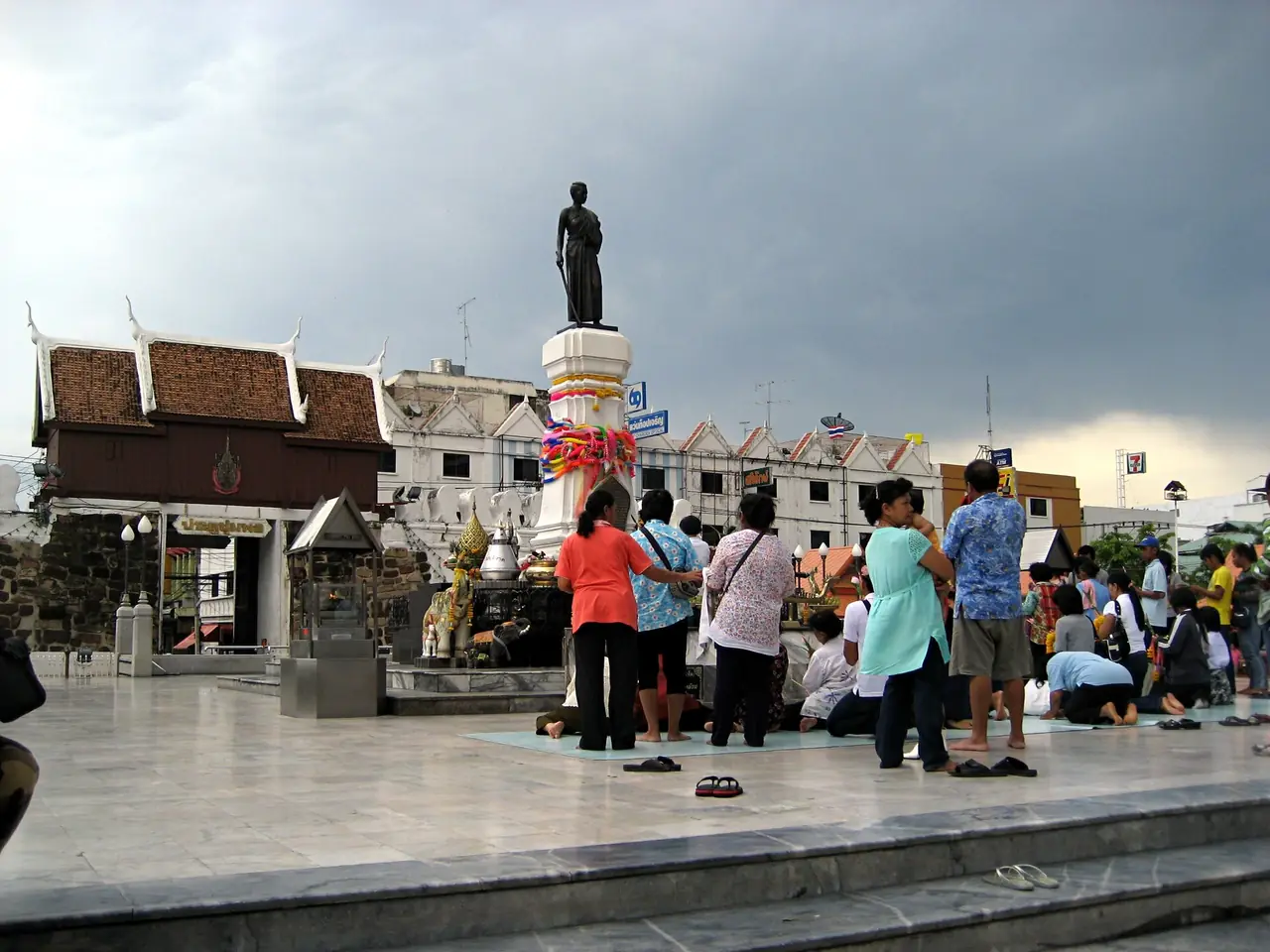
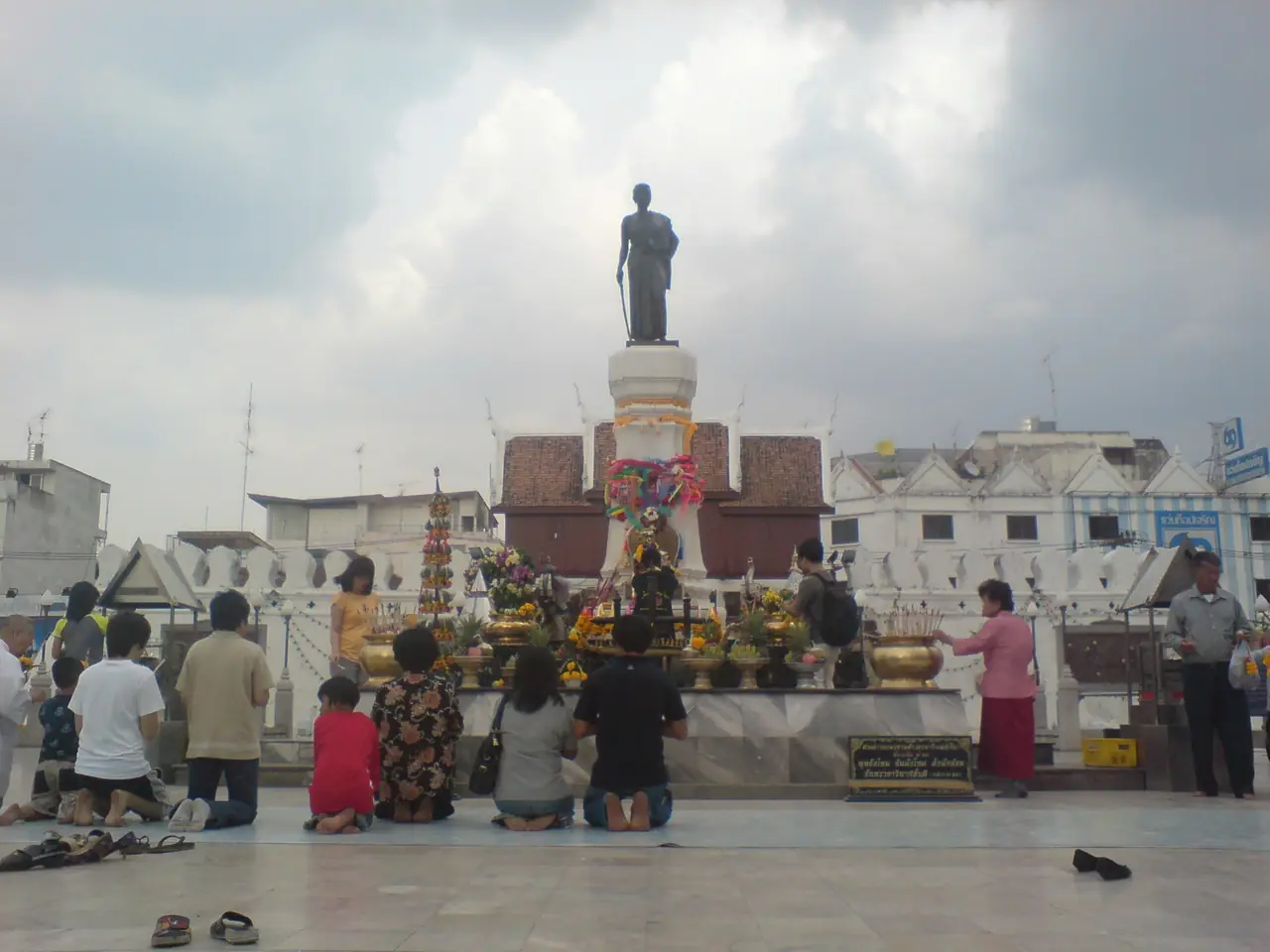
Thao Suranari, also called Lady Mo or Ya Mo, was the wife of the deputy governor of Korat. Wikipedia tells the generally accepted version: in 1826 King Anouvong of Vientiane's forces took the city and moved its people, and Lady Mo is credited with leading the captives against their guards. Thai Wikipedia dates the fight at Thung Samrit to 4 March 1826 and says King Rama III gave her the title Thao Suranari on 30 October 1827. English Wikipedia adds that some have suggested the story was embellished during the nationalist movement of the 1930s, so you will meet more than one version. What is not in doubt is how much she means to people in Korat.
The statue stands beside the Chumphon Gate and was placed there on 15 January 1934, according to Wikipedia. It was designed by Phra Thewaphinimmit and sculpted by Silpa Bhirasri. Wikivoyage describes locals kneeling and praying here at all hours, and advises taking your shoes off before climbing the steps. Photos are fine, but keep your voice down and stay respectful. A festival in her honour runs from the end of March into early April; Wikivoyage says 23 March to 2 April, but that is an older listing, so confirm the dates with the municipality for the year you travel.
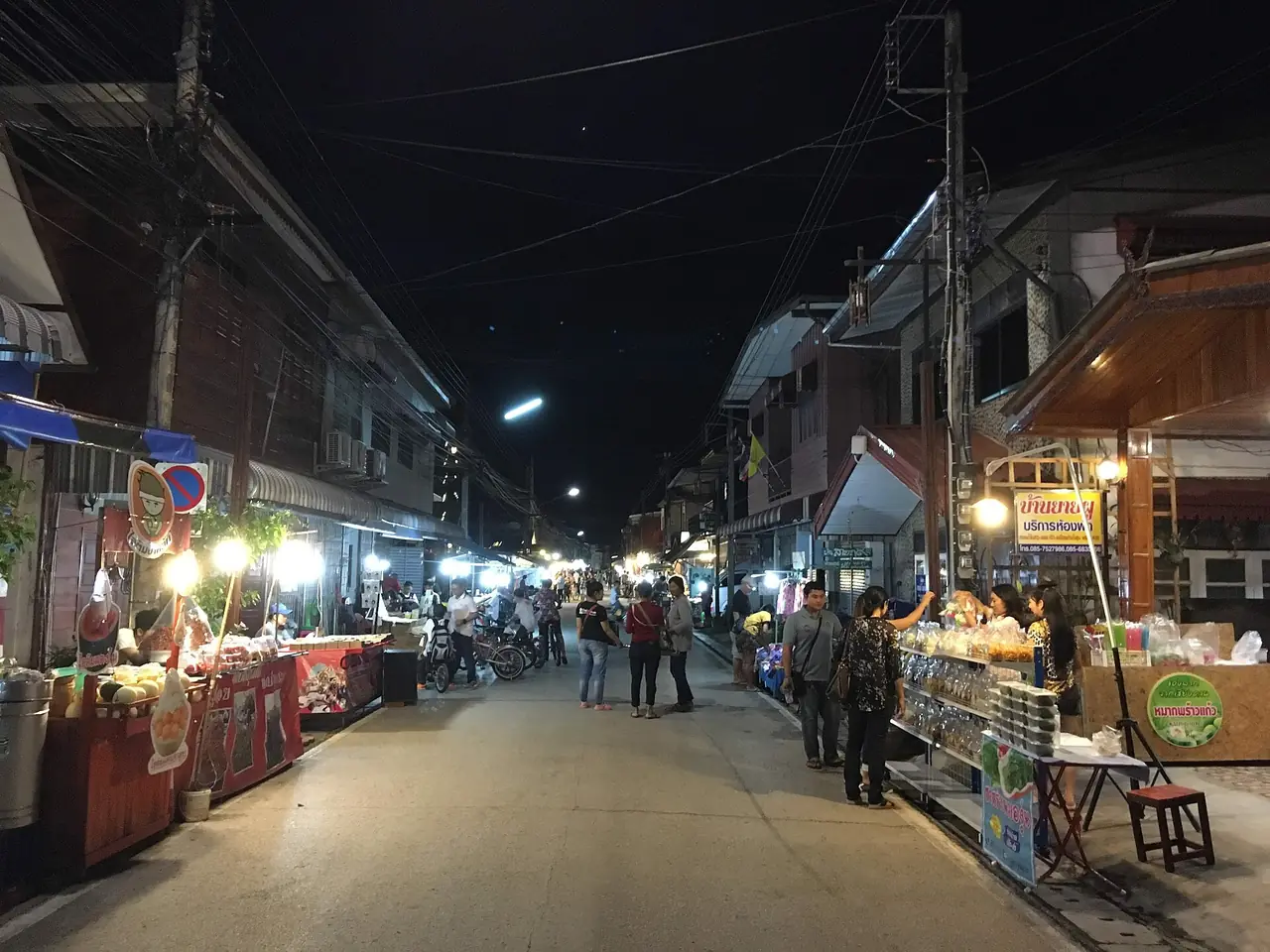
Wikivoyage calls the pedestrian strip between Chumphon Road and Ratchadamnoen Road one of the best places in town for an evening walk. It also recommends Mae Kim Heng market for fresh and cooked food and Wat Boon Night Bazaar (also called Night Bazaar 2), which it describes as bigger and more relaxed than Night Bazaar 1 and mainly selling food. Prices and stalls change quickly, so we do not quote any.
Thai Wikipedia lists other sights in the district: Wat Phra Narai Maharat (Thao Suranari lived across from it, per English Wikipedia), the Maha Viravong National Museum, the city pillar shrine, Nakhon Ratchasima Zoo and a petrified wood museum. We could not find an official page with hours or fees for these, so we give no numbers; check before you go. Wikivoyage says the Maha Viravong museum closes on public holidays and that the zoo is about 20 km from the centre in a very large site.
Wat Sala Loi and Dan Kwian
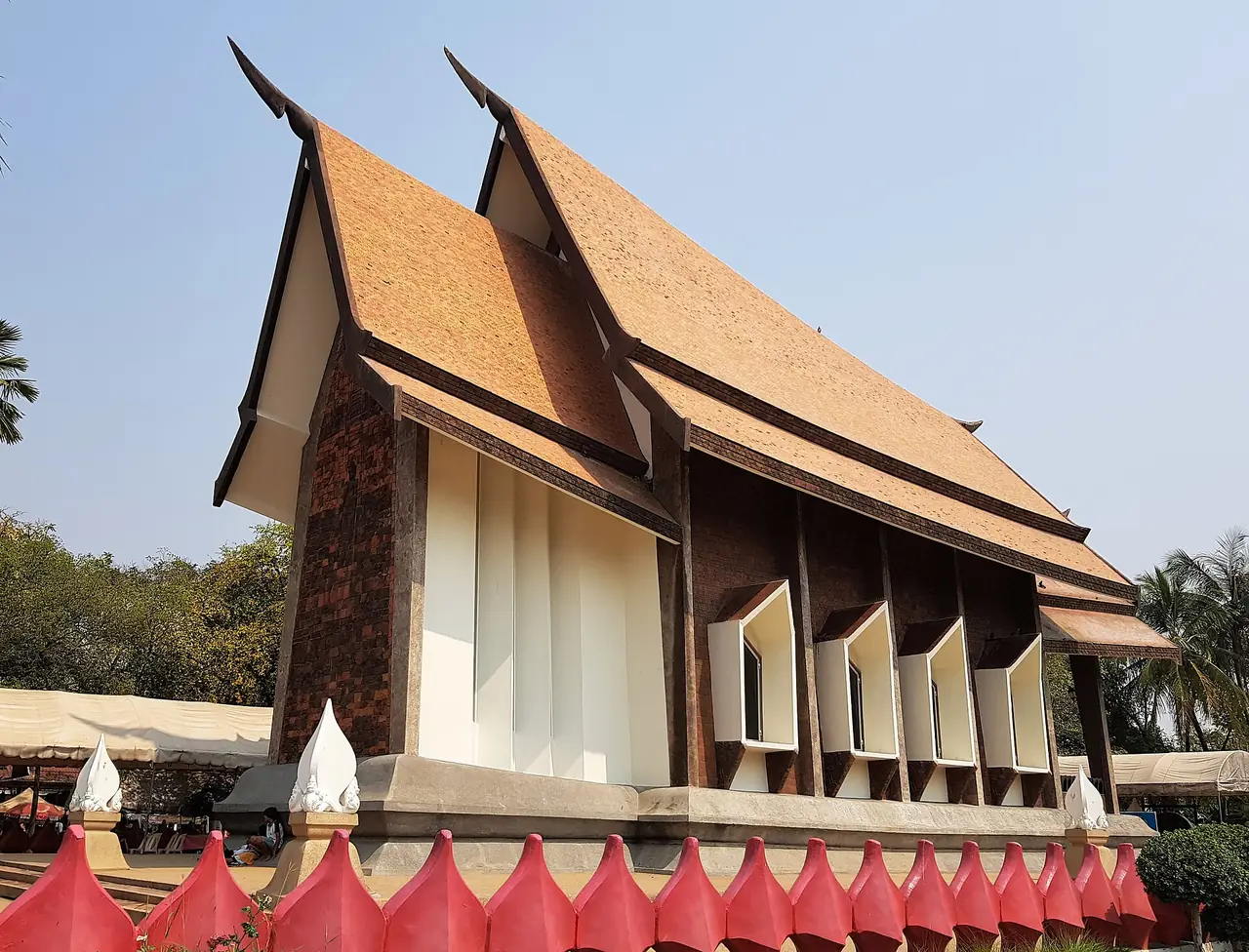
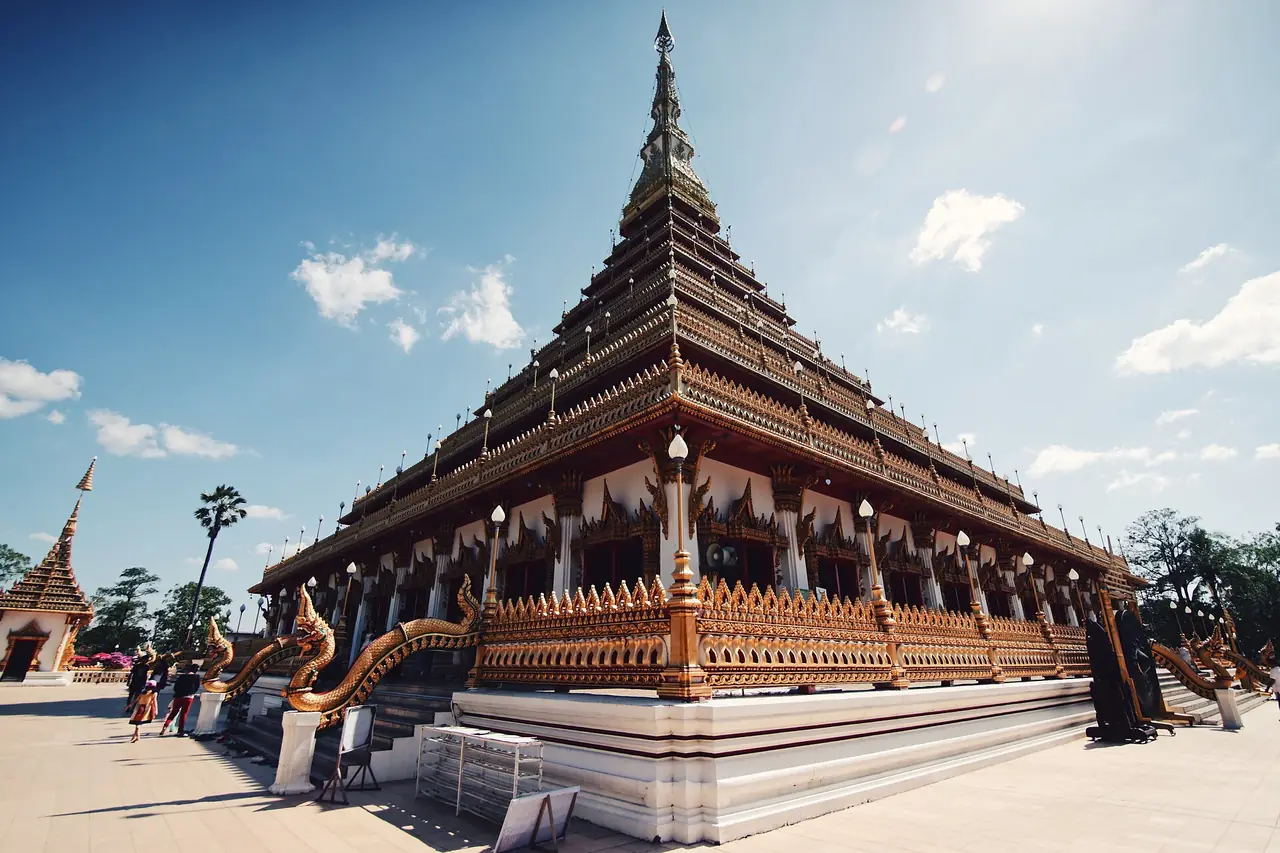
Wat Sala Loi lies north-east of the centre, about 500 m off the ring road, beside the Lam Takhong. Thai Wikipedia describes it as a royal temple of the third class that Thao Suranari had built after the 1827 victory. The highlight is the newer ordination hall, designed by Assoc. Prof. Dr. Wirot Sri Suro, which won an architecture award from the Association of Siamese Architects in 1973 and is decorated with Dan Kwian terracotta tiles. Inside is a white stucco principal Buddha, and in front of the door a stucco figure of Thao Suranari sits with hands joined in the middle of a pond. Wikivoyage calls the hall a chapel shaped like a Chinese junk.
Dan Kwian is a subdistrict in Chok Chai district on the road linking Korat and Chok Chai. Wikipedia says the name means a check point for ox carts, and that the area splits in two: Dan Kwian Din Phao, a cluster of larger factories and roadside ceramic sales, about 2 km north of the historic village. It says pottery is said to have started around 1740, though that date is unverified. Until about 1972 the kilns produced mostly working vessels such as water jars, and from then on decorative ware for urban buyers, centred on Bangkok. The classic ware is fired to a dark brown, vitreous finish.

Phanom Wan and Phimai
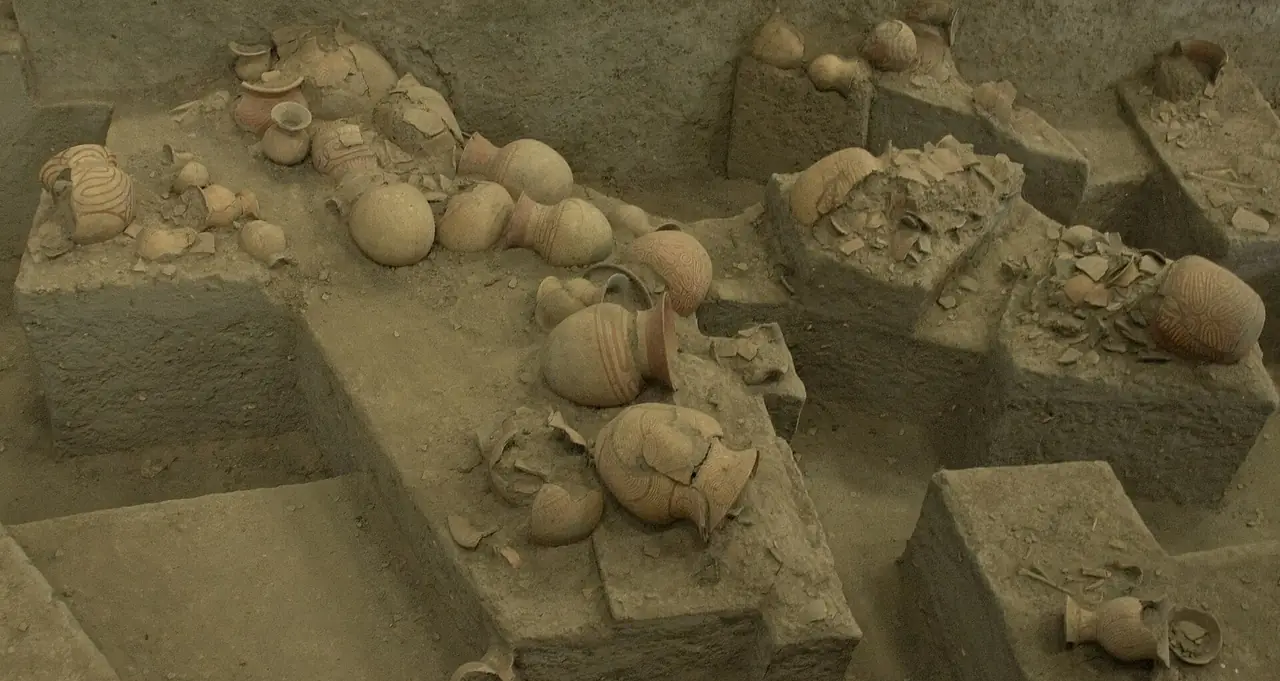
Prasat Hin Phanom Wan is in Mueang Nakhon Ratchasima district, beside the Korat to Khon Kaen road according to Thai Wikipedia. English Wikipedia calls it one of the largest Khmer Buddhist temples in Thailand, thought to date from the 11th century on a site with Bronze Age and Iron Age burials. The main prang faces east, is built of sandstone and has three arched gateways, and the Fine Arts Department registered it in 1936. Thai Wikipedia says the Department excavated and restored it between 1989 and 1999. Its style resembles Phimai, but it is smaller. We found no official page with its hours and fees, so check at the gate.
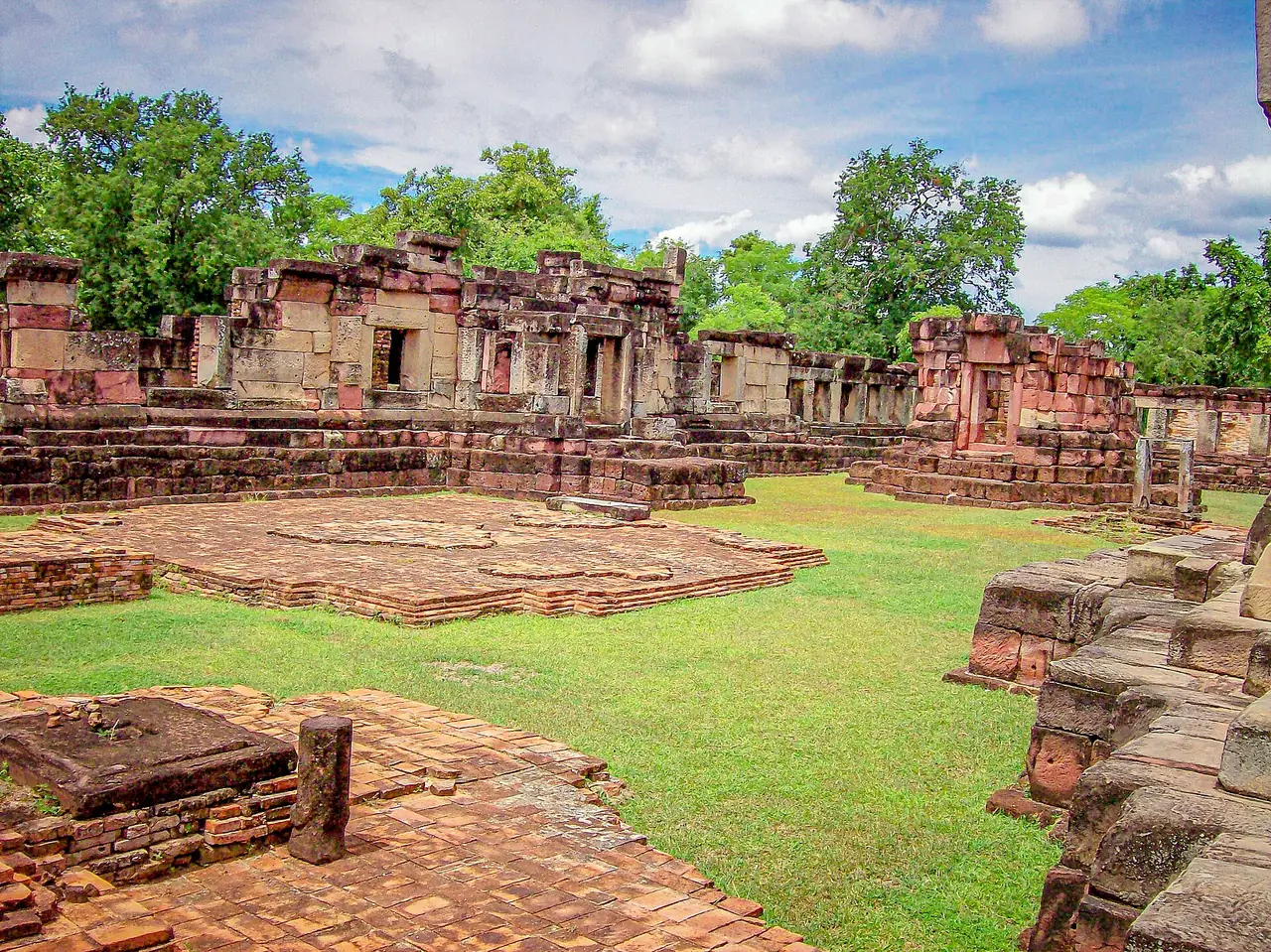
Phimai is the main reason most travellers come this way. The Fine Arts Department page we read on 16 October 2026 lists daily opening from 07:00 to 18:00, 100 baht for foreigners and 20 baht for Thais, and puts the park about 60 km north-east of Korat city. Buses link Korat and Phimai town, but we could not verify a timetable. Fees and hours can change, so confirm at the ticket window. The full details, including how it compares with Phanom Rung, are in our Phanom Rung and Phimai guide.
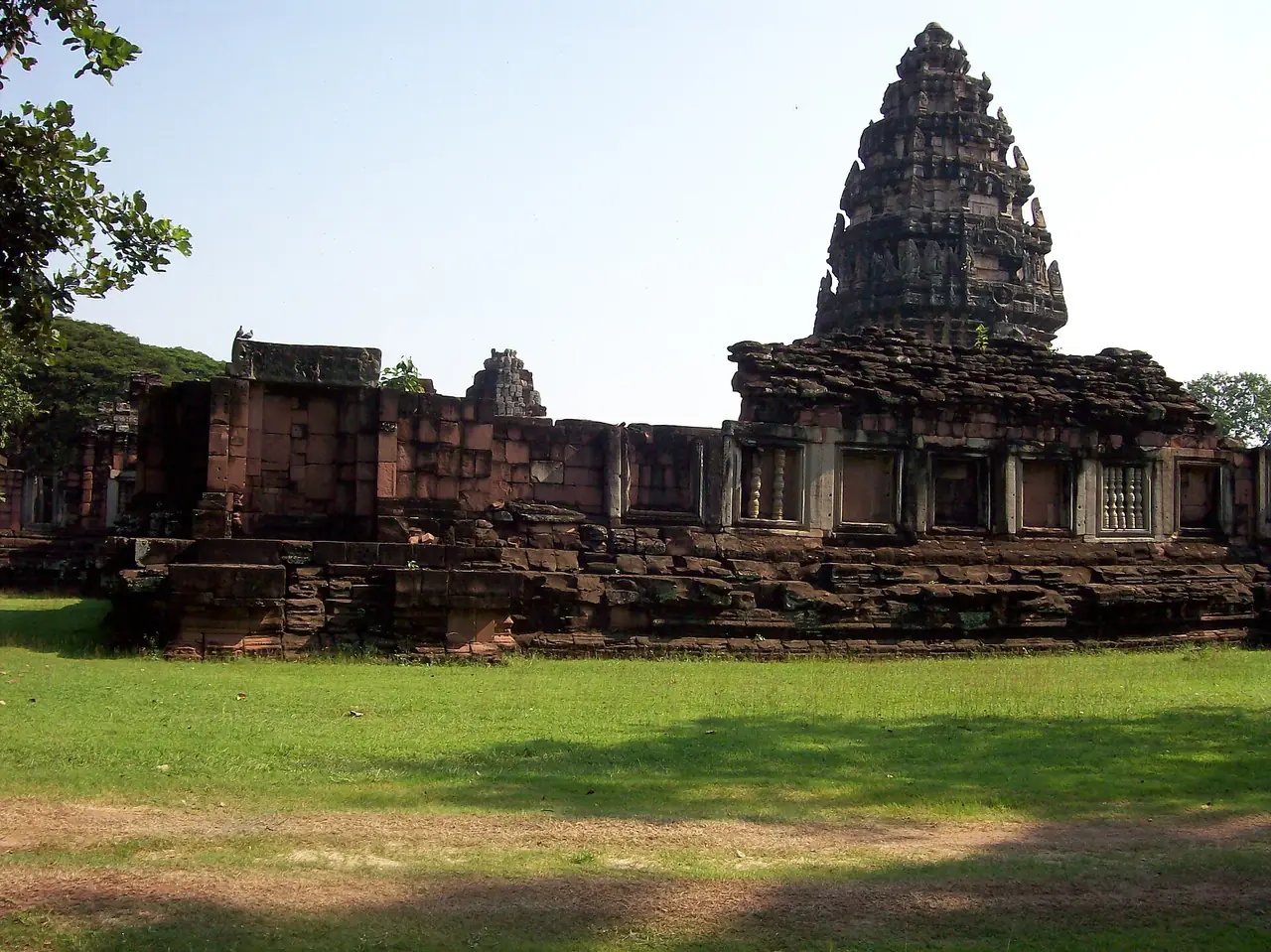
For the other great Khmer sanctuary in the region, Phanom Rung in a different province, see Buriram; it is a separate trip by road.
Pak Chong and Khao Yai
The west of the province is the true gateway into Isan. Wikipedia says Pak Chong is the westernmost district of Nakhon Ratchasima, that the main road and rail lines cross the Dong Phaya Yen mountains there into the region, and that it holds the main entrance of Khao Yai National Park. The resort area just south of the town, next to the park, is generally called Khao Yai. Wikipedia also says Khao Yai was declared Thailand's first national park on 18 September 1962, and became part of a UNESCO World Heritage Site with the surrounding forest complex on 14 July 2005.
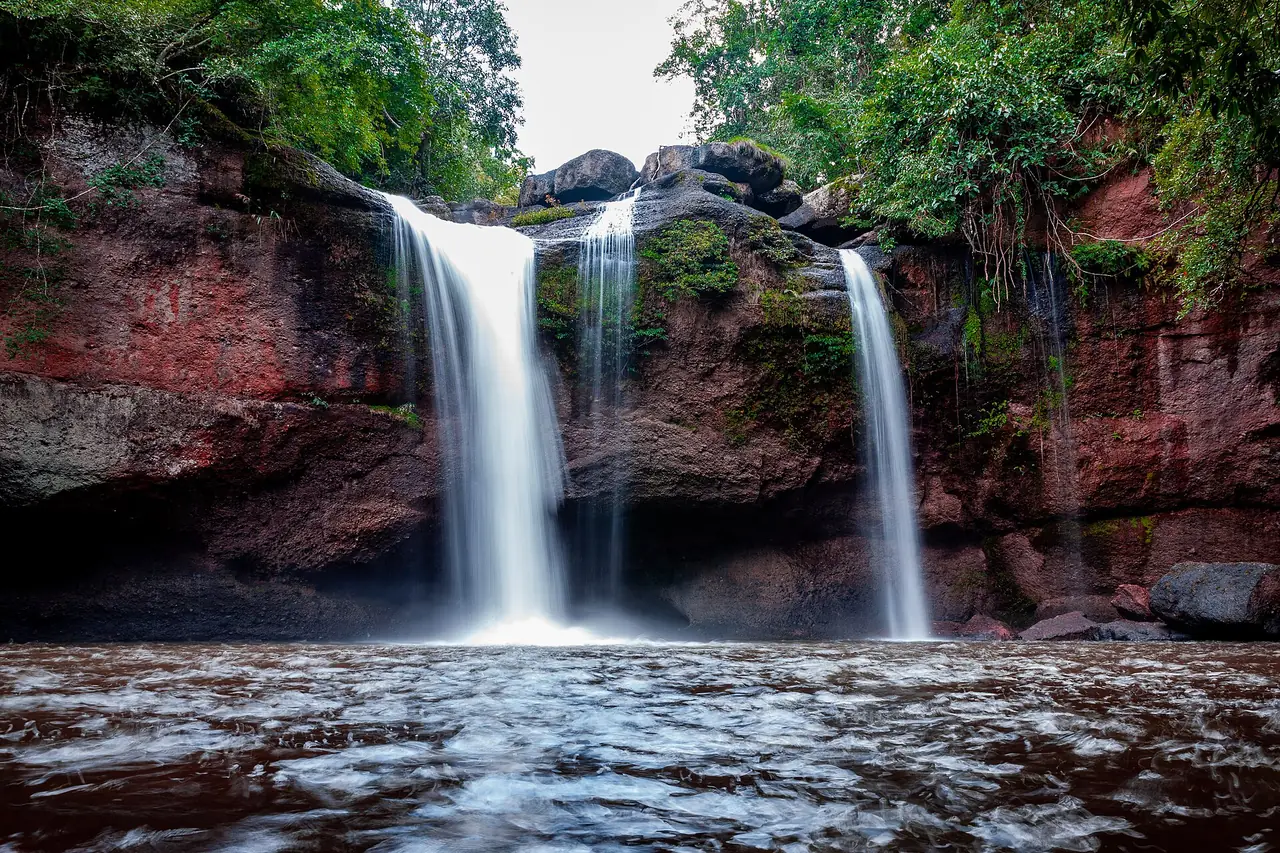
Opening hours, fees and park rules are on our Khao Yai page, which cites the park's own pages and the Department of National Parks fee list. Wang Nam Khiao is a southern district of the province on the Sankamphaeng Range, and Thap Lan National Park is the province's other national park, per Wikipedia. We did not check hours or fees for those two, so we give no figures.
When to go
The climate chart in Wikivoyage (taken from Wikipedia) gives a rough picture for Nakhon Ratchasima. January has an average low of about 19.2 C, an average high of 31.0 C and about 8.6 mm of rain. April is the hottest month on the chart, with an average high of 36.6 C. September is the wettest at about 238.8 mm, and December the driest at about 2.6 mm. Wikivoyage sums it up: November to January is dry and relatively cool, though daytime temperatures often still pass 30 C, while March to June is hot with possible heavy rain, especially in May. These are long-term averages from a secondary source, so check the real forecast with the Thai Meteorological Department before you travel, and see Thailand best time by region to compare with other parts of the country.
Wikivoyage lists two events apart from the Ya Mo festival: the Phimai Festival and boat races on the Mun River, held on the second weekend of November. That listing is old, so confirm the dates.
Where to stay
We could not check enough hotels against their own official websites to publish a full stay page: the rule is eight or more, and we reached fewer. This section therefore gives area advice only, without ranking hotels.
- Chumphon Gate and the old city: you can walk to Ya Mo, the night markets and restaurants, which suits train and bus travellers without a car. Wikivoyage warns that many cheap hotels in this area are dated and vary a lot, so look at recent reviews.
- Along Mittraphap Road (Highway 2): Wikivoyage says malls and several hotels line this road into the city. It suits drivers who want parking, but you will need a ride into the centre.
- Near the railway stations: Wikivoyage places the main Nakhon Ratchasima station about 2 km from the centre, and Thanon Chira Junction just south of the old city.
- Phimai town: if Phimai is the main goal, sleeping near the park saves the morning transfer. We did not check hotels there.
- Pak Chong and Khao Yai: if the park is the main goal, sleep near Pak Chong instead of in Korat city. Our where to stay in Khao Yai page covers hotels we checked against their own sites.
Why we fell short: several official hotel sites linked from Wikivoyage no longer load, and others fill in their room text with scripts, so there was no page text we could verify. We name no hotel that failed.
Nearby destinations
- Khao Yai: Thailand's first national park, on the west side of the province
- Phanom Rung and Phimai guide: the two big Khmer stone temples of Isan
- Buriram: the province to the south, with Phanom Rung and the motorsport circuit
- Khon Kaen: further north along the railway
- Nakhon Nayok and Prachinburi: on the alternative route from the east
- Isan hub and the Isan travel guide
- Bangkok and Thailand overview
- Chaiyaphum: Pa Hin Ngam, Siam tulip fields and Tat Ton waterfall
- Maha Sarakham: Phra That Na Dun, Wat Photaram and the university town
FAQ
How do I get from Bangkok to Korat?
By train on the northeastern line, by bus from Mo Chit, or by car on Highway 2, about 259 km according to Thai Wikipedia. Korat airport has no scheduled flights. 12Go showed 76 trips from THB 147 on 2026-10-16, but fares and drop-off points vary, so check before booking.
What is there to do in Korat in one day?
The city fills half a day to a day: Ya Mo at the Chumphon Gate, the pedestrian strip and markets, Wat Sala Loi, and a stop at Dan Kwian or Phanom Wan. With one day and an interest in temples, go to Phimai instead.
How far is Phimai from Korat?
The Fine Arts Department puts Phimai about 60 km north-east of Korat city. It opens 07:00 to 18:00 and charges foreigners 100 baht and Thais 20 baht (checked 2026-10-16). Details are in the Phanom Rung and Phimai guide.
Is Khao Yai in Nakhon Ratchasima province?
Yes. The main entrance is in Pak Chong district, the westernmost district of the province, and you pass through it on Highway 2 before reaching Korat city. If the park is your main goal, you do not need to go into Korat city. See Khao Yai.
When is the best time to visit Korat?
Per the Wikivoyage climate chart, November to January is dry and relatively cool, September is the wettest month and March to April is hottest. The Ya Mo festival at the end of March and early April draws crowds in the hottest weather.
Is the high-speed train to Korat open?
No. Wikipedia says the Bangkok to Nakhon Ratchasima section began construction in 2017, was 52.4 percent complete in March 2026 and is expected to open in 2030. Use the existing train, bus or car for now.
Where should I stay?
Near the Chumphon Gate if you have no car, along Highway 2 if you drive, and near Pak Chong if you are going to Khao Yai. We could not verify enough hotels on their official sites to rank Korat hotels, so we give area advice only.
Official sources and further reading
- Nakhon Ratchasima province (Wikipedia)
- Nakhon Ratchasima city (Wikipedia)
- Nakhon Ratchasima (Wikivoyage)
- Mueang Nakhon Ratchasima district (Thai Wikipedia)
- Thao Suranari (Wikipedia)
- Wat Sala Loi (Thai Wikipedia)
- Dan Kwian (Wikipedia)
- Prasat Phanom Wan (Wikipedia)
- Fine Arts Department, Phimai Historical Park: services, hours and fees
- Pak Chong district (Wikipedia)
- Khao Yai National Park (Wikipedia)
- Bangkok-Nong Khai high-speed railway (Wikipedia)
- 12Go Bangkok to Nakhon Ratchasima
- State Railway of Thailand
- Thai Meteorological Department
Prices, schedules and entry rules change. Figures here are approximate as of 2026; always confirm on the official or operator page before you book. Spotted something out of date? Tell us.