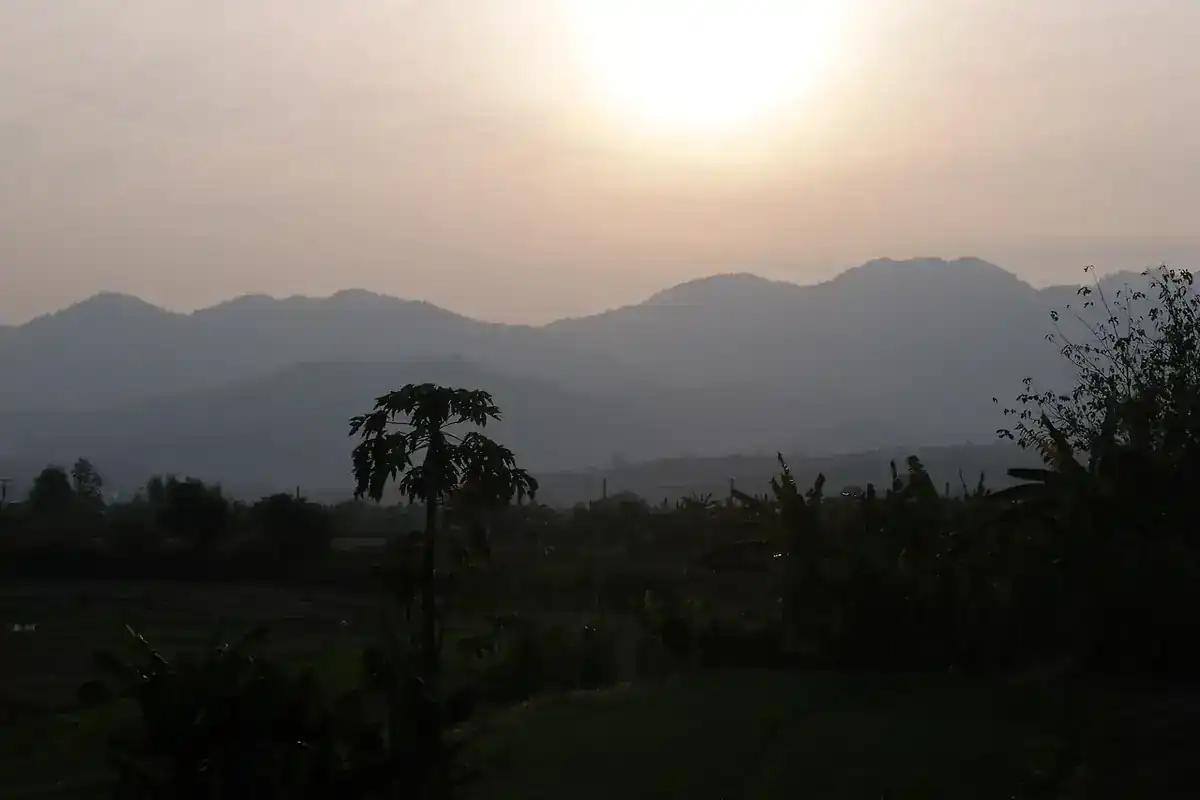
Phu Chi Fa in Chiang Rai and Doi Ang Khang in Chiang Mai are the two best-known places in northern Thailand to watch a sea of mist at dawn. The short answer: go in the cool season, roughly November to February, arrive before sunrise, and expect a cold start. The Tourism Authority of Thailand (TAT) lists Phu Chi Fa as open daily 05:00 to 18:00 and Doi Ang Khang as open daily 08:00 to 17:00, but neither TAT page lists an entrance fee, and other sites disagree, so confirm at the gate. There is no public bus to either summit.
This page covers both mountains in one place because most visitors choose between them. They are in different provinces, far apart, so most trips pick one. We read the TAT pages on 2026-10-16. We have not visited, and mist is never guaranteed, so we do not promise it.
Which one should I choose?
| Phu Chi Fa (Chiang Rai) | Doi Ang Khang (Chiang Mai) | |
|---|---|---|
| Known for | A cliff-edge viewpoint over the valley, sunrise mist | A royal agricultural station, Kiew Lom viewpoint, flower and vegetable plots |
| TAT hours | Daily 05:00-18:00 | Daily 08:00-17:00 |
| Fee | Not listed by TAT; one site says not charged | Not listed by TAT; one site says 50 baht per adult and per car |
| Base town | Chiang Rai city or Thoeng | Chiang Mai, or Fang to the north |
| Best for | Sunrise ridge walk, photographers | Cool weather, farm visit, blossoms in winter |
| Road | Paved main road; can flood near Thoeng in the wet season (third party) | Steep and winding for about 25 km above the Highway 107 junction (TAT) |
When to go
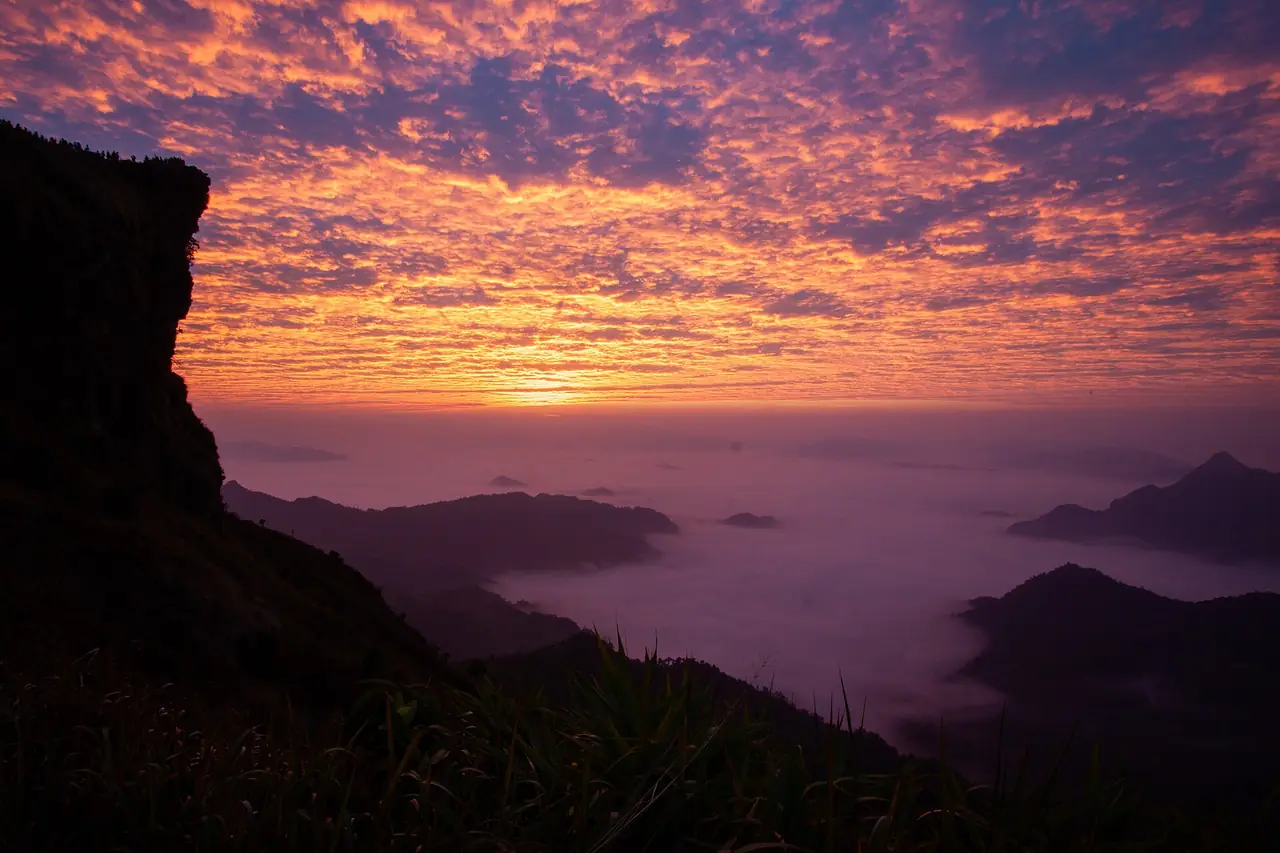
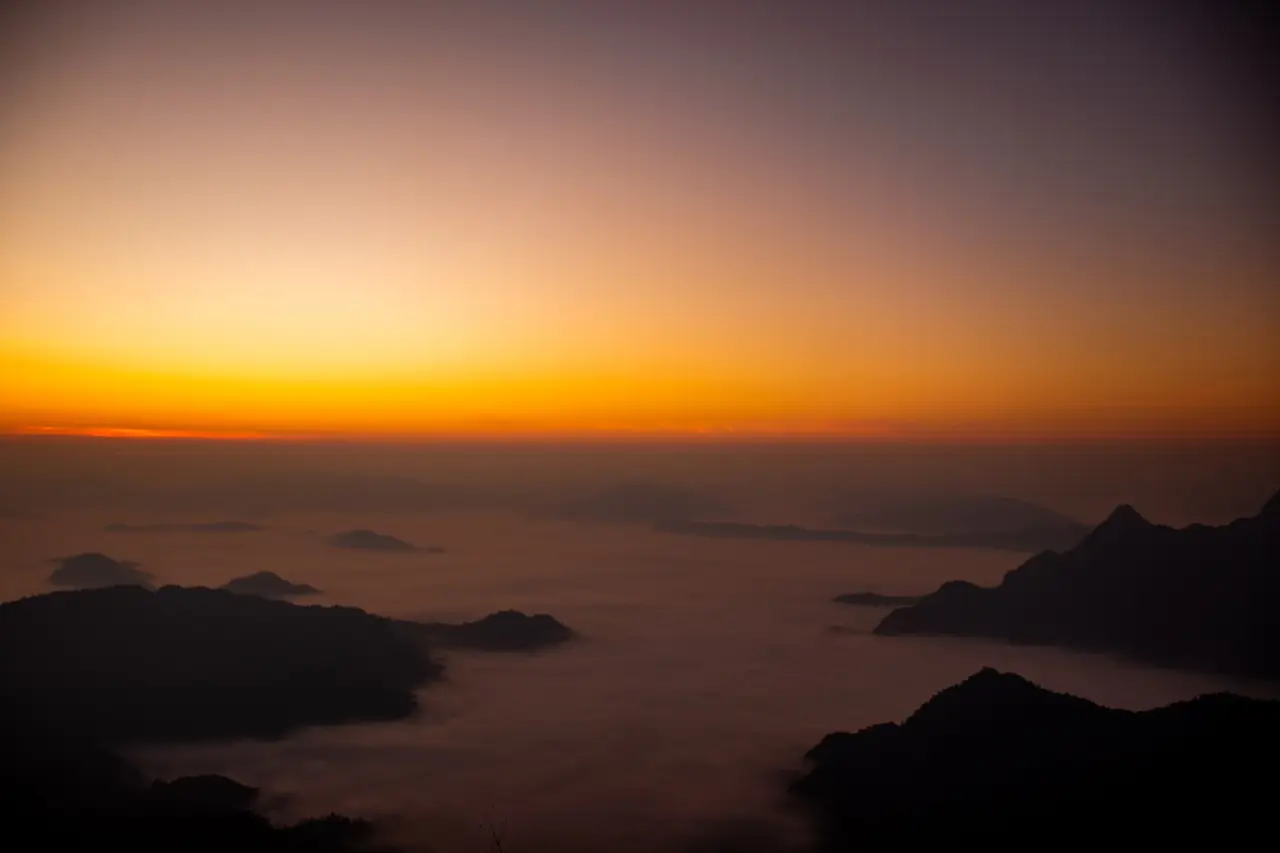
TAT describes Phu Chi Fa as especially popular in winter, when visitors reach the cliff for the valley view and the sea of mist at sunrise. A travel site gives November to February as the season and says March and April bring haze instead of mist. For Doi Ang Khang, TAT says the weather is nice all year and coldest from November to January, with the Kiew Lom viewpoint offering sunrise and sea of mist in the morning, and sunset at the tip of the mountain.
Mist depends on cold, clear, calm mornings, so some days are clear and some are cloudy. Check the forecast the evening before, and keep one spare morning in your plan if you can.
Phu Chi Fa
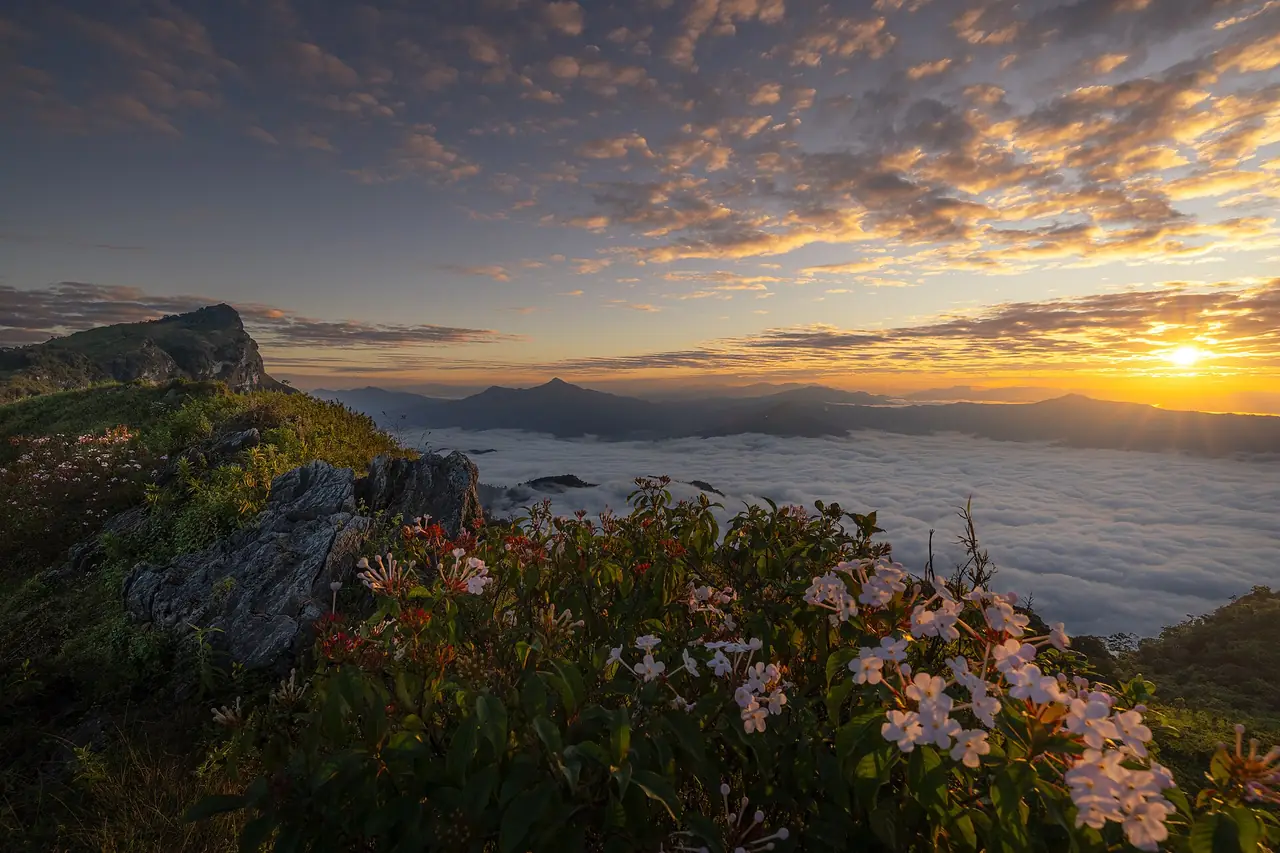
TAT lists Phu Chi Fa Forest Park as a national park and marine reserve entry, in Wiang Kaen district of Chiang Rai, open daily 05:00 to 18:00, with a park phone of +66 5371 4914. It also says overnight stays are possible at Ban Rom Fa Thong and Ban Rom Fa Thai. A travel site gives the cliff's height as 1,628 metres in a blog teaser, and says there is no public transport to the summit and that the road from Thoeng can flood in the wet season.
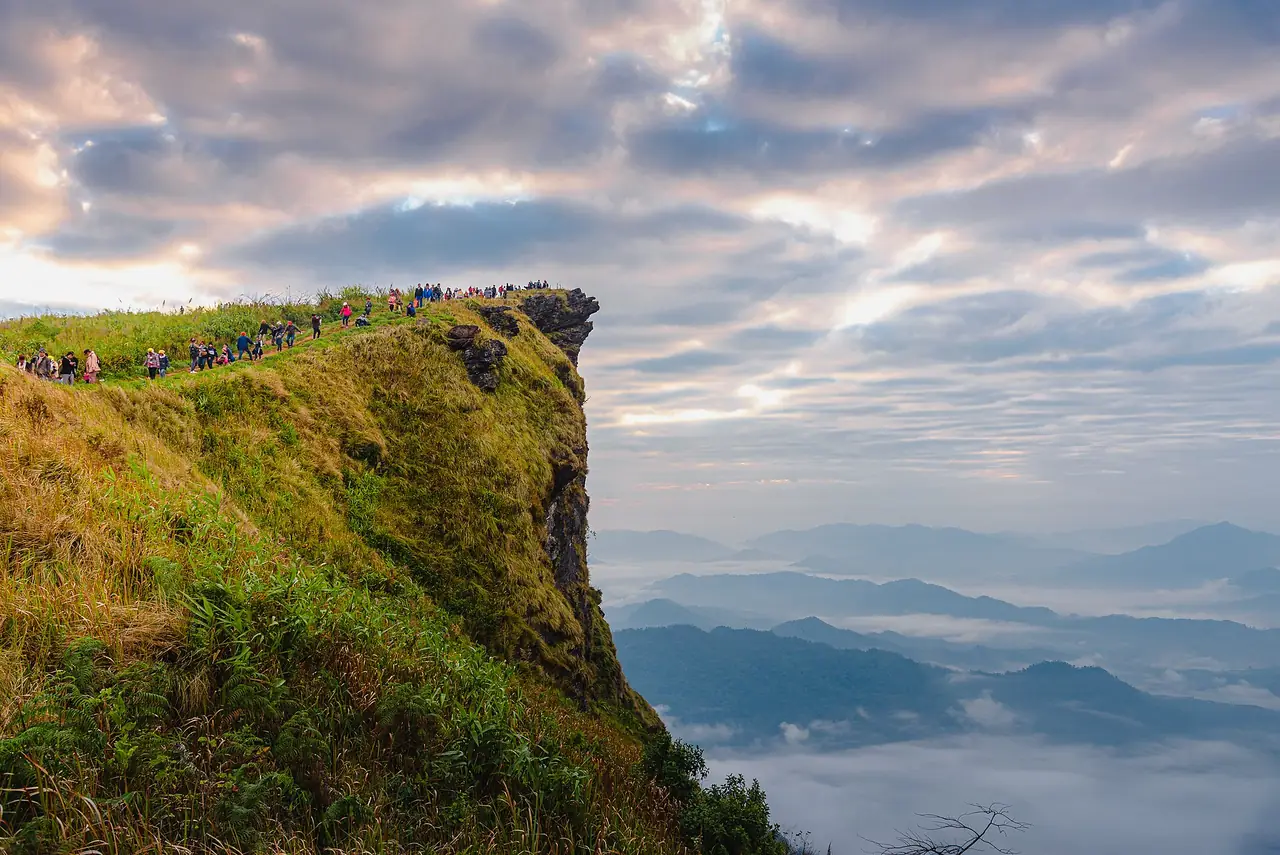
Plan to reach the car park before first light. The viewpoint is a high, open cliff edge in the cold, so wear warm layers, closed shoes and carry a torch. Keep well back from the drop, especially in the crowd and in the dark, and keep children close.
Doi Ang Khang
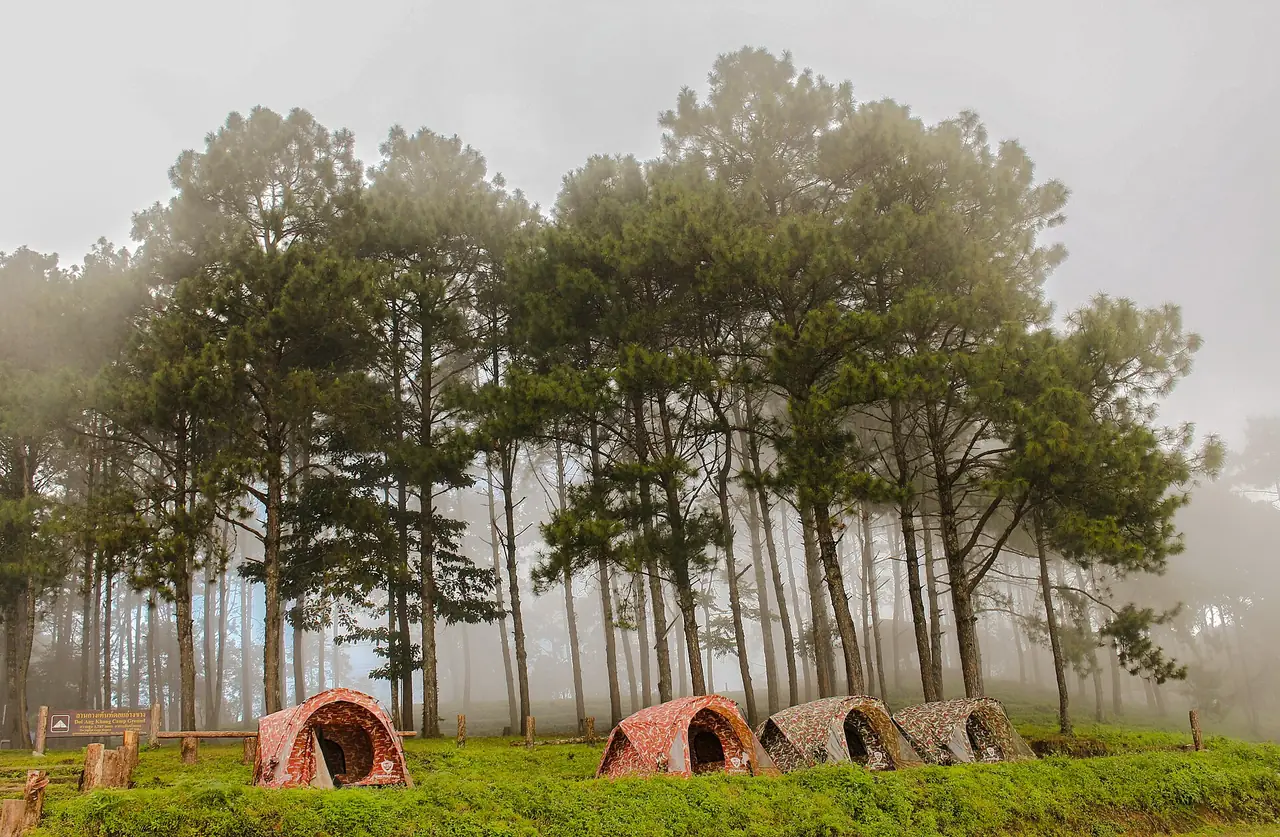
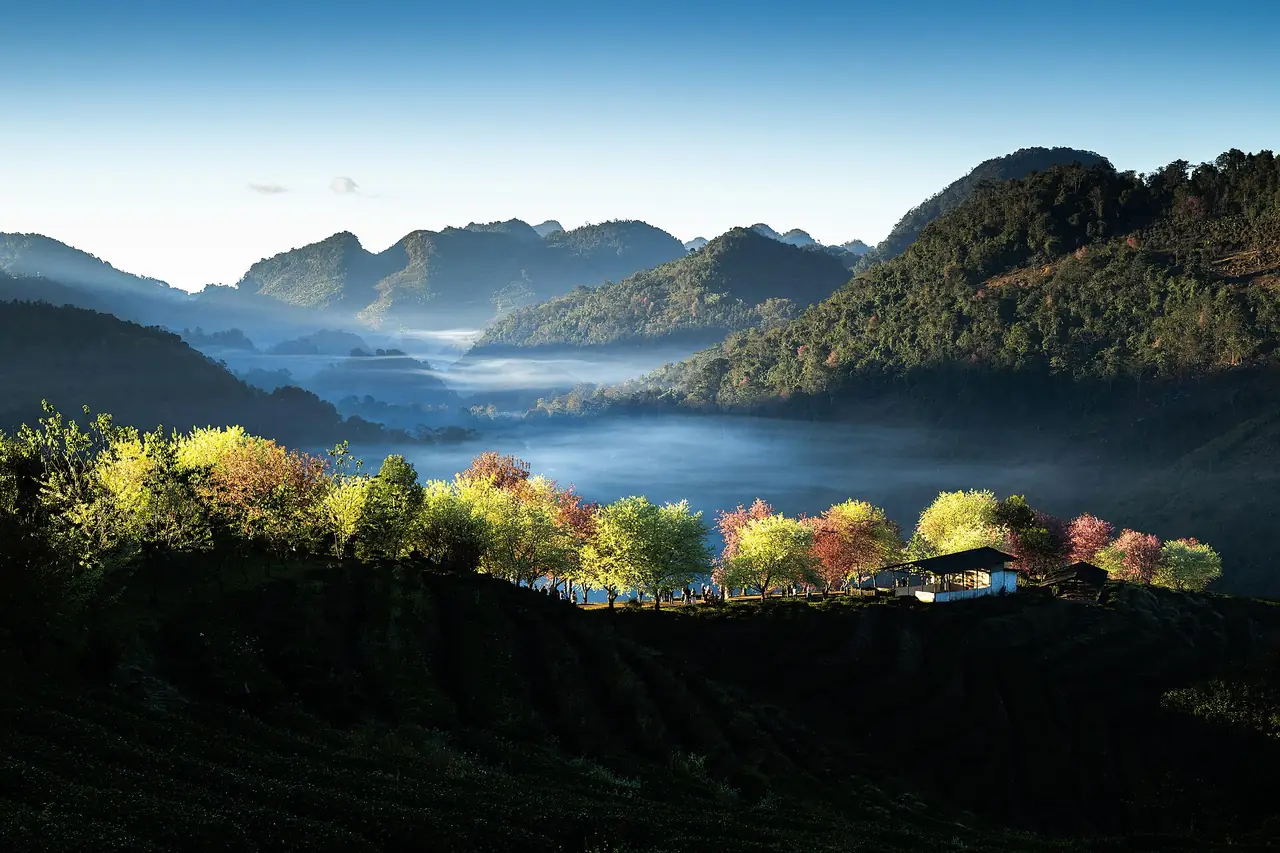
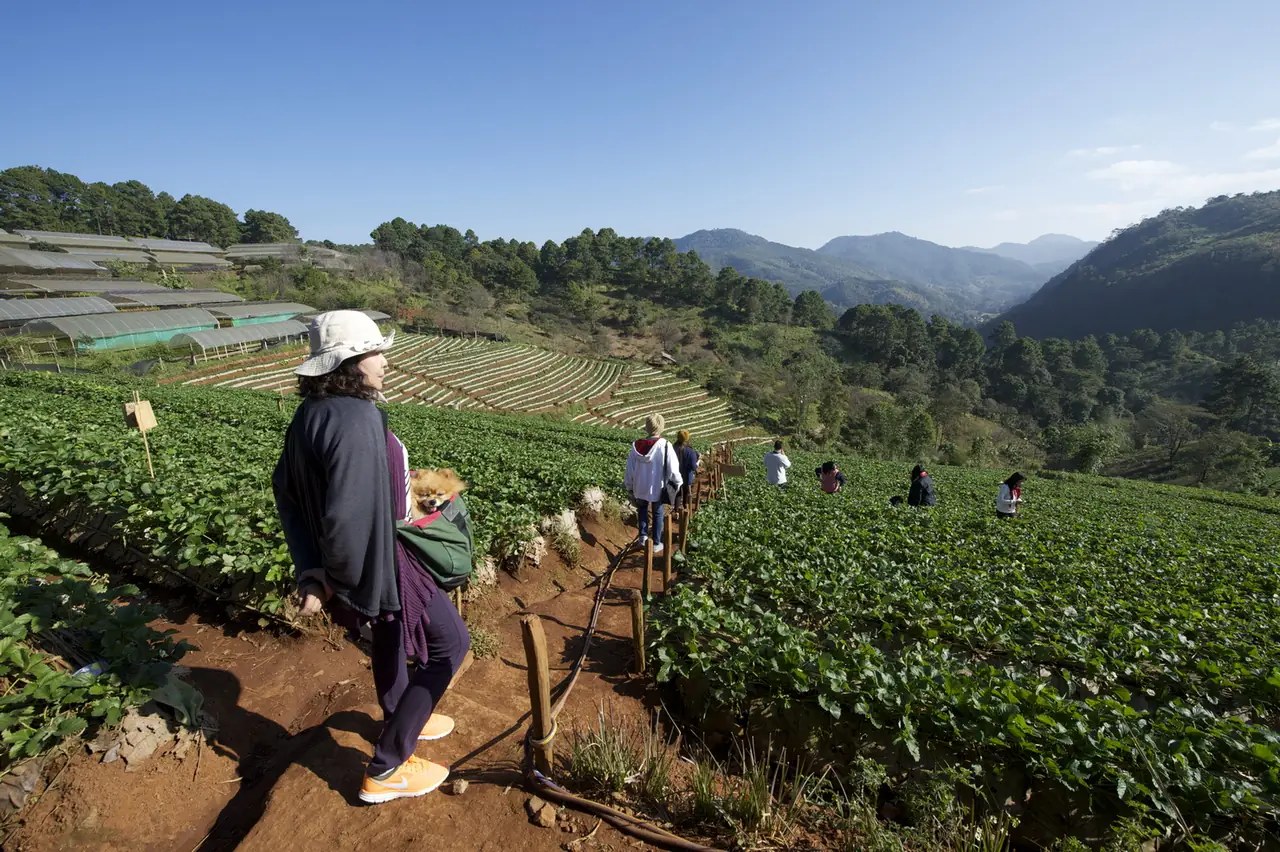
TAT describes Ang Khang Royal Agricultural Station as the first station of the Royal Project, set on a hill with scenic views and a cool climate. It lists the Bonsai Garden (best from November to January), the Kiew Lom viewpoint, and villages including Ban Khum, Ban Nor Lae and Ban Khop Dong, plus accommodation at the Ang Khang Natural Resort. TAT's own opening hours are daily 08:00 to 17:00, tel +66 5396 9492. A travel site gives the elevation as roughly 1,400 metres.
Roads and safety
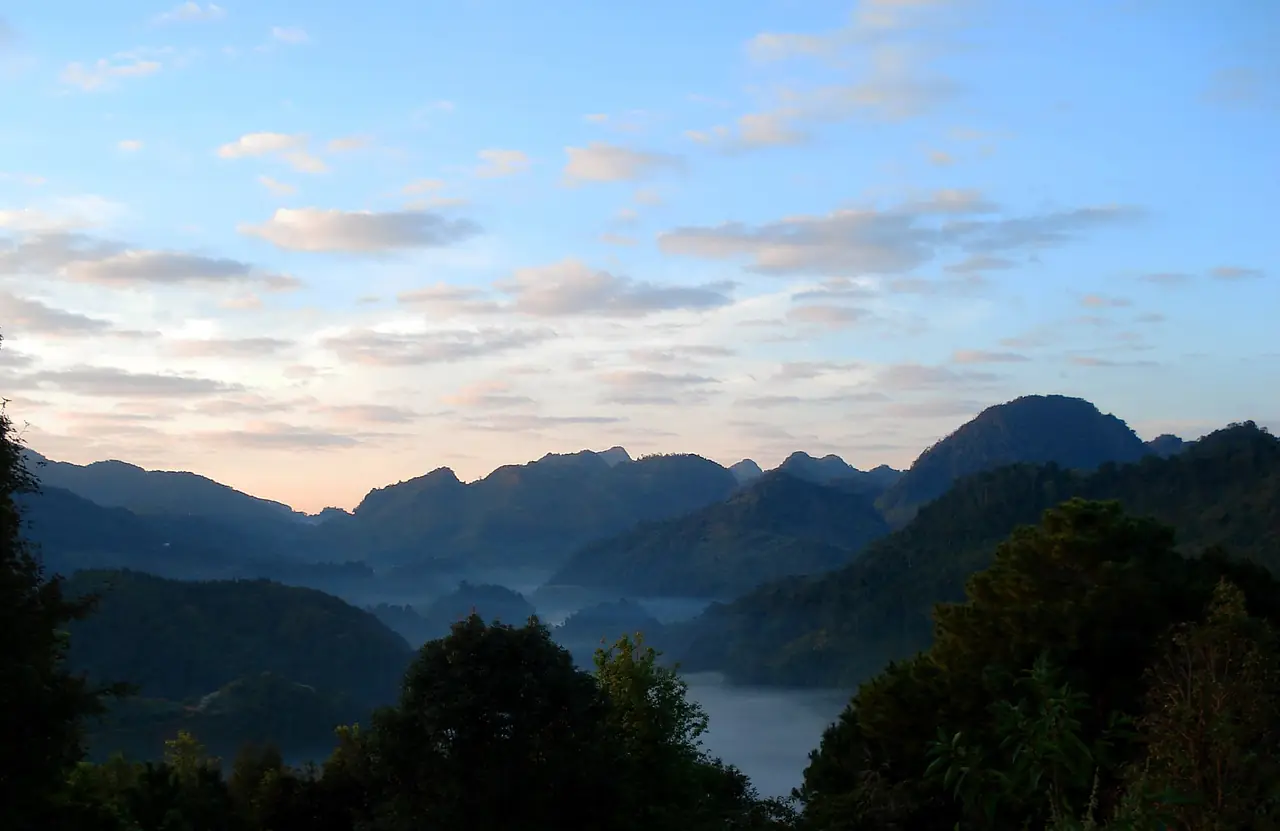
- Doi Ang Khang: TAT says you need a powerful vehicle and an experienced driver for the steep climb. Take Highway 107 (Chiang Mai to Fang), turn left near the Mae Kha market junction around km 137, then continue about 25 km. A travel site advises avoiding the drive in the dark.
- Phu Chi Fa: A travel site says the main road is paved but steep and winding in places. Mountain fog can cut visibility on the way up, so drive slowly.
- No public bus to the top: TAT mentions songthaew taxis from Mae Kha market for Doi Ang Khang; for Phu Chi Fa a travel site says there is no public transport to the summit. Hire a driver or car.
- Cold: Mountain mornings can be near freezing. Pack a jacket, a hat and gloves.
- Emergency numbers: 191 police, 1669 medical, 1155 Tourist Police.
Do not rent a motorbike for these roads unless you are an experienced rider with insurance and a licence.
Getting there and what we can and cannot book
For Phu Chi Fa, fly or take a bus or minivan to Chiang Rai, then hire a car, a driver or a tour for the last part. For Doi Ang Khang, base yourself in Chiang Mai and drive north on Highway 107. See Chiang Mai to Chiang Rai for the long leg, the Chiang Rai hub and the Chiang Mai hub.
There is no booking box on this page. The only transport route we have registered nearby, Chiang Mai to Chiang Rai, ends in Chiang Rai city and does not reach either mountain, so it would not be an honest fit. Overnight stays at the mountains are arranged locally.
Costs
We have no verified prices for car hire, drivers or tours for these two mountains, so we show none. Park and station fees are not listed on the TAT pages, and third-party sites disagree, so bring small cash and ask at the gate.
Combine with the rest of your trip
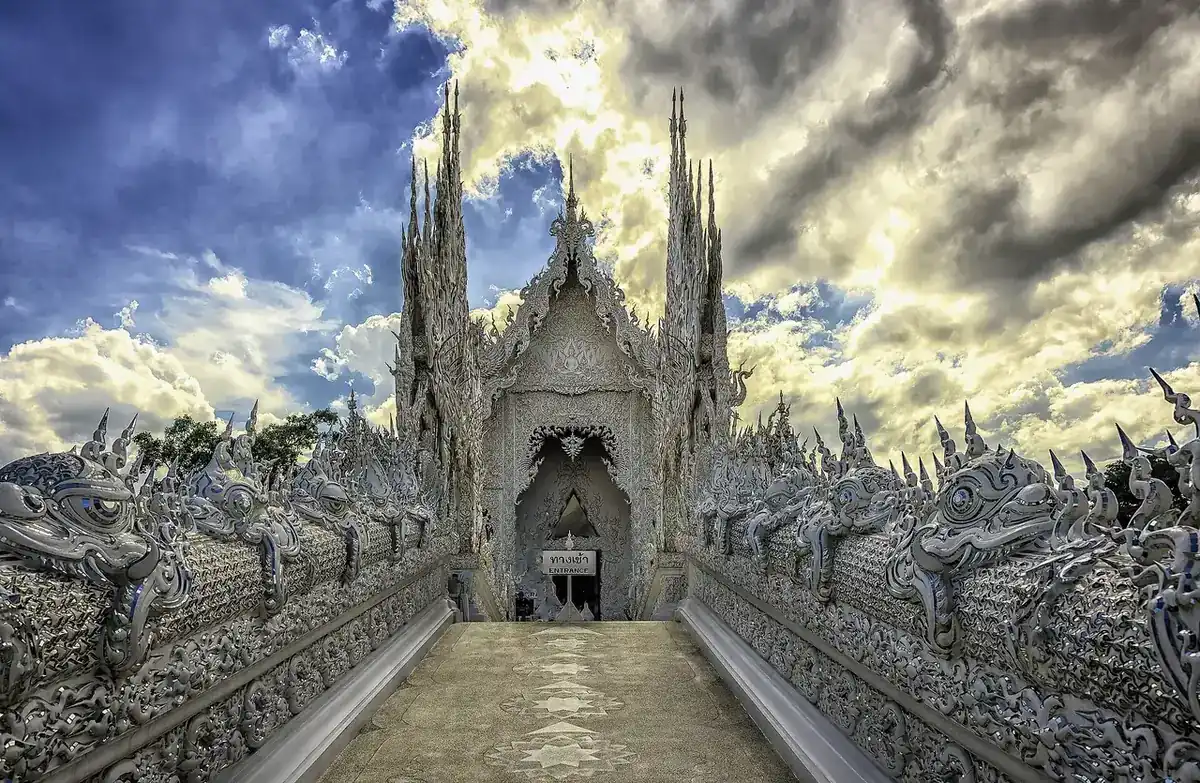
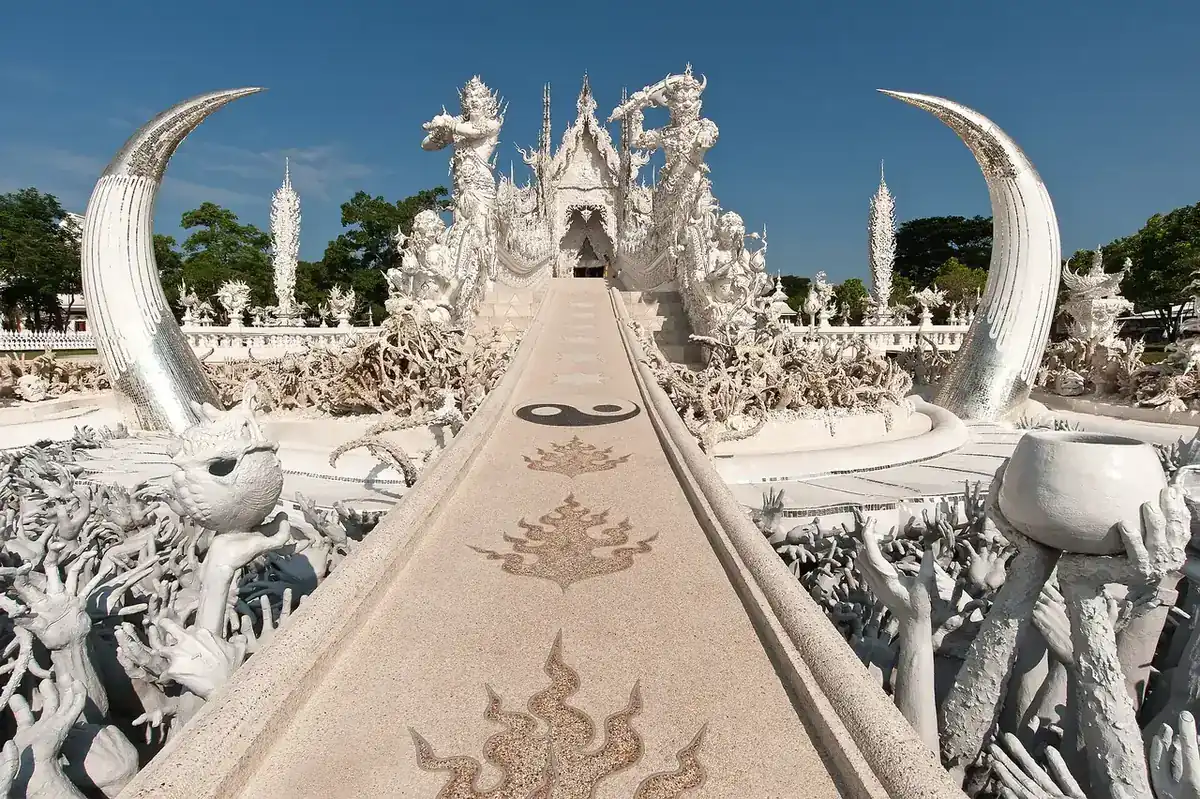
From Phu Chi Fa you can continue to the Black House and Blue Temple and the White Temple. If you prefer a mountain day from Chiang Mai, see the Doi Inthanon day tour.
FAQ
When is the best time to see the sea of mist?
Roughly November to February, on cold, clear mornings. A travel site says March and April bring haze instead. Mist is not guaranteed on any day.
What time should I arrive at Phu Chi Fa?
Before sunrise. TAT lists the park as open from 05:00, so plan to be at the car park around then and check the sunrise time for your date.
How much does it cost?
TAT does not list entrance fees for either place. Third-party sites say Phu Chi Fa is currently not charged and Doi Ang Khang is 50 baht per adult and 50 baht per car, or free. Treat these as unconfirmed and ask at the gate.
Can I get there by public transport?
Not to the summit. Take a bus or minivan to Chiang Rai (or Chiang Mai for Doi Ang Khang) and then hire a car, a driver or a tour.
Is the road safe?
It is paved but steep and winding, and TAT advises a powerful vehicle and an experienced driver for Doi Ang Khang. Drive slowly, avoid the dark and fog if you can, and skip motorbikes unless you are experienced.
Can I do both in one trip?
Yes, but they are in different provinces, so allow a full travel day between them and treat each sunrise as its own early start.
Official sources and further reading
- Tourism Authority of Thailand: Phu Chi Fa Forest Park (hours, phone, winter sea of mist)
- Tourism Authority of Thailand: Doi Ang Khang (hours, Kiew Lom viewpoint, directions, road advice)
- Thai Holiday Guide: Phu Chi Fa (season, no public transport, flooding; third-party)
- Love Thailand: Doi Ang Khang National Park (fees, seasonal hours, elevation; third-party)
- Thai Holiday Guide: Angkhang Royal Agricultural Station (fee and hours; third-party)
- Tourism Authority of Thailand
Prices, schedules and entry rules change. Figures here are approximate as of 2026; always confirm on the official or operator page before you book. Spotted something out of date? Tell us.