Wat Phra That Doi Suthep is the hilltop temple above Chiang Mai that most visitors list as the first thing to see in the north. The short answer for planning: the Tourism Authority of Thailand (TAT) lists a 30 baht fee for foreign adults, the temple is about 11 km from the city centre, you climb the serpent staircase or take an electric tram (50 baht for foreigners, per TAT), and the best plan is to go early in the morning, dress for a temple, and combine it with the old city or Nimman in the same half day.
Facts below are from the TAT listing, read on 2026-10-16. TAT's page does not give clock hours (it says "Daily"), and fees change, so confirm at the gate. Some other guides report higher temple prices than TAT does, which is why we state the source of each number.
What the temple is
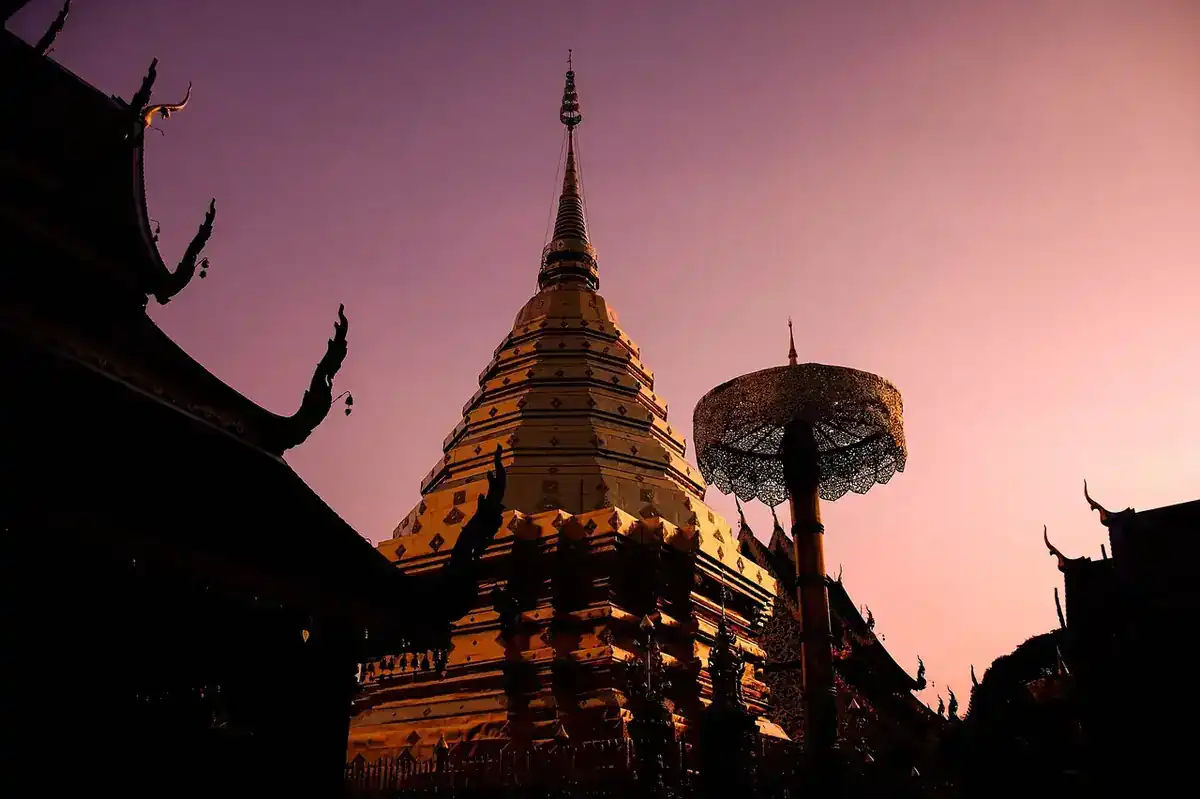
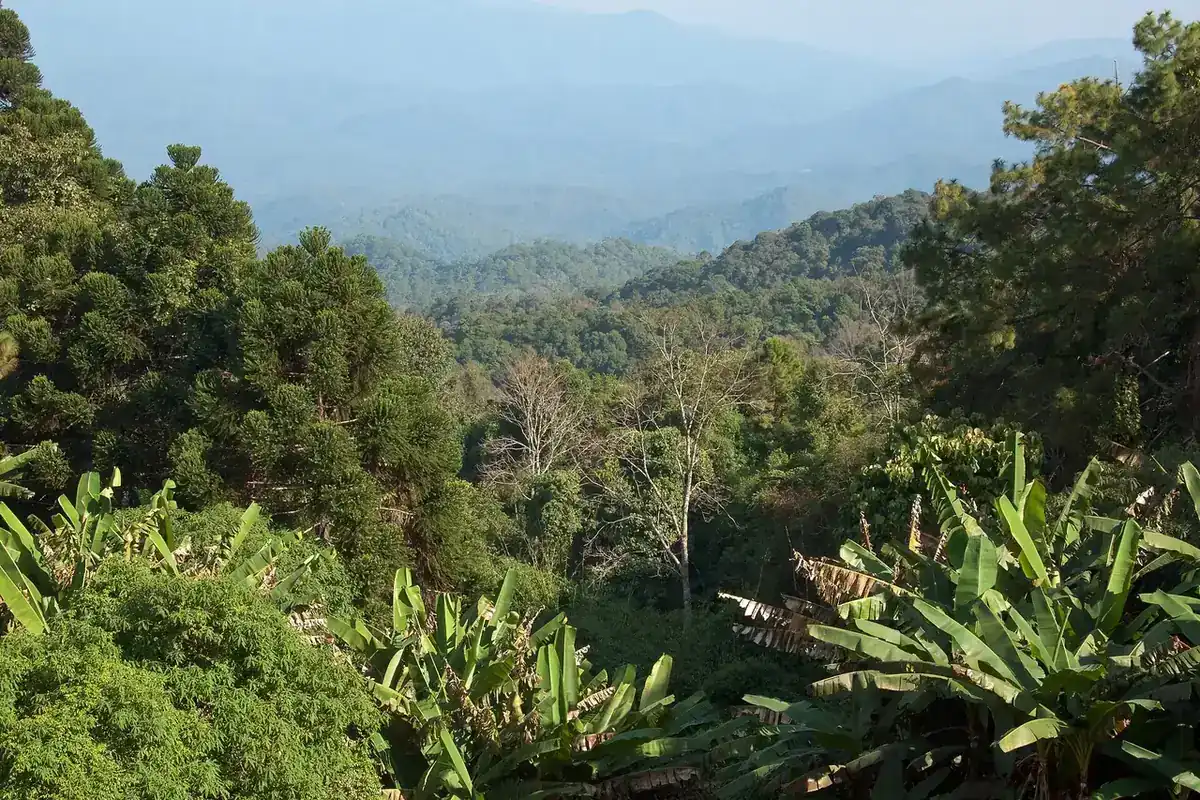
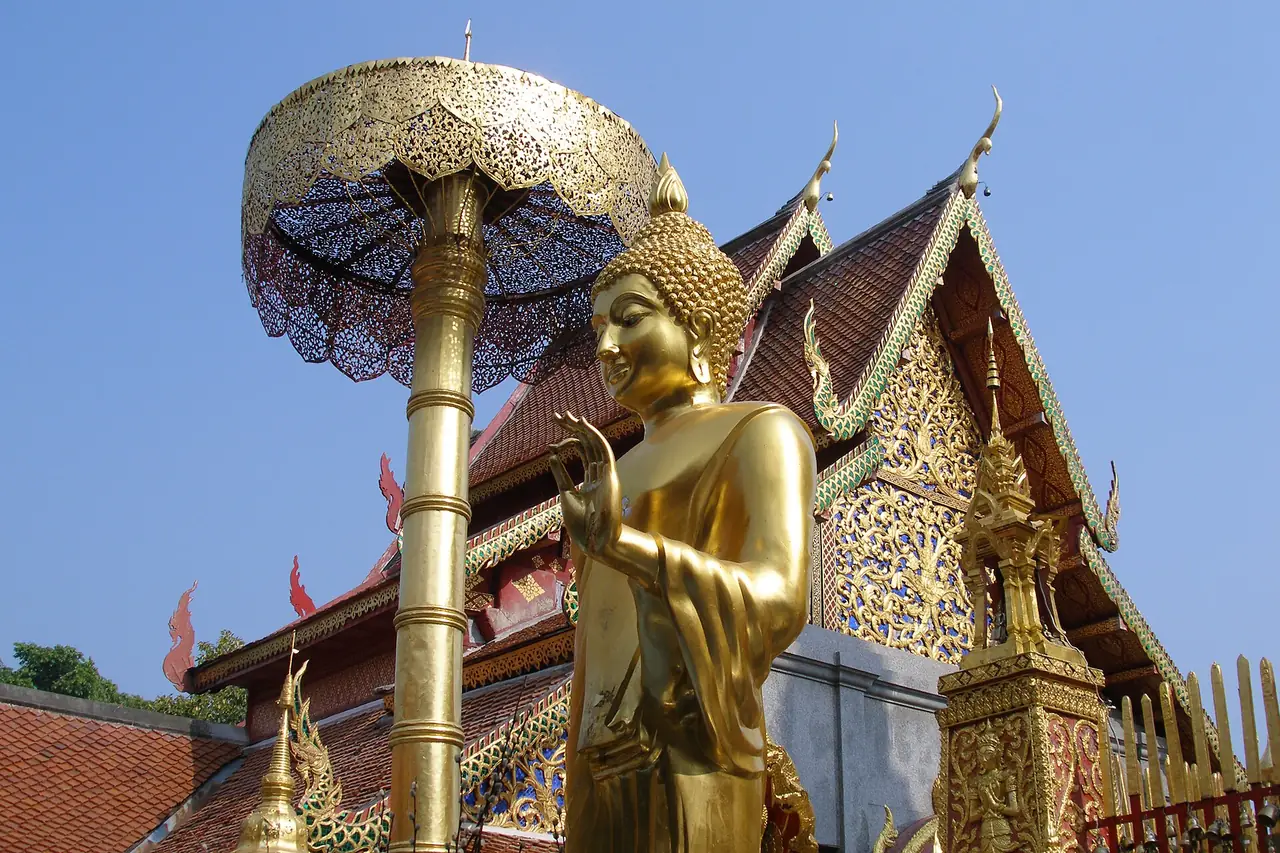
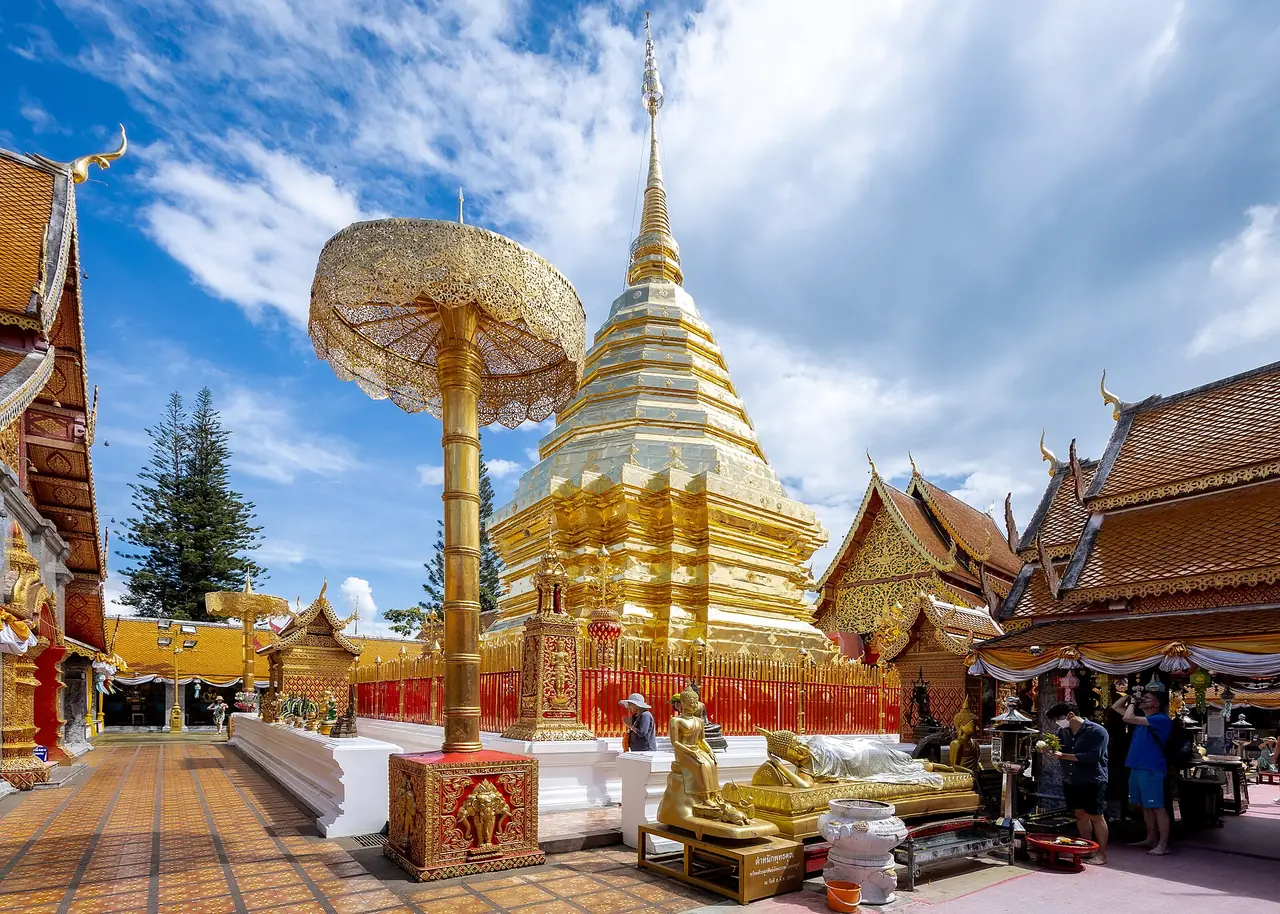
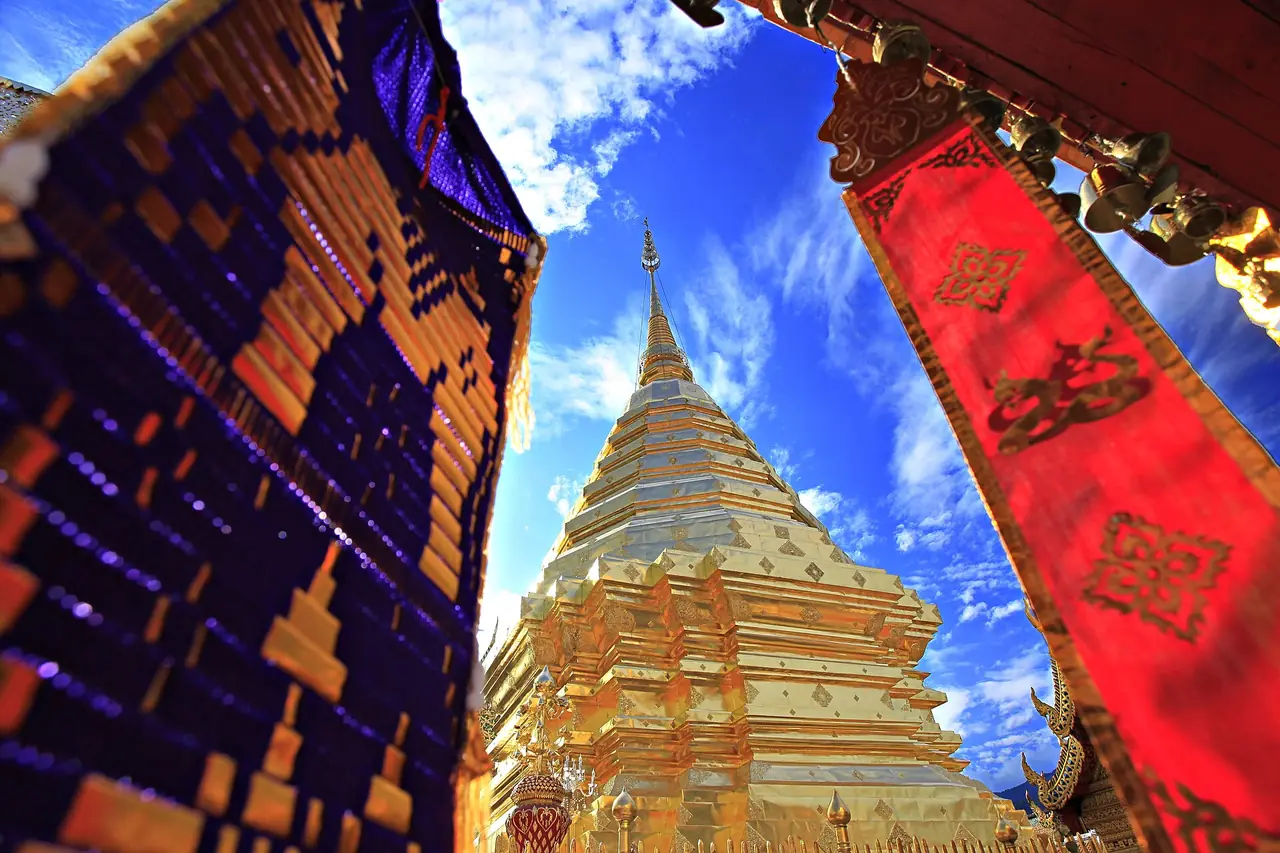
TAT calls Wat Phra That Doi Suthep the most important temple in Chiang Mai. Its marks, in TAT's words, are seven-headed serpent statues lining the stairs, a Chiang Saen style golden pagoda and Lanna architecture, plus the view of Chiang Mai below. The temple sits on Doi Suthep, a hill inside Doi Suthep-Pui National Park, in Tambon Suthep, Amphoe Mueang.
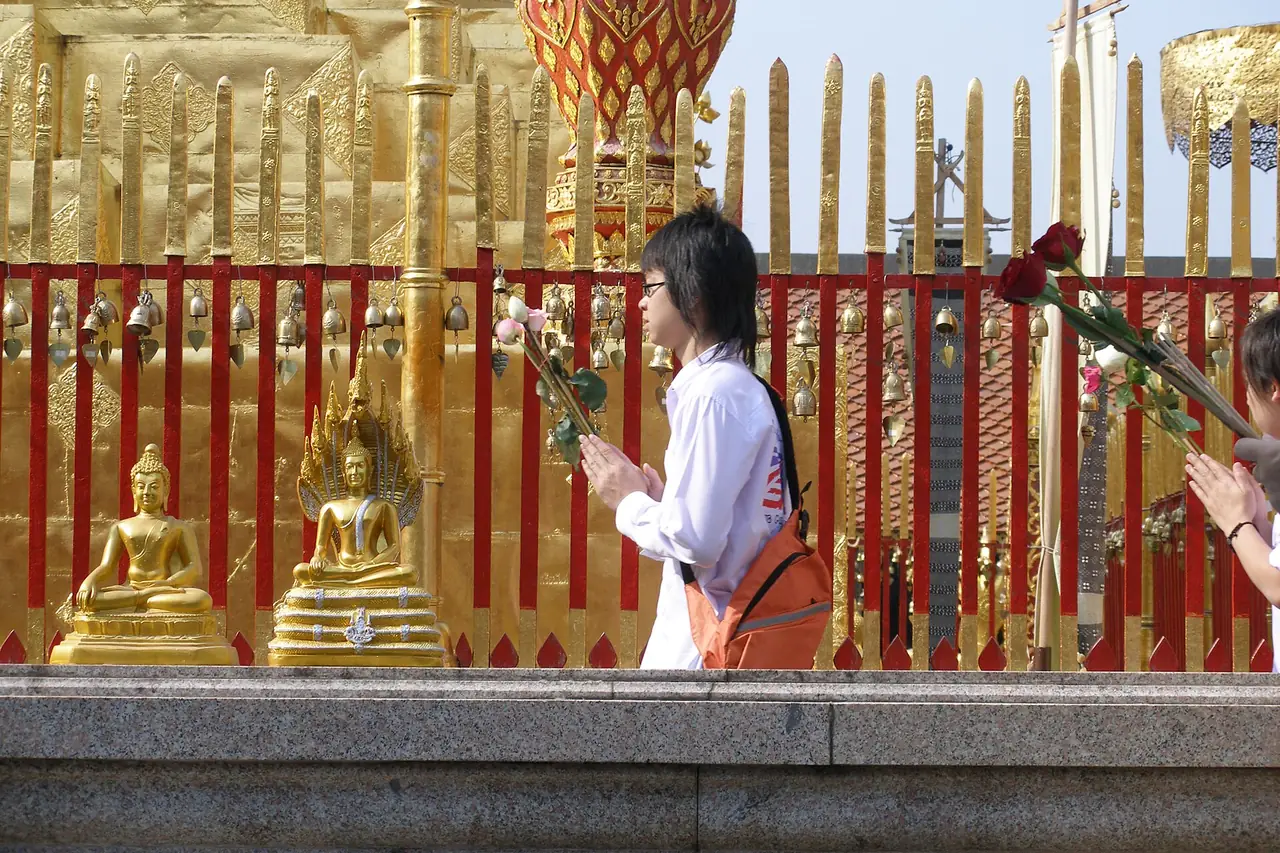
TAT also describes an annual Tiaw Khuen Doi festival, which is the travel up the hill to worship the Buddhist relics enshrined there. TAT's separate event page covers the traditional walk up Doi Suthep on Visakha Bucha day. If your dates fall around a major Buddhist holiday, expect heavier crowds and different access.
Fees and the tram
| Item | TAT listing (2026-10-16) |
|---|---|
| Foreign adult entrance | 30 baht |
| Opening hours | Daily (no clock times given) |
| Electric tram | 6:00-18:00; 20 baht for Thais, 50 baht for foreigners |
| Small buses from Chiang Mai University | 5:00-17:00 |
| Distance from the city | About 11 km |
Doi Suthep-Pui National Park also appears in the parks authority's 2023 fee file (100 baht foreign adult, 50 baht child). Whether you are charged the park fee on the road or only the temple fee depends on the checkpoint, so ask at the entrance and read the sign rather than relying on an old fee table. The parks list is more than three years old.
Prices at the temple are set by the temple and the park, not by tour sellers. If a driver says you must pay a different "entrance fee", compare it with the signs at the ticket window.
Stairs or tram
TAT gives the two ways up: walk up the seven-headed serpent stairs, or take the electric tram. TAT's Chiang Mai travel article counts about 306 steps on the naga staircase, while other guides give slightly different totals, so treat the number as roughly 300. The staircase is a good photo spot but can be hot and crowded by late morning; the tram is useful for older visitors, small children and anyone with mobility concerns. Check the tram's last ride before you buy a one-way ticket.
Getting there from Chiang Mai
Distance is about 11 km from the centre, and the road climbs with many bends.
| Option | Notes |
|---|---|
| Shared red songthaew | The standard way. Drivers usually wait until the truck fills, so agree the fare to the temple and the return before you set off |
| Chiang Mai University buses | TAT mentions small buses from the university area, 5:00-17:00 |
| Taxi or ride-hailing | Convenient; confirm the return pick-up, as there are few cars on the hill after sunset |
| Scooter or rental car | Flexible, but the road is steep and busy at weekends; see Chiang Mai car rental and eSIM |
| Organised half-day tour | Often combined with other sights; compare inclusions |
From the airport, read Chiang Mai airport transfers. To reach Chiang Mai in the first place, see Bangkok to Chiang Mai and Chiang Mai to Bangkok.
Dress code and manners
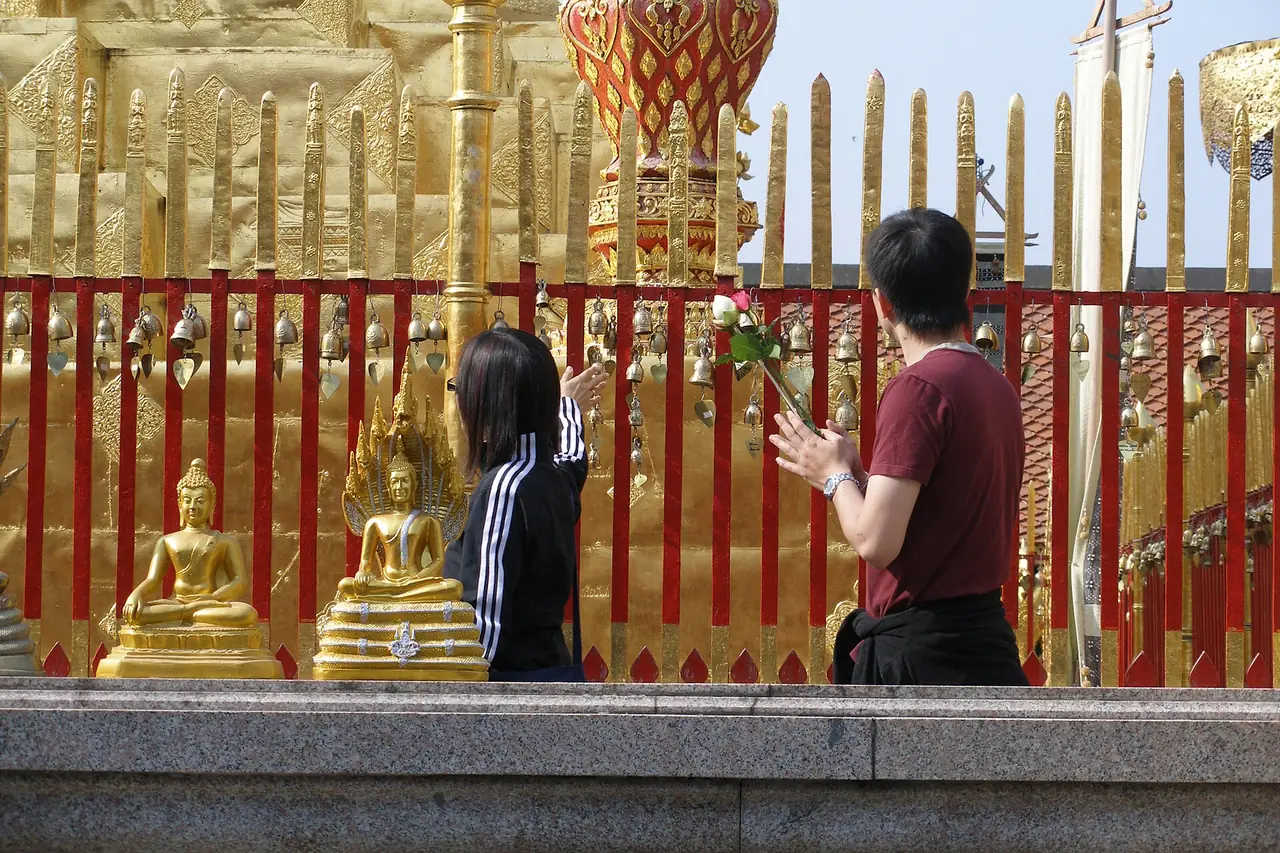
Dress as for any Thai temple: cover shoulders and knees, avoid see-through clothes, and carry a light scarf. Shoes come off before the main terrace and the chedi area. Keep your voice low, do not point your feet at Buddha images, and do not climb on structures. Monks should not be touched by women. The general etiquette is explained in Thailand temple etiquette.
Best time of day and year
Go early. Mornings are cooler, queues at the stairs and tram are shorter, and the view across Chiang Mai is clearest before haze builds. In burning season, roughly February to April, smoke can reduce visibility and air quality in northern Thailand; check the live reading on Air4Thai (air4thai.pcd.go.th) and consider a different day if the air is poor. The cool season from November to February is the most comfortable. Our Chiang Mai winter guide (Thai) and best time to visit Thailand by region have more detail.
A half-day plan
- 7:30: Songthaew or taxi up to the temple; climb the staircase before the heat.
- 8:30-10:00: Walk the terrace and chedi, view the city, and take the tram or stairs down.
- 10:30: Return to the city for breakfast in the old city or Nimman.
- Afternoon: Temples in the old city, a cooking class, or the Doi Inthanon day tour on another day.
This fits Day 2 of the Chiang Mai 3-day itinerary. For other north routes, see Chiang Mai to Chiang Rai, Chiang Mai to Pai and the White Temple day trip. For elephants, see ethical elephant visits.
Safety
Watch the stairs when wet and the road if you drive. Keep valuables close in crowds and see Thailand safety, scams and health. Emergency numbers: 191 police, 1669 medical, 1155 Tourist Police.
Booking and where to stay
The temple has no ticket to pre-book; the fee is paid there. The Klook button in the booking boxes on this page opens the Doi Inthanon national park day tour on Klook, which is the Chiang Mai product we are registered for. It is a different mountain (Doi Inthanon), not a Doi Suthep ticket. Compare tour inclusions before you buy. For a place to sleep, see where to stay in Chiang Mai and the Chiang Mai hub.
FAQ
How much is the entrance fee at Doi Suthep?
TAT lists 30 baht for a foreign adult. Other guides report different prices, so confirm at the booth. The tram is a separate 50 baht for foreigners, per TAT.
How do I get from Chiang Mai to Doi Suthep?
By shared red songthaew, taxi or ride-hailing, or your own vehicle. TAT also mentions small buses from Chiang Mai University from 5:00 to 17:00.
Should I climb the stairs or take the tram?
The naga staircase is the classic route, about 300 steps. The electric tram, 6:00 to 18:00 per TAT, suits older visitors and children.
What time should I go?
Early in the morning for cooler weather, fewer people and a clearer view.
What should I wear?
Cover shoulders and knees and remove shoes at the terrace.
Is it free for Thai visitors?
TAT lists a foreign adult fee. Thai visitors usually pay less or nothing; ask at the booth.
Can I combine Doi Suthep with other sights?
Yes. A half-day plan with the old city temples or Nimman cafes works well; see the Chiang Mai 3-day itinerary.
Official sources and further reading
- Tourism Authority of Thailand: Wat Phra That Doi Suthep (fee, tram, transport, history)
- Department of National Parks, Wildlife and Plant Conservation: Doi Suthep-Pui National Park
- Department of National Parks, Wildlife and Plant Conservation (entrance fee dataset dated 2 Jun 2023)
- Tourism Authority of Thailand
Prices, schedules and entry rules change. Figures here are approximate as of 2026; always confirm on the official or operator page before you book. Spotted something out of date? Tell us.